


90% OF STUDENTS BATTLE HOUSING NIGHTMARES INCLUDING RATS AND NO WATER
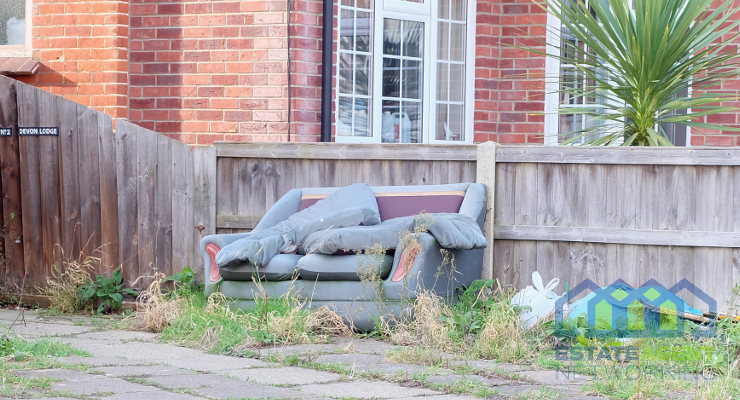
- 1 in 3 students goes without heating or running water in their property
- Almost 1 in 5 shares a home with slugs, rodents or bed bugs
- 1 in 10 waits more than a month for repairs (and some issues are never fixed)
- Half of all students struggle to pay rent – yet 1 in 5 parents gives £5,200 a year to plug the gaps
- EXTRA: student case studies, plus regional statistics available on request
Rip-off student accommodation leaves tenants battling horrific conditions, unaffordable rents and poor mental health, the National Student Accommodation Survey 2019 has found.
The research, by advice site Save the Student, surveyed 2,196 students in January. Their responses highlight a UK-wide scandal of overpriced and unsafe student housing, with 90% reporting a problem with their accommodation .
While fellow residents are a top cause of complaints, the vast majority are maintenance issues that leave students without basic services or living in unsafe conditions – despite paying average rents of £125 per week (£541 per month).
Portsmouth student Adele describes having to live in shocking conditions:
“On move-in day we found there was no door on the front of the property, then we had no heating for 2 months. We had a broken toilet, broken shower and rats/mice/fleas.
An open drain in the back garden would regularly overflow, just filling the garden with sewage.
Got to the point where we called in the local housing association – turns out we had no gas certificate, no fire door in the kitchen, and even the bannisters on the stairs were unsafe!”
Disputes like these aren’t confined to ‘dodgy’ or cut-price housing. In fact, almost as many students report problems with university accommodation and commercial halls of residence as in privately rented rooms and houses.
Kerry, a student in Bournemouth, comments:
“Halls were a terrible experience. Building work almost constantly, rats, and a very irritating flatmate who was loud and disgusting and inappropriate.”
Save the Student’s findings are particularly relevant as the Homes (Fitness for Human Habitation) Act – which comes into force on March 20th – gives students a way to take action against landlords who ignore their legal responsibilities.
The 10 biggest issues for student renters
- Noisy housemates (45%)
- Damp (35%)
- Housemates stealing food (33%)
- Lack of water/heating (32%)
- Disruptive building work (20%)
- Inappropriate landlord visits (16%)
- Rodents & pests (16%)
- Dangerous conditions (5%)
- Burglary (5%)
- Bed bugs (3%)
Asking for help with housing issues is no guarantee that anything will be done. Although half (45%) of students say problems are resolved within a week, 1 in 5 waits more than a month. A handful (4%) say their issues are never resolved.
Lily studies in Newcastle. She comments:
“Last year I had no hot water for the entire year. I had to boil the kettle and fill up the sink that way to wash my face.”
The true costs of student accommodation
The pressure to find decent homes is so high that 1 in 3 students begins looking for next year’s accommodation in or before November – that’s just weeks after the start of the academic year.
This is brutal on finances, as students pay an average of £970 in upfront housing costs: deposit (£311), admin fees (£119) and a month’s rent in advance (£541). The stress on students and parents is even greater because the average Maintenance Loan* – money the government awards for living costs – is just £541/month.
Housing charity Shelter calls accommodation affordable when costs are no more than 35% of income. However, the average student rent swallows 100% of the typical Maintenance Loan payment, leaving nothing to cover all other housing or living expenses.
As a consequence, half (50%) of all students struggle to pay rent, while two-thirds borrow from family, banks and other lenders to cope with housing costs.
Parents who earn enough are ‘expected’ to contribute towards uni living costs.
However, this latest research shows the burden on family finances. Parents contribute £44 per week on average (£2,288 per year) to help students pay rent – but 1 in 5 gives more than £100 per week (£5,200 per year).
Banks are the next most common source of borrowing, with 40% of students turning to overdrafts, loans or credit cards to find the extra cash.
Students are under immense pressure to make ends meet, yet many are rewarded with housing that’s just not fit for purpose. The consequences include stories of damp- and mould-related illness, plus distress caused by money worries.
Two-thirds of students (63%) say housing costs have affected their mental health, while 37% say they have affected their studies.
Mark in Sheffield is only part-way through his course. He says:
“I have suffered from severe depression and anxiety at university, and have undergone counselling and CBT because of it.
My parents help as much as they can but it is hard for me to afford my rent and living expenses on minimum student loan when my parents are putting two other children through university.
I had a part-time job but that plus studying was too much and made my mental health worse.”
Most troubling of all, the findings of the National Accommodation Survey show a clear link between money and wellbeing at university. The more rent prices exceed the financial support on offer, the more students suffer mental and financial stress.

Jake Butler, student money expert from Save the Student, says:
“Too many people – including students – seem to believe that poor living conditions are just a part of student life.
Our investigation confirms how students are being unfairly treated as if second-class citizens, expected to put up with dire conditions throughout their studies.It’s even more outrageous considering the sums of money being handed over to landlords. Rent swallows up the entire Maintenance Loan for many students, piling on added stress of having to make ends meet while living in squalor.
Whilst the laws around renting are constantly improving there needs to be a much easier way for students to report and resolve problems with their accommodation.”
Kelly-Anne Watson, Delivery Officer for student housing charity Unipol:
“It’s imperative for ourselves, universities, and students unions to be educating students on their rights and to give well informed advice on housing.
We must work collectively as a sector to improve standards and make sure that there are a range of varied rents for students to choose from, so there are not further barriers into education.
We’d encourage providers to voluntarily join one of three national codes: UUK, ANUK and Unipol. Within a code, it is unacceptable for landlords to ignore reported issues such as the 1/3 of students (from this survey) who report living with damp, or without hot water and heating.”
Shared by: David Pask-Hughes – david.savethestudent@gmail.com

You May Also Enjoy

35% of UK homes are in postcode areas where house prices are falling

Budget wishlist

Autumn Budget 2026: Property industry experts comment
5 Renovations That Can Transform a Property Before It Goes on the Market
Seven things to do if a tree damages your property
