Brexit, Trump and London Property in 2017
In 2016 we have seen 2 massive blows in the Western world to the perceived ‘establishment’ and self-declared ‘elite’, the full consequences of which will only become clear in the years to come, long after those crying about a second referendum and recounts have been forgotten. While David Cameron and CNN couldn’t see either of these things coming, the fact it took millionaire former City boy Farage and billionaire Trump to be the champions of the common people should suggest just how far out of touch the media, politicians and their lackeys are. For those of us who live in London, it would seem that now is the ideal time for the Prime Minister Theresa May to demonstrate a previously absent understanding of ordinary people’s lives. She should make some bold moves on behalf of those who work in London, against those who merely profit from owning property here.
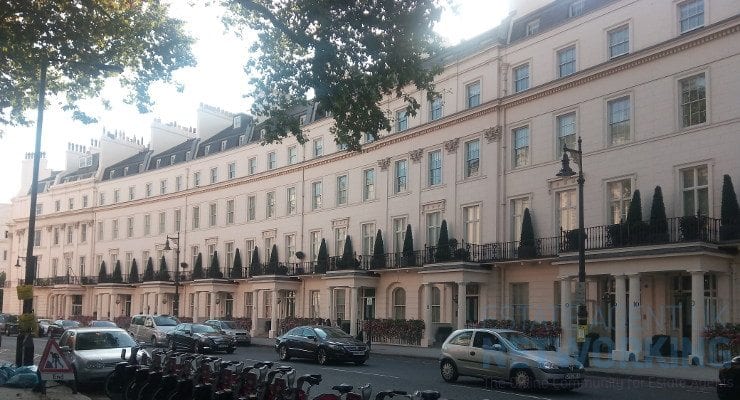
The terms ‘establishment’ and ‘elite’ have been used a great deal during this year, generally with contempt directed at the EU/ Clinton camps. While the term ‘elite’ should be reserved for prestigious organisations like the SAS or the England rugby team, rather than sycophantic journalists and back bench MPs, the term ‘establishment’ is harder to define. In the context of London, the effect of the out of touch ‘establishment’ is best represented by the unseen, overseas/ corporate landlords who own vast amounts of empty properties in London, after cashing in on the favourable conditions and policies of the Blair/ Brown/ Cameron era. These include the unlit, empty properties by the river in Vauxhall that commuters crammed onto trains from Waterloo go past on their uncomfortable commutes home to wherever they can afford to live with their families.
In the Autumn Statement, mini budget last week the Chancellor made some noises about money for housing etc. and plans to abolish tenants’ fees, but these are largely meaningless gestures when there are some fundamental measures that can immediately provide homes. Similarly the punitive increase in Stamp Duty Land Tax (SDLT) earlier in the year is meaningless as it only punishes private landlords, while doing nothing significant to increase the overall supply of homes available. To increase the supply of housing and recalibrate the housing market in London in favour of the people who work and pay tax here, the Government and City Hall need to implement the following at the earliest opportunity:
Set a punitively high council tax rate for vacant, overseas/ corporate owned properties to ensure there is no longer an incentive to own empty properties merely as an asset. Private landlords should be incentivised to keep their properties rented out as much as possible, but not punished if they’re vacant.
Abolish Capital Gains Tax (CGT) on privately owned second homes. This will allow people to cash in on the market as it is now, as objection to paying the 1/3rd of profit CGT is the stated reason why so many people keep hold of second properties they’d rather sell.
Set CGT at 50% on all overseas/ corporate owned property immediately, with this rising to 80% on properties worth over £600,000 in 2 years and then on all overseas/corporate owned properties in 5 years. This will provide more property to the market, but should avoid a short-term, market destroying tsunami of property.
With the current climate of populist, anti-establishment mood, now is the ideal time for the Prime Minister with the support of the Labour Mayor of London to show that they are in touch with the will of the people, they are not in the pockets of big business and the Davos club, and they are willing to go against the big property owners in the interests of ordinary people struggling to make ends meet. I hope this is the case.
Written by George Anderson

You May Also Enjoy

We’ve got the visitors. Now we need your listings.

Housing market hit by £18m increase in fall-through costs in Q2 2026

More than half of ‘Mumlords and Dadlords’ give rent back to help children buy their first home

The First-Time Buyer Reality Shock
£50k hit when climbing the property ladder