5 Ways to Succeed in the UK Property Industry after Brexit Talks

When the UK Voted to Leave!
It’s true. When the UK voted to leave the EU, there a collective gasp went around the world. Yes, we’d always known that the British public was somewhat disillusioned with its lot in the European Union. It always seemed to feel that it gave much more than it received. It was probably right too. But deep down, everyone thought they’d remain, having taught a lesson or two to the bureaucrats in Brussels. Who’d have thought they’d actually want to leave? But they voted themselves out. Once the shock had hit and acceptance had dawned, we were all told to calm down. Yes, they’d leave the European Union. That was for certain. But they would negotiate a deal, a partnership. So it was all going to be all right. A collective sigh of relief went around. But it’s been three long years. The divorce date has been postponed. But there’s still no deal on the horizon. Which leaves us wondering what will happen in the post-Brexit UK? Those politicians had better get their thinking caps on and get to it, fast. Time is marching on. A no-deal Brexit could have implications for the future that we’d rather not contemplate. Let’s consider what we need to succeed in the UK property industry post-Brexit.
Have Confidence in the UK Property Industry
According to Melanie Leech, the Chief Executive of the British Property Federation, the property industry generates £94 billion GBP per year for the UK. That’s not an insignificant amount as you can see. However, Ms Leech has been concerned about the possible effect of Brexit on the industry. She and her organisation have been studying the implications and bringing them to the attention of the legislators and the public. It’s certain that any deal regarding Brexit has to take on board the needs of the British property industry. With a housing crisis on our doorstep, this is not a time to ignore the needs of this influential sector. However, when the UK electorate voted for Brexit, it was feared that international investors would turn their backs on the country and choose European countries instead. Interestingly, this is not the case. According to Paresh Raja, CEO of Market Financial Solutions, a building loans specialist company, confidence in the UK property industry has, if anything, gone up. How can this be? Because in times of transition, people prefer to invest in secure assets which they consider to be solid and dependable. Property has those qualities. In fact, at times such as these, investors in the UK appear to prefer property over newer investment trends such as cryptocurrencies.
Ensure an Available Supply of Reliable Construction Workers
One of the advantages of EU membership was the free movement of workers throughout the Union. So if the UK property industry needed more construction workers from outside the country, it could be done with minimal trouble. However, with the UK shutting itself off from the EU, the free movement of foreign construction workers coming into the UK will be severely hampered. The British Property Federation’s CEO Melanie Leech is recommending that there shouldn’t be any difficulties for foreign construction workers coming into the country. If the industry requires the presence of foreign workers, they should be available. After all, if there are insufficient workers, there will be fewer projects. Fewer projects mean fewer jobs and less money. That’s something nobody wants to see. So construction workers must be allowed to enter the country if the property industry is to continue to thrive.
Ensure Easy Import of Necessary Construction Material
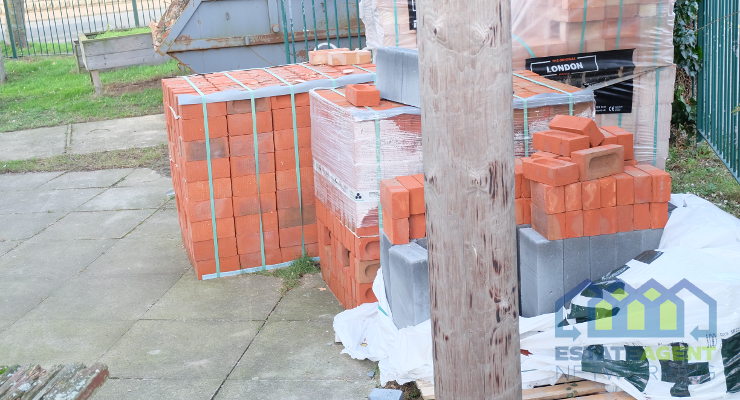
Another advantageous aspect of EU membership was the fact that importing necessary construction materials was hassle-free. The UK has always been proud to be able to produce so much of its own material. But it was always good to know that if foreign material was required, there was no need to panic. We could easily import the material with ease. It gave us the best of both worlds. We have companies like Ultra Decking UK. They are composite decking suppliers. Companies like this provide a range of composite decking material to suit every need. Now that we have a high cost for imported foreign materials, we need to be thankful for companies like Ultra Decking UK and any other UK-based composite decking suppliers. Companies which import and supply flooring materials for the UK property industries despite the cost of duty and other issues. With the UK opting out of EU membership, this has created another layer of bureaucracy for people in the building and property industry to tackle. It would be good to know that in spite of the advent of Brexit, the UK property industry could still import necessary material with minimum trouble and expense. This would support the UK property industry. Everyone in this country depends on this industry for the infrastructure as well as the prosperity of the country. Meanwhile, we can be glad that some UK companies produce material locally.
Ensure ‘Build to Rent’ Properties are Constructed
‘Build to Rent’ properties should be constructed. Today’s climate in the UK demands it. With a housing shortage in the UK, these are a safe investment. They are great for investors who wish to invest their money in a long term project with a good return on investment expected. This type of investment project is unlike ‘building to sell’, where the builder begins with some money and as homes are sold, more cash for the project materialises. In this case, all the investment capital is needed on the table at the outset. It takes some time for the returns to materialise, but in the long term, this type of project gives good returns.
Lobby for a Fair and Stable Tax System
One of the points mentioned in the British Property Federation’s 5 Point Manifesto on Brexit is that the government should provide stability in the tax system. This is absolutely correct. A fair and predictable tax system which can be managed by every individual and business is a must. This, more than anything else, is what will attract investment into the economy. It will stimulate the economy and encourage people to work and to invest in the economy. This is what is needed for the long term prosperity of the economy. Post-Brexit, it is important that the country is seen to be doing well and thriving. It will make our economy an example to the whole world, not just to Europe. A tax system which is unfair, burdensome and covered in red tape will demoralise and discourage the economy. We don’t need that at this point.
The Post-Brexit Scenario
Once the UK and the EU go their separate ways, there is no going back. The UK should walk alone proudly, secure in the knowledge that its future prosperity is assured. From the very first day, we should set out on the right foot and never look back. There’s a way to do this. There are experts with great advice to offer the UK government. We need to set up our economy to prosper and to attract investment. We can see the pitfalls ahead so now is the time to prepare. It remains to be seen whether the government will grasp the nettle and prepare the country on time. Let’s hope it does.

You May Also Enjoy
Alterations can change a property’s rebuild cost

HMO conversions hit investors for £82,000 on average

Selling a HAUNTED house?

Renters call for greater transparency in HMOs

Housing Insight Report: August 2026