London property enjoys best market crash recovery
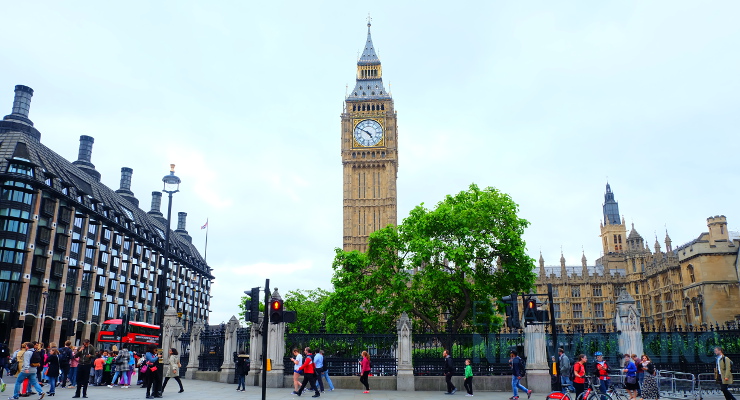
Prices in London have recovered the most from the global financial crisis, research from Benham and Reeves, the London lettings and estate agent, has revealed.
Despite the Brexit slowdown, typical prices in the City of London are 89% higher than the pre-crisis peak of August 2007, rising from £474,000 to £898,000 in September 2019.
Other areas where the cost of property has soared are Hackney (88%), Waltham Forest (83%) and Lewisham (83%).
Outside London
Taking London out the equation, prices in Cambridge increased the most between August 2007 and September 2019, by 66% from £275,000 to £456,000.
Other areas that bounced back include Slough (61%), Hertsmere (60%) and Welwyn Hatfield (59%).
While most of the highest performing areas are in South East of England, the Shetland Islands in Scotland are something of an exception, rising by (61%) from £105,000 to £169,000.
Northern Ireland still lagging behind.
It couldn’t be more contrasting in Northern Ireland, where the typical property price is 38% below its average in August 2007, falling from £224,670 to £139,951.
The recovery has also been more modest in Scotland (8%) and Wales (9%) compared to England (29%),
For the UK as a whole, prices have risen by 23% over the period.
Director of Benham and Reeves, Marc von Grundherr, commented:
“Despite the recent negative headlines about the London housing market, the capital has made the strongest recovery from the global financial crisis and continues to do so despite wider market uncertainty.
This recovery also seems to extend to other parts of the South East of England and while these more inflated areas may have seen a drop in the rate of price growth of late, they remain the most durable on a long-term basis.
Proof, if it was ever needed, that the UK property market is far tougher than many give it credit for and any momentary blip caused by the current landscape will leave no lasting damage.”
|
National Change – by % difference
|
|||
|
Location
|
Average House Price pre-financial crisis – August 2007
|
Average House Price now – latest September 2019
|
Difference % (2007-2019)
|
|
England
|
£194,328
|
£250,677
|
29%
|
|
Wales
|
£150,316
|
£164,433
|
9%
|
|
Scotland
|
£143,287
|
£155,029
|
8%
|
|
Northern Ireland
|
£224,670
|
£139,951
|
-38%
|
|
United Kingdom
|
£189,786
|
£234,370
|
23%
|
|
Highest in the UK – by % difference
|
|||
|
Location
|
Average House Price pre-financial crisis – August 2007
|
Average House Price now – latest September 2019
|
Difference % (2007-2019)
|
|
City of London
|
£473,887
|
£897,910
|
89%
|
|
Hackney
|
£301,585
|
£566,567
|
88%
|
|
Waltham Forest
|
£242,899
|
£444,319
|
83%
|
|
Lewisham
|
£232,734
|
£425,474
|
83%
|
|
Greenwich
|
£232,465
|
£401,940
|
73%
|
|
Haringey
|
£316,170
|
£546,294
|
73%
|
|
Southwark
|
£296,428
|
£508,698
|
72%
|
|
Merton
|
£309,048
|
£515,675
|
67%
|
|
City of Westminster
|
£538,993
|
£897,094
|
66%
|
|
Brent
|
£298,465
|
£494,761
|
66%
|
|
Cambridge
|
£275,348
|
£455,854
|
66%
|
|
Newham
|
£232,671
|
£381,220
|
64%
|
|
Lambeth
|
£315,086
|
£515,583
|
64%
|
|
Barking and Dagenham
|
£187,337
|
£305,229
|
63%
|
|
Camden
|
£490,494
|
£793,557
|
62%
|
|
Highest in the UK Outside of London – by % difference
|
|||
|
Location
|
Average House Price pre-financial crisis – August 2007
|
Average House Price now – latest September 2019
|
Difference % (2007-2019)
|
|
Cambridge
|
£275,348
|
£455,854
|
66%
|
|
Shetland Islands
|
£104,899
|
£169,070
|
61%
|
|
Slough
|
£197,280
|
£317,124
|
61%
|
|
Hertsmere
|
£292,821
|
£467,782
|
60%
|
|
Welwyn Hatfield
|
£250,119
|
£398,578
|
59%
|
|
Brentwood
|
£276,378
|
£431,976
|
56%
|
|
Harlow
|
£178,587
|
£277,535
|
55%
|
|
St Albans
|
£332,293
|
£515,342
|
55%
|
|
East Cambridgeshire
|
£195,143
|
£302,113
|
55%
|
|
Dacorum
|
£265,278
|
£410,657
|
55%
|
|
Basildon
|
£201,022
|
£310,824
|
55%
|
|
Stevenage
|
£183,339
|
£282,184
|
54%
|
|
Rochford
|
£231,670
|
£355,440
|
53%
|
|
Elmbridge
|
£392,756
|
£601,918
|
53%
|
|
Broxbourne
|
£229,706
|
£351,744
|
53%
|

You May Also Enjoy

Gap between house prices and earnings narrows

New Scheme Could Double Solo Buyer New-Build Options

Annual house price growth halves in September

Homesellers say valuation appointment is key
London’s rental market bucks the national trend