How Do You Replace Fascia Capping
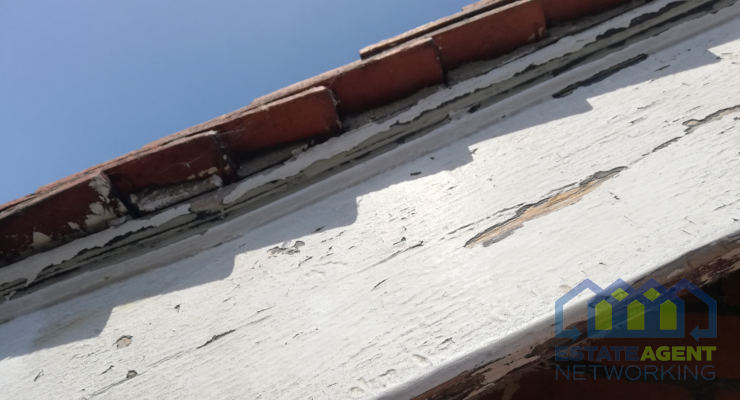
When the time comes to replace your fascia capping, you have two distinct choices. You can replace the fascia fully, or you can choose to cap over the old fascia. Both methods are useful, but the one you select will depend on a few factors.

Cost Differences between Full Replacement and Capping
It may seem obvious, but a full replacement will cost more than only capping the fascia. Fitting fascia capping costs about £50 per metre. A complete replacement will be about double that amount. The total cost for a replacement will be between £1200-£3000, depending on the size and style of your home.
Some roofers frown at capping over fascia because too many people overlook structural damage. If the fascia is still in decent condition, capping is an excellent option. However, if there is a lot of wood rot, it’s better to pay a roofer to replace the capping fully instead.
Replacing Fascia Capping
Before you begin, you need to remove the old boards. This step also requires removing the gutters. However, you should save them, just in case you decide to reinstall them at the end. Some homeowners, however, choose to replace their gutters at the same time.
Make sure the rafters are in good condition. Look for any signs of rot. The timber needs to be strong enough to support the new fascia capping. If you notice damage, you’ll need to cut out and replace that rafter. Take plenty of time to check for structural damage now. Sometimes it’s tricky to see, but if you overlook something, you may find yourself replacing the capping again soon.
Fit the new fascia in place, and ensure it’s flush with the roof. You don’t want any gaps or warping, as this will negate all of your hard work. Once you complete this task, you can add new caps over the boards to protect the fascia.
However, if you want to cap over the current fascia, the process is much simpler. A roofer will cut new capping to fit on top of the existing fascia. This method is ideal if there are no signs of infestation or wood rot.
The current trims must be used to ensure your capping fits on the house. Some homeowners cap their fascia, only to discover it’s too thick and obstructs the view. Poorly fitted fascia is to blame for this. Trying a DIY on this project only increases the likelihood of installing caps that don’t fit properly. And, ill-fitting fascia caps are more prone to moisture and wood rot over time.
Reasons to Hire a Roofer
Working with a roofer to replace fascia capping is usually the best plan. Roofers have the tools and training needed to finish the job professionally. They can also point you in the right direction. For example, if you want to cap over the fascia, they may be able to explain why a full replacement is better.
Of course, many roofers will always suggest a full replacement because it makes them more money. But, that may not be the best option for your home or budget. That’s why you should always consult with at least three different tradespeople to make sure you’re getting sound advice.
Replacing fascia capping can be done by yourself, but it requires a lot of confidence and skill. Working on a roof is also dangerous. One minor slip may send you to A&E for an unexpected visit. Besides, most roofers offer a guarantee on their work, so you won’t have to worry about anything going wrong after they leave.

You May Also Enjoy
Residential projects remain under pressure

Homebuyers hold tight ahead of Autumn Budget

House price growth accelerates in Q2

House prices hold steady despite impact of higher interest rates

Breaking Property News 5/10/26