


Thermal imaging explained, a new NHBC Foundation guide
In a typical existing British home, up to one third of the heat produced by the heating system can be lost through the roof, ceiling and walls*. When carried out properly a thermographic survey can help identify for gaps in insulation.
Today, the NHBC Foundation in collaboration with BSRIA has published a brand-new guide for this increasingly useful technology. It identifies what a good thermographic survey should include, gives examples of typical thermal imagery and highlights what makes a successful report.
New homes built to the latest building regulations will typically hold their heat more efficiently thanks to improvements in modern insulation and double glazing. But with higher expectation from today’s potential buyers – many are looking for ‘greener’ homes; now more than ever builders need to demonstrate the carbon footprint of their new properties.
Thermal imaging has been used for some time to give a non-invasive ‘window’ at various stages of construction. It can show the thermal performance of the external walls, roofs and internal services.
The ‘Thermal imaging report guide’, available free of charge from today, gives advice on good practice and highlights the most common issues that can affect the accuracy of a thermal imaging report if the survey isn’t interpreted correctly including:
.
• Use the correct equipment – a specialist thermal camera detects infrared radiation which is electromagnetic radiation (EMR) with longer wavelengths than those of visible light and therefore, generally invisible to the human eye. The correct settings of this specialist camera are crucial for an accurate survey.
• Use a qualified person – a thermographer – the interpretation of a report is key, it is recommended that the person carrying out a thermal imaging survey is suitably qualified, these experts are referred to as thermographers.
• Suitable weather conditions at the time of the survey are vital in achieving an accurate picture of the thermal performance and, ideally, there should be no significant changes in external temperature during the 24 hours before the survey, nor should it be raining or windy during the survey. Additionally, the survey should only be conducted when there is an adequate temperature difference between inside and outside of the property.
Richard Smith, Head of Standards, Innovation & Research at NHBC, said: “The information provided by a thermal imaging report can be extremely valuable in identifying heat ‘leaks’ if they exist, that may not have been easily detected. With that extra information builders and customer care personnel can reassure homebuyers that their new homes will indeed save energy and money. But it’s worth noting the importance of using a qualified person, with the correct equipment and in the right environment. Having these elements in place are beneficial to achieving accurate and useful results. For anyone involved in the construction of new homes, the NHBC Foundation’s latest guide will also highlight how an accurate thermal imaging survey can distinguish between good construction and a potential fault.”

You May Also Enjoy
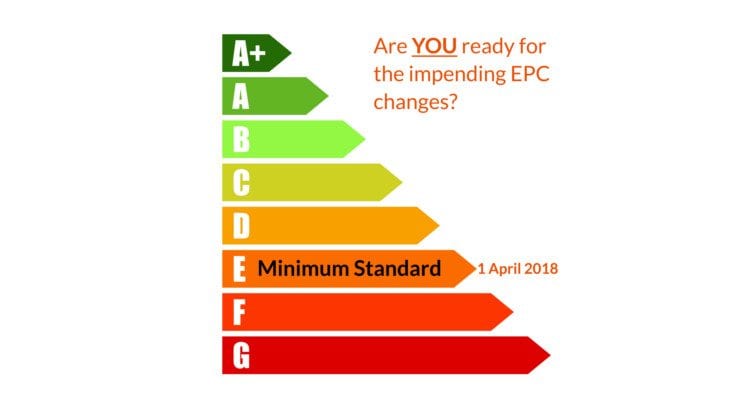
Landlords shouldn’t wait until the deadline to tackle EPC improvements

Christmas rental voids jumps by almost 40%

UK property transactions forecast to fall 4.4% in 2026

London renters paying £1,000 more a year in rent

UK Inflation Hits 3.6%: What Rising Prices Mean for House Prices