


Augmented, Virtual Reality will Emerge as the New Normal in Real Estate
Virtual reality and real estate are going to become much more closely linked in the coming years. With the advent of 5G, it is expected that there will be a rise of 3D models that bring virtual reality planning and viewings to the real estate and property sector.
VR has already proven to be a success in a wide variety of industries such as engineering and healthcare. This can be seen in Embodied Labs using virtual reality to simulate certain health conditions, while Jaguar Land Rover have used virtual reality in engineering since 2006.
Interestingly, pioneering companies such as Cityscape have already started using some of the 3D mesh modelling techniques from the gaming sector to create CGI solutions for the property industry. So how would augmented reality and virtual reality work for the real estate sector?
The need for virtual viewings
The current coronavirus pandemic has reaffirmed the need for the real estate sector to make full use of virtual reality technologies. A recently published report by RightMove suggested that agents will need to explore how virtual viewings could keep real estate activity ‘bubbling’ during the current period of stagnancy.
This follows on from a survey that was published by the National Association of Realtors that stated that 44% of clients search for properties on the internet first. By allowing clients to enjoy a virtual tour of a property, it could cut down on the time-consuming and expensive practice of an agent having to carry out a physical viewing of a property.
The current state of VR in real estate
While virtual reality viewings are still in a state of relative infancy, digital tools like the Matterport VR tours have already helped viewers understand the spatial dimensions of the property with a level of detail unimaginable from a two-dimensional floor plan or photograph.
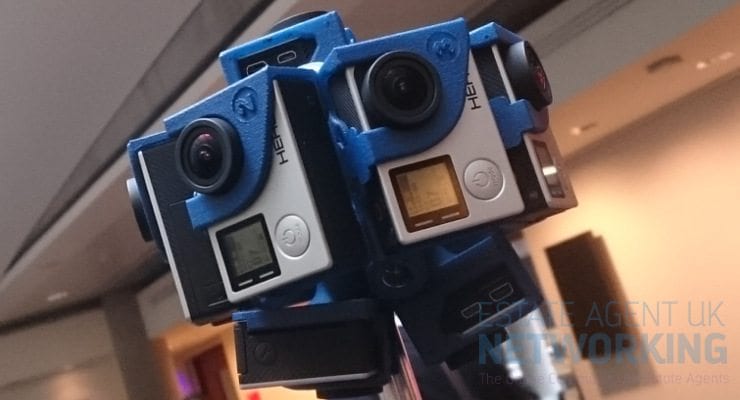
There are already guided virtual reality visits that come in the form of 360-degree videos. These can be inexpensively produced and can be created on a panoramic camera. The client would just need to use a simple VR headset to get an immersive idea of what the property was like.
However, there have been a growing number of interactive visits that give clients the option of navigating much more freely around a property. While these are more expensive to create, such interactive VR tours can prove to be a much more effective way to showcase a property.
In addition to this, brands like roOomy are offering virtual reality staging to estate agents. Such a move has proven to be helpful in transforming a bare property into a much more attractive ‘lived-in’ space with cosy and inviting virtual furniture. There could even be an option of using augmented reality so that a user could superimpose their own furniture while attending a viewing of a property.
What’s holding back VR in the real estate sector?
For all of the benefits of virtual reality, it is evident that the technology has yet to reach its full potential in regards to real estate. While the VR services sector is expected to grow with increased demand over the next few years, the technology is still something of a niche interest.
Much of this has been put down to the relatively expensive cost of having a VR headset, along with sometimes poor latency giving users negative feelings of motion sickness.
But as 5G is expected to enter the virtual reality market, it’s hoped that improved data flow can help VR and AR stimulate the real estate sector to move onto much bigger and better things.

You May Also Enjoy

Homebuyers pay 21.5% more to live near top primaries

One and done: first-time buyers increasingly choose ‘forever’ starter homes

Homeowners switching to interest-only mortgages

The seven mistakes knocking thousands off London sale prices

Landlords owed average of almost £9K in arrears