The Outlook For Commercial Spaces In London
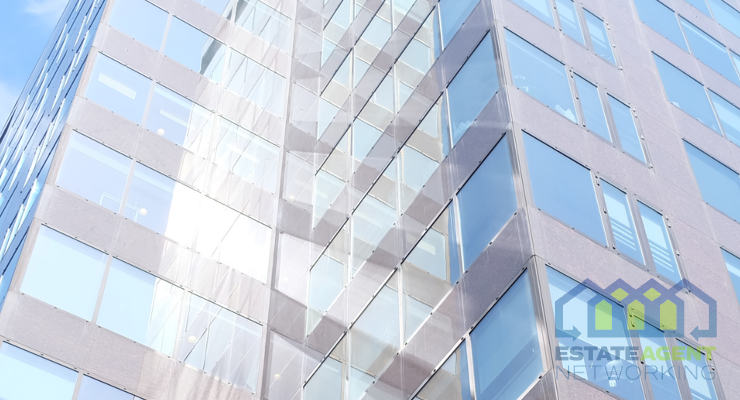
If the covid-19 pandemic taught companies one thing, it was that workers can be just as productive from home office environments rather than commuting to a centralised office space. Not only that, but employees reported better mental health when working from home, rather than handling a costly and stressful commute.
This had a catastrophic effect on retail and hospitality businesses that surrounded office workers. Demand for commercial spaces in London plummeted. A report found that a fifth of office space in London could be useless in a post-pandemic world. All the retail and commercial properties built up around busy office zones also saw a huge decrease in footfall, with some businesses closing their doors for good. As workers returned to the office, many did so on a flexible or hybrid working pattern meaning businesses like coffee shops, cafes, convenience stores, and retail shops still aren’t seeing the same level of demand prior to the pandemic.
In fact, compared to other European cities London is falling behind with the post-pandemic recovery. However, all is not lost. Offices are seeing an increase in workers again with some industries seeing a massive uptake in employees. These are companies in financial services, technology, and gaming. An increase in workers commuting to London also sees higher footfall on the streets and a higher demand for commercial spaces in London.
More Sustainable Spaces
A key element to the future of commercial spaces in London in a post-pandemic world is a shift in creating more sustainable environments and buildings. A scheme has been set up to turn many empty office buildings into residential homes, creating vibrant new communities in central London.
As people look into more sustainable options, they are urged to ‘shop local’ rather than relying on ordering items online and having it shipped halfway across the world. These new communities could see a rise in small commercial spaces developing within them as people look to purchase their food and clothing for local sustainable brands.
Some commercial spaces may be completely revamped into hotels, or smaller offices designed for start-ups or companies using flexible working patterns meaning they only require a few meeting rooms and desk areas for hot desking.
The clear pattern is heading towards sustainable, eco-friendly infrastructure with the mayor introducing guidance that new buildings in London must positively impact air quality, giving residents a healthier environment. Developers must also ensure projects must think about air quality throughout the entire construction process, ensuring there are design features in place to combat the carbon footprint. This could involve using recycled materials and renewable energy sources, ensuring not to use the most highly polluting fuels, and considering the impact on the environment at every step of the supply chain. Through innovative ideas and agile design,
Eco-friendly developments will soon spring up all across the city, breathing new life into dreary streets and creating green spaces.
Office Refurbishment Schemes
As old office buildings sit empty, there are plenty of plans to convert them into different things to meet rising demand in other areas. For example, a company may no longer wish to own ten floors in a skyscraper office building, and may wish to reduce down to two. But the empty space could be subject to a full office refurbishment, converted into many small office spaces for start-up companies, or even turned into a coworking space that smaller companies and freelancers can hire out to use as meeting rooms and hot desk opportunities.
These ideas involve stripping the space right back to a blank canvas and starting again. Some commercial spaces are no longer needed. With fewer workers walking the streets, we no longer need five coffee shops on one road, and three cafes. So there may be more opportunity for new retail shops to crop up.
Across the next few years London will see a lot of properties getting reconfigured and repurposed, as some office buildings can be converted to include shops and restaurants at the ground level, clearing up an empty floor. Other popular units could include gyms – the obsession with fitness has been growing exponentially after covid-19 through social media. These gyms require huge wide o-pen spaces with excellent sound insulation, and could be an excellent choice for developers who are looking to create a profitable commercial space..
The true impact of covid-19 on the commercial spaces in London is yet to be fully understood. But, any plan that involves creating something fresh for the city should be recognised. It can only be a good thing to create eco-friendly residential or commercial environments for residents to enjoy.

You May Also Enjoy

Breaking Property News 27/10/26
35% of UK homes are in postcode areas where house prices are falling

Budget wishlist
Autumn Budget 2026: Property industry experts comment
5 Renovations That Can Transform a Property Before It Goes on the Market