


Top Tps For Buying Your First Property
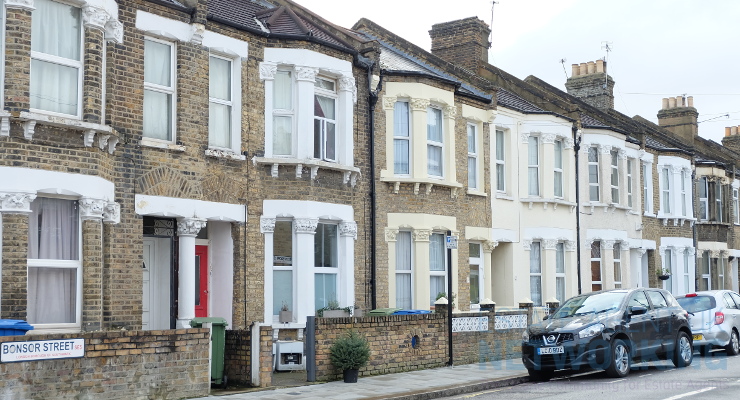
Buying your first property is an exciting milestone, but it can also be overwhelming. With the right knowledge and preparation, you can navigate the process smoothly and make informed decisions. Here are some top tips for first-time property buyers in the UK, designed to be simple and easy to understand.
Top Tps For Buying Your First Property
When making any investment, property included, having the necessary knowledge is essential so that you can get the most for your money.
1) Understand Your Budget
Before you start looking at properties, it’s essential to understand how much you can afford. This includes your savings for a deposit, ongoing mortgage payments, and additional costs such as stamp duty, legal fees, and moving expenses. Use online mortgage calculators to get an estimate of what you can borrow and what your monthly repayments might be.
2) Save for a Deposit
The size of your deposit will impact the type of mortgage you can get and the interest rate you’ll be offered. Generally, you need at least 5% of the property price as a deposit, but a larger deposit (e.g., 10% or 20%) can give you access to better mortgage deals. Start saving early and explore Help to Buy schemes or Lifetime ISAs, which offer bonuses for first-time buyers.
3) Check Your Credit Score
Your credit score plays a significant role in securing a mortgage. Lenders use it to assess your reliability in repaying the loan. Check your credit score with agencies like Experian, Equifax, or TransUnion. If your score is low, take steps to improve it, such as paying off debts, avoiding new credit applications, and correcting any errors on your credit report.
4) Get a Mortgage Agreement in Principle
A Mortgage Agreement in Principle (AIP) is a statement from a lender indicating how much they might lend you, based on your income and credit history. Having an AIP can show sellers that you are a serious buyer and can make the property buying process quicker once you find a home you like.
5) Research Different Areas
Location is one of the most critical factors when buying a property. Research various areas to understand property prices, local amenities, schools, transport links, and future development plans. Visit neighbourhoods at different times of the day to get a feel for the area.
6) Work with a Good Estate Agent
A reliable estate agent can make a significant difference in your property buying experience as they can provide valuable insights into the local property market, arrange viewings, and guide you through the negotiation process. On your hunt, make sure you choose an estate agent with good reviews and a solid reputation.
7) View Multiple Properties
Don’t settle for the first property you see. View multiple homes to compare prices, conditions, and features. Take your time to inspect each property thoroughly, noting any potential issues or necessary repairs. Don’t be afraid to ask questions about the property’s history, running costs, and any planned developments in the area.
8) Consider the Future
Think about your long-term plans when choosing a property. Consider factors such as potential family expansion, job changes, or the need for more space. It’s also wise to think about the property’s resale value and how easy it would be to sell in the future.
9) Hire a Solicitor or Conveyancer
A solicitor or conveyancer will handle the legal aspects of buying a property, such as transferring ownership, conducting searches, and ensuring there are no legal issues with the property. Choose someone experienced and with good reviews. They will keep you informed throughout the process and ensure everything is in order.
10) Get a Survey
A property survey can uncover potential issues that may not be apparent during a viewing. There are different levels of surveys, from basic HomeBuyer Reports to detailed Building Surveys. While surveys can be an additional expense, they can save you from costly repairs down the line.
11) Budget for Additional Costs
In addition to the deposit and mortgage, there are several other costs to consider when buying a property. These include stamp duty, legal fees, survey costs, removal expenses, and potential repairs or renovations. Make sure you budget for these expenses to avoid any financial surprises.
12) Negotiate the Price
Don’t be afraid to negotiate the property price. Use the knowledge you’ve gained from viewing multiple properties and researching the local market to make a reasonable offer. Your estate agent can help you with this process. Remember, the asking price is often just a starting point.
13) Stay Organised and Patient
The property buying process can be lengthy and sometimes stressful. Stay organised by keeping track of all documents, deadlines, and communications with your lender, estate agent, and solicitor. Patience is key, as delays can happen, but staying proactive and informed will help you manage the process better.
14) Protect Your Investment
Once you’ve purchased your property, consider getting home insurance to protect your investment. Buildings insurance is usually required by mortgage lenders, and contents insurance can protect your belongings. Additionally, setting up a maintenance fund for future
Buy You First Home With Confidence
Buying your first property is a significant achievement, and with careful planning and preparation, it can be a smooth and rewarding process. By understanding your budget, researching the market, and seeking professional advice, you can make informed decisions and find a home that meets your needs and aspirations. Happy house hunting!

You May Also Enjoy
Landlords shouldn’t wait until the deadline to tackle EPC improvements

Christmas rental voids jumps by almost 40%

UK property transactions forecast to fall 4.4% in 2026

London renters paying £1,000 more a year in rent

UK Inflation Hits 3.6%: What Rising Prices Mean for House Prices