UK Housebuilding Falters as Construction Hiring Flatlines
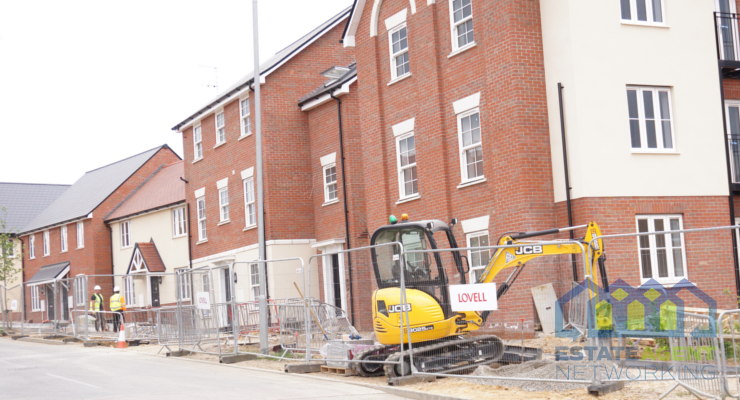
New research from Inventory Base reveals that UK construction industry employment has increased by almost 11% in the past five years, but there has been less than 1% growth in the past 12 months.
Inventory Base’s analysis of the UK construction industry shows that in 2024 (latest data available) it employed an estimated total of 380,200 employees. This marks the slightest increase of 0.7%, or 2,615 employees, since 2023, but a 10.6% increase since 2019.
This long-term increase has been largely driven by the construction of utility projects for electricity and telecommunications, a sub-sector that has seen employment numbers increase by more than 100% in the past five years, and 15.7% in the past 12 months alone.
The roofing activities sub-sector and construction of residential and non-residential buildings has seen employment grow by 25.7% and 22.2% respectively since 2019, suggesting that housebuilding activity has increased since pre-pandemic levels.
There are additional indicators that the housebuilding industry is yet to ramp up activity like the government would’ve hoped after a full year in power. Annual employment growth has been sluggish or even negative across relevant sub-sectors such as plumbing, heat and air conditioning installation (2.3%); electrical installation (1.4%); floor and wall covering (1.1%); plastering (1.1%); joinery installation (0.3%); development of building projects (0.1%); painting and glazing (0%); and other building completion and finishing (-6.9%).
But the government will be disappointed to see that in the past year alone, employment in the construction of residential and non-residential buildings has actually declined by -0.1%. If it is to stand any chance of honouring its ambitious targets (delivering 1.5millions homes over this Parliament – an annual requirement of 370,000 new homes – it will need to see a sharp uptick in construction employment numbers from here on out.
Sián Hemming-Metcalfe, Operations Director at Inventory Base, commented:
“The Chancellor has been promising bold action on housebuilding, but current employment data tells a more cautious and less optimistic story. Long-term growth exists, but in the past year the sector has stalled and even slipped in residential construction.
Meeting housing targets takes more than headlines; it demands investment in skilled labour and practical support. Without meaningful intervention, supply will keep falling behind demand, piling pressure not just on house building, but also on a rental market already strained by high demand and limited availability. More homes could start to ease that pressure, giving tenants more choice and tempering rents, but only if homes are accessible to renters and not just owner-occupiers.
With the Autumn Budget only months away, it’s the Prime Minister’s chance to prove that he and the Chancellor truly are ‘in lockstep’ and prepared to deliver.”

You May Also Enjoy

Gap between house prices and earnings narrows

New Scheme Could Double Solo Buyer New-Build Options

Annual house price growth halves in September

Homesellers say valuation appointment is key
London’s rental market bucks the national trend