This Summer’s Extreme Heat: What It Means for UK Gardens
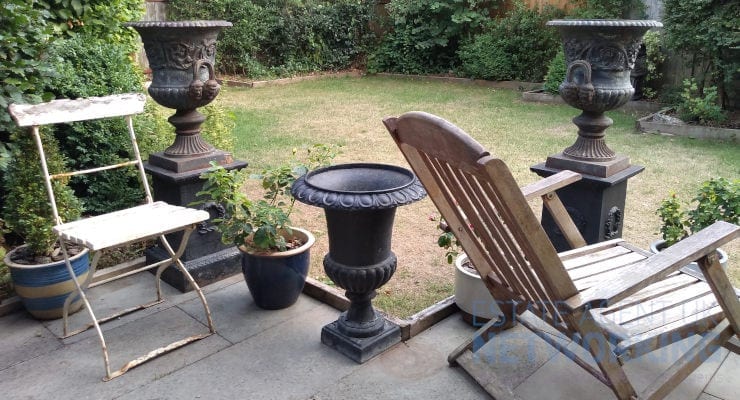
The UK has been enjoying plenty of warm sunshine during the early weeks of the 2025 summer season. In predictions made by the Met Office for the three-month outlook there is plenty more hot weather to come.
According to the government agency, the UK’s meteorological summer is twice as likely to be hotter than normal in 2025. This comes after the nation experienced the sunniest spring on record.
The sunny weather is often welcomed with open arms by many Brits. However, the Met Office’s predictions come soon after a poll, presented in AXA UK’s ‘Extreme weather risks: An analysis of England’s vulnerability to flooding and heat’ report, revealed that 52 per cent of respondents felt their properties were not equipped to deal with the impact of extreme heat, flooding and other forms of extreme weather.
Builder’s merchant and concrete paving slab provider Travis Perkins is on hand to advise professional gardeners and landscapers how they can assist property owners throughout the UK when they are experiencing extreme weather events:
Protect soil with mulch
Soil can become dehydrated when subjected to periods of intense sun, while there is the risk that heavy rain showers will wash away topsoil and nutrients from this part of a garden.
Whenever laying soil, make sure to apply a layer of mulch to safeguard the soil against both types of extreme weather conditions.
Carine Jessamine, Group Marketing and Digital Director at Travis Perkins, explains: “
Adding a mulch of organic matter, such as food waste, leaves, wood chippings and tree bark, can give the soil a chance to absorb more water.
“The result is that any water left over that isn’t naturally absorbed into the soil can simply pass through the ground naturally.”
During hot weather, mulch also works to better retain moisture in soil and keep it hydrated as the temperatures rise.
Set up windbreaks around a garden
Wind strengths can increase across the UK as we move through the summer months too, especially when the Atlantic hurricane season hits Central and North America – a period when British households often feel the tail-end of these storms.
Gardens can be protected from strong gusts with the help of a windbreak being installed around these outdoor spaces.
The likes of dense hedges and a sturdy metal or reinforced wooden fence creates a barrier around a garden, deflecting the wind and reducing how much speed a gust sweeps through a property’s exterior surroundings.
Seek out the professionals to prune & check trees
Trees will become susceptible to disease or damage as they age, causing them to lose a branch every now and then. However, branches can be lost earlier than anticipated during very windy conditions.
Avoid heavy branches causing damage when trees are planted next to a property by having them checked on an annual basis.
A tree surgeon should be sought for this regular inspection, as they will have the expertise to spot signs of disease and damage. They will also know when to prune a tree to a necessary level so that it maintains both a safe surrounding environment and keep the tree healthy too.
Professionals have the tools and equipment to reach and inspect larger trees safely at height as well.
Make sure gardens have adequate drainage
Drainage should never be an afterthought when it comes to a property’s outdoor space. Travis Perkins’ Carine Jessamine points out:
“Continual flooding can be damaging to certain plants and can make the garden unusable for some time after heavy rain, reducing it to a boggy environment.
“In some cases, it can even affect the walls of a property if the water doesn’t drain away quickly, creating damaging damp patches on brickwork.”
Avoid water from being able to sit in a garden long after a heavy rain shower by installing permeable surfaces around a property’s exterior surroundings, such as the use of raised beds and gravel paths.
Make sure there is necessary runoff setup around a property’s outdoor space too, which slopes away from buildings and the garden towards drains or ponds.
Install water butts
On the topic of drainage, setting up a water butt in a garden will allow property owners to harvest rainwater.
This structure is especially useful when there are periods of heavy rainfall, as it reduces how much water needs to be absorbed by a lawn.
Professional gardeners should look to connect a water butt directly to a property’s guttering, so that as much water as possible can be collected into the storage unit.
Don’t forget to inspect a property’s roof
Storms can cause a lot of damage to the roof of a property as well. So, for peace of mind, it is a wise idea for property owners to ask a professional roofer to perform the following tasks from time to time:
· Carry out a full roof inspection of a property, replacing any tiles which have come loose or are missing.
· Clean and repair gutters and drains around a property, so that there is less risk of rainwater entering a building and causing damage during a storm.
· Install snow guards around a glazed conservatory roof and a flat felt roof, if a property has these features, to avoid tiles causing damage if they fall from a higher roof.
By following this advice, homeowners should find that their properties will be better set up to deal with any heatwaves which are just around the corner, as well as many other examples of extreme weather that could work their way into forecasts.

You May Also Enjoy

Gap between house prices and earnings narrows

New Scheme Could Double Solo Buyer New-Build Options

Annual house price growth halves in September

Homesellers say valuation appointment is key
London’s rental market bucks the national trend