Mould and damp – what you need to know ahead of winter
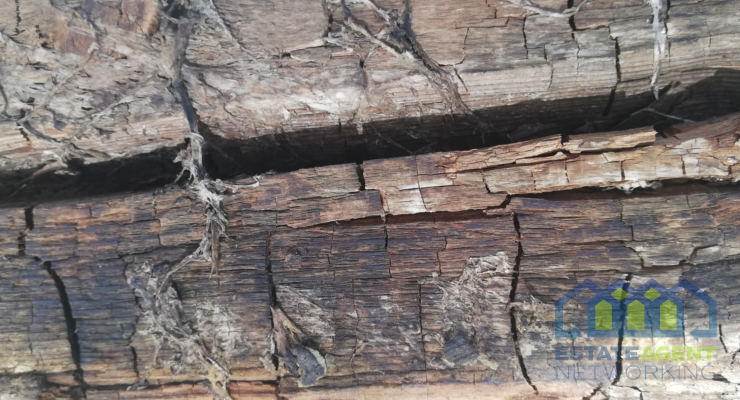
With the winter months just round the corner, problems with damp and mould can become far more prominent. Autumntime is when many people turn on central heating systems and choose to close windows, preventing fresh air ventilation needed to allow damp air to leave a property.
Unfortunately, the combination of warm and damp air can promote the growth of mould, which can prove extremely detrimental to people’s health.
In the case of two-year-old Awaab Ishak (who died from a severe respiratory infection triggered by prolonged exposure to damp and mould in his home in December 2020), his death brought this issue to the attention of politicians who ultimately updated the law to help ensure that social rented homes are safe from damp and mould for tenants.
Such problems can spread extremely quickly within a property and can be challenging to get rid of, so it is important take mould seriously and know the signs.
What are the different types of damp?
Make sure to watch out for the following types of damp in your property:
Rising damp: This occurs when moisture is drawn upwards from the ground through the masonry. Typically, properties have preventative measures built in to avoid this from happening. However, this aspect of a building degrades over time and requires maintenance when it fails.
Penetrating damp: This can be caused by, for example, a leaking external pipe or blocked gutters where water penetrates the fabric of a building from outside to inside. These are typically small and localised problems that can be easily fixed.
Construction damp: Problems in how a property was designed and built can trigger this type of damp. Such issues should be remedied as soon as possible to prevent long term damage to the fabric of the building.
Condensation damp: Because of a lack of insulation, ventilation, heating, or a combination of these three factors, this type of damp occurs when a property cannot deal with regular levels of water vapour. It is important to ensure that you have suitable and constant ventilation across such areas to help prevent any spread of damp and mould.
The effects damp and mould can have on your health and what to do about it
The airways and the lungs breathe in the substances produced by damp and mould and thereby increase the possibility of health issues.
If left untreated, the worse the health impacts and risks will likely be, especially if your home has a serious damp and mould problem.
Damp within the home can produce allergens, irritants, and mould spores, while excessive moisture can encourage the growth of microorganisms like mould and other fungi, certain types of house dust mites, bacteria, or viruses.
Although damp and mould can cause disease and ill health for anyone, those with underlying health conditions are even more at risk.
Therefore, it is essential to speak with a healthcare professional immediately if you are suffering from any symptoms related to damp and mould.
If you live in a rented property, it is important that such issues are addressed at the very first opportunity via your letting agent or via your landlord (depending on if you deal with your landlord directly). It is important to work together to ensure that such issues are both quickly addressed and prevented for the future.
What responsibilities do tenants have?
It is important to ensure there is adequate ventilation to all areas of a property and that you use appropriate cleaning products at regular intervals to prevent mould from spreading.
It is also important not to dry wet clothes indoors without allowing a regular flow of fresh air.
Other aspects which can contribute to the growth of mould include keeping the heating on continuously and allowing furniture and other bulky items to prevent fresh airflow.
If you rent your property what responsibilities do landlords and agents have?
Landlords and agents should make sure properties are fit for purpose and are regularly inspected. They should also ensure appropriate insulation is in place, inform tenants as to how they should use the heating system, repair leaks promptly, and ensure vents and fans are working properly.
What symptoms should you be looking for?
Persistent coughing, wheeziness, and shortage of breath are some of the most common respiratory effects of damp and mould, alongside the development or worsening of allergic airway ailments like asthma and bronchitis.
Despite this, they can both cause physical effects not linked to the airways such as irritation of the eye resulting in allergic conjunctivitis, eczema, and other fungal infections.
What type of house conditions causes damp and mould?
Depending on the age, condition, and building materials used, every property can face damp and mould issues. But the conditions most likely to trigger them include properties where residents feel incapable of opening a window for a variety of reasons like security, insulation, costly heating systems, substandard ventilation, inadequate damp proof courses, poor maintenance, and overcrowding.
Michaela Anaka, ARLA Propertymark executive for South London, shared her experience of mould growth in a three-bedroom property.
It was discovered the tenant and their family were sleeping in one of the bedrooms with numerous belongings contained in black plastic bags stacked against walls and ceilings. The other bedrooms were also full of black plastic bags of clothes.
In addition, there was a vented tumble dryer installed incorrectly, with the vent hose releasing moist air directly into the hallway to provide heat. The tenant believed this was an alternative way of heating the property.
Indoor moisture was increased by laundry being routinely dried on radiators when the tumble dryer was not in use and the heating was on and there was no sufficient ventilation due to windows being rarely opened. Severe mould grew across ceilings and walls due to an environment of constant condensation.
The tenant avoided scheduled property inspections that also crucially act as a safety and welfare check for people living at the address. The environment resulted in severe black mould growth across the ceiling, damp staining, and conditions so dangerous to health that tradesmen had to wear masks when visiting the property.
The property was fully treated and redecorated, with the total cost of redecoration of that property with the specialist treatment and Glixtone anti-mould paint coming to £3,500. Over a year later, the property remains mould free.
Anaka has some useful advice for those who have had experiences of damp and mould or for those who are currently experiencing it.
Anaka added:
“Mould can escalate without adequate heating, ventilation, incorrect use of appliances, building issues and maintenance issues which is why prevention remains the most effective answer. Frequent inspections and access are vital, paying special attention to the exterior of the property especially ensuring gutters and downpipes are checked and cleaned annually. Furthermore, it is important to bear in mind excess belongings stored in a room along with overcrowding, worsens condensation, and early intervention prevents a high cost later for many tenants, particularly in terms of their health, as they can be exposed to asthma, allergic reactions, and other respiratory conditions. As winter approaches, please ensure that the conditions in your property do not allow damp and mould to flourish.”

You May Also Enjoy

Gap between house prices and earnings narrows

New Scheme Could Double Solo Buyer New-Build Options

Annual house price growth halves in September

Homesellers say valuation appointment is key
London’s rental market bucks the national trend