


Construction performance decline persists
Work starting on-site declined 8% during the three months to October, remaining 10% below 2024 levels.
Residential construction starts declined 7% during the Index period, falling 9% against last year.
Non-residential project starts finished 10% down on a year ago, standing 11% lower than the preceding three months.
Civils work starting on-site increased 2% against the preceding three months, but declined 10% against the previous year.
Today, Glenigan | Powered by Hubexo, one of the construction industry’s leading insight experts, releases the November 2025 edition of its Construction Index.
The Index reviews the three months to the end of October 2025, focusing on underlying projects with a total value of £100 million or less (unless otherwise stated). All figures are seasonally adjusted.
It’s a report which provides a detailed and comprehensive analysis of year-on-year construction data, giving built environment professionals a unique insight into sector performance over the last 12 months.
The November Index reports that construction activity continues to decline, with projects starting on site falling 8% in the three months to the end of October to finish 10% down on 2024 figures.
However, whilst remaining frustratingly subdued, it appears that the downward trajectory has somewhat softened, offering potential hope for revival as the industry collectively grits its teeth ahead of the Chancellor’s Budget later this month.
This slight relief in underlying performance has been supported by significant bursts in activity across specific verticals, particularly commercial offices, which post exceptional growth in Q.3, with momentum carrying over into Q.4.
Civils also experienced a modest uptick during the Index period, despite remaining 10% down compared to last year.
Elsewhere, residential activity remained stubbornly stagnant, unable to claw back the declines in starts since May. The Bank of England’s decision to cut interest rates in August will be welcomed by builders and buyers alike as developers look to the Government for clearer guidance on the Building Safety Act (and the BSR to take urgent action) to free up the current project logjam at Gateway 2.
Commenting on the results, Allan Wilen, Glenigan’s Economic Director, says, “After the declines seen in recent months, the October Index reveals that starts remain subdued. Private housing starts drifted lower as apartment developments face delays in gaining BSR approval. Health, Education, and Community & Amenity project starts were especially weak, before increased capital funding provision from next April. Offices were a welcome bright spot, lifted by new build and refurbishment projects.”
Taking a closer look at sector verticals…
Sector Analysis – Residential
Residential construction struggled to regain the significant strides made during the spring and summer. Once again, it experienced a period of decline, but one which was less pronounced compared to the sharp downturns in Q.3, with performance falling 7% on the preceding three months and 9% against 2024 figures.
Drilling down, private housing construction starts, which had fallen sharply in the past couple of Indexes, only dipped 5% against the preceding three months and by 10% against the previous year. Social Housing decline also started to level out, dropping 13% against the preceding three months to stand 7% lower than the previous year.
Sector Analysis – Non-Residential
Overall performance in non-residential verticals was particularly unimpressive. Once more, office construction bucked the general downward trend, rising 16% compared to the preceding three months to remain an impressive 91% higher than last year. This sustained growth can partly be attributed to the commencement of the £37.45 million Wells House office development in Bromley, London, alongside several other projects.
The only other vertical to experience growth was Civils, with work starting on site increasing 2% against the preceding three months but declining 10% against the previous year. This small rise can largely be attributed to a sudden spurt in infrastructure projects, where work starting on-site increased 9% against the preceding three months and increased by 1% on the previous year. Utility starts declined 7% against the preceding three months to stand 20% down against the previous year.
Every other non-residential vertical experienced a significant decline. Hotel & Leisure fell 27% against the preceding three months and the previous year, whilst Health experienced a particularly poor period, declining 17% against the preceding three months to stand 28% lower than the previous year.
Similarly, Retail Activity tumbled (-16%) against the preceding three months to stand 14% down against the previous year. Education tanked, falling 23% against the preceding three months and declining 38% against the previous year. Community & Amenity project starts fared no better, declining 35% against the preceding three months and declining 26% against the previous year.
Regional Outlook
Performance across the regions was generally poor. However, the North East stood out because, despite posting a 12% decline against the preceding three months, it finished 60% up against the previous year.
Elsewhere, activity remained depressed. The West Midlands experienced an especially poor period, declining 19% against the preceding three months and declining 7% against the previous year. London also declined 10% against the preceding three months to stand 2% down against the previous year.
The South East performed poorly, declining 4% against the preceding three months to stand 19% down against the previous year. The South West declined 11% against the preceding three months to stand 18% down against the previous year. The North West, for its part, declined 5% against the preceding three months to stand 2% down against the previous year.

You May Also Enjoy

Leasing demand rises across all sectors

Don’t Put The Property Market On Pause

Before You Sign: 10 Things Home Movers Wish They Knew

Property expert warns homeowners to lock in amid mortgage rates uncertainty
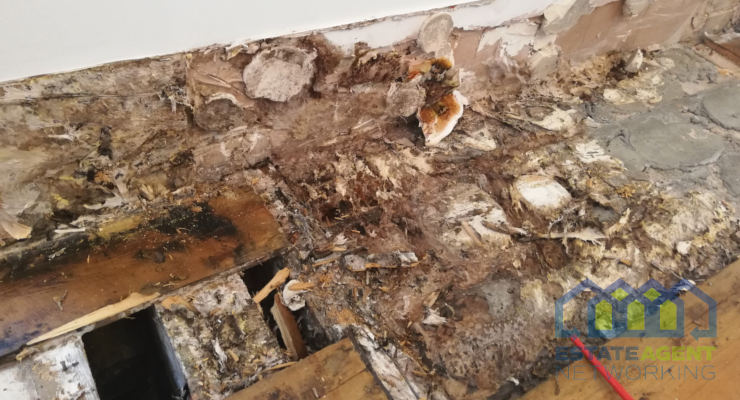
Damp and mould online searches rise by 34%