London boasts most slow-to-sell properties
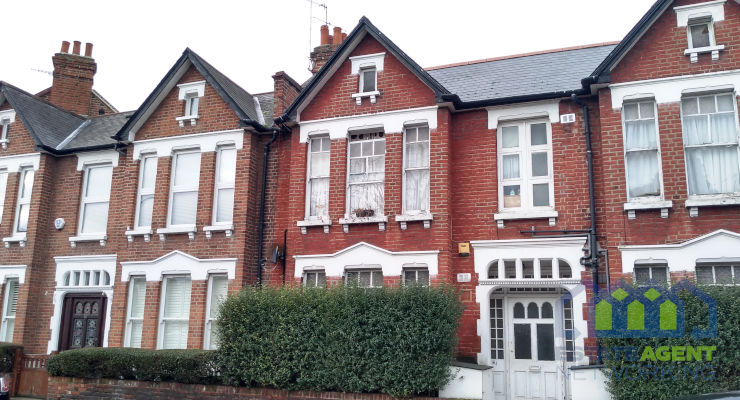
The latest research from Yopa has found that while the housing market has shown signs of turning a corner since the Autumn Budget, sellers across the more inflated regions, in particular, are still struggling with slower market conditions, with almost one in five homes classed as slow-to-sell found in London.
Yopa analysed current market listings data, looking at properties that have been listed for sale for 12 months or more and which region was home to the highest proportion of these stagnating for sale listings.
While the market remained relatively resilient throughout 2025, a significant number of sellers struggled to generate buyer interest for a prolonged period, as higher borrowing costs continued to weigh on demand, while many buyers also chose to sit on the fence in anticipation of the Autumn Statement and the possibility of a stamp duty cut.
With Autumn Budget uncertainty now lifted and the Bank of England cutting interest rates in December, a renewed sense of optimism has enveloped the property market, however, many sellers may still find it difficult when looking to secure a buyer at speed.
The analysis from Yopa shows that these slower market conditions are most pronounced in the country’s higher priced regions and nowhere more so than in London, with the capital accounting for 17% of all slow-to-sell homes.
The South East follows closely, accounting for 15% of total market stock that has been on the market for over a year, with the South West and North West also seeing a notable share of slow-to-sell homes – each accounting for 13% of the overall total.
At the other end of the spectrum, the North East recorded the lowest proportion of slow-to-sell homes, at just 4%. The West Midlands, East Midlands, and Yorkshire and the Humber have also proven more resilient, each accounting for 9% of slow-to-sell listings.
CEO of Yopa, Verona Frankish, commented:
“2025 was a more measured year for the housing market and for many sellers, particularly in higher priced regions, securing a buyer proved more challenging than they may have anticipated.
That said, the outlook for 2026 is already far more encouraging and we’re already seeing renewed momentum build as buyer confidence improves and lending conditions continue to ease.
Of course, a pragmatic approach is still required on the side of sellers, particularly those in more inflated regions such as London and the South East and a realistic approach when setting their asking price is the first step in securing a buyer in 2026.

You May Also Enjoy

Gap between house prices and earnings narrows

New Scheme Could Double Solo Buyer New-Build Options

Annual house price growth halves in September
Homesellers say valuation appointment is key
London’s rental market bucks the national trend