City house prices soar
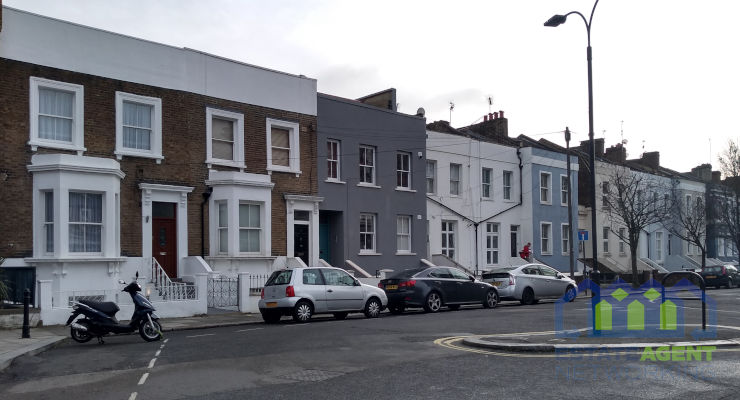
The latest research from Property DriveBuy reveals that house prices in UK cities are significantly outperforming both coastal and countryside locations, rising by an average of 3.4% over the past year, well ahead of the wider UK market which has seen growth of 2.5%. And while countryside homes have also seen a price increase, the nation’s massively popular seaside hotspots have been stunned by price drops of up to -6.9%.
The research by Property DriveBuy analysed the latest UK House Price Index data for November 2025*, comparing average annual house price growth across 20 major UK cities, 20 popular coastal towns, and 20 countryside locations to determine which has delivered the best returns for homeowners over the past year.
The research shows that the average UK house price has increased by 2.5% over the past year to reach £271,188, but the nation’s major cities have seen the strongest rate of growth of the three lifestyle offerings analysed by Yopa.
Strong city house price growth
The average rate of annual growth across the 20 major cities analysed stands at 3.4% to create an average house price of £225,377, demonstrating a clear demand for urban living. This growth has been driven by particularly strong performance in Liverpool, where prices have grown by 8.5%, followed by Sunderland (7.4%) and Bradford (6.1%).
Strong growth has also been seen in Glasgow (5.8%), Edinburgh (5.7%), Newcastle (5.6%), and Manchester (5.3%), all of which saw price rises of more than 5% year on year.
Only two cities saw prices drop over the past year, with London’s average falling by -1.2%, and Birmingham’s falling by -0.6%
Steady performance from countryside markets
While UK cities have delivered the strongest average price growth, the nation’s countryside and market town locations remain in high demand. Across 20 countryside locations, average house prices are up 2.3% on the year, increasing from £266,726 to £272,879.
The strongest countryside performance was seen in Alnwick and Morpeth, both of which have seen prices rise by 8.3%, followed by Bangor (7.7%) and Nantwich (6.7%), Chagford (5%) and Dumfries (4.5%).
Five countryside locations recorded annual price drops, with Tetbury seeing the largest decline at -8.4%, followed by Lewes at -2.5%.
Coastal prices declining
While coastal housing markets typically benefit from strong buyer demand, performance over the past year has been more subdued. Across 20 seaside locations, the average house price fell by 1.0%, declining from £276,615 to £273,921.
The biggest drops have been seen in Aberystwyth (-6.9%), Tenby (-5.2%), and Hastings (-4.5%), but not all seaside markets have seen prices fall.
Over the past year, prices in Porthmadog have grown by 3.4%, followed by Tynemouth (2.5%), Southend (1.9%), Whitby (1.4%), and Crosby (1.2%).
Whether you’re searching for a new home in the city, coast, or country, Property Drivebuy’s new national geolocational property app allows buyers to peek inside listed properties as they walk or drive by and connect directly with the agent for a viewing, even if a for sale board has not yet gone up.
Steve Foreman, Founder and CEO of Property DriveBuy, commented:
“City markets continue to benefit from a strong imbalance between supply and demand, with buyer appetite remaining high while the number of homes coming to market remains relatively constrained. Cities tend to offer greater employment opportunities, transport links and long-term rental demand, all of which help to support constant steady price growth even during more uncertain market conditions.
We always expect countryside locations to maintain a steady performance. Demand is reliable while supply – certainly in the most rural spots – remains limited, so prices are easy to protect.
The same can usually be said for our coastal markets. But seaside prices appear to have cooled following several years of exceptional demand starting with the pandemic in 2020. However, these price drops do appear to be more of a correction than a long-term shift. As buyer confidence improves and mortgage rates continue to stabilise, we expect demand for seaside homes to stabilise, paving the way for a return to price growth in many coastal locations.”

You May Also Enjoy

Residential projects remain under pressure

Homebuyers hold tight ahead of Autumn Budget

House price growth accelerates in Q2

House prices hold steady despite impact of higher interest rates

Breaking Property News 5/10/26