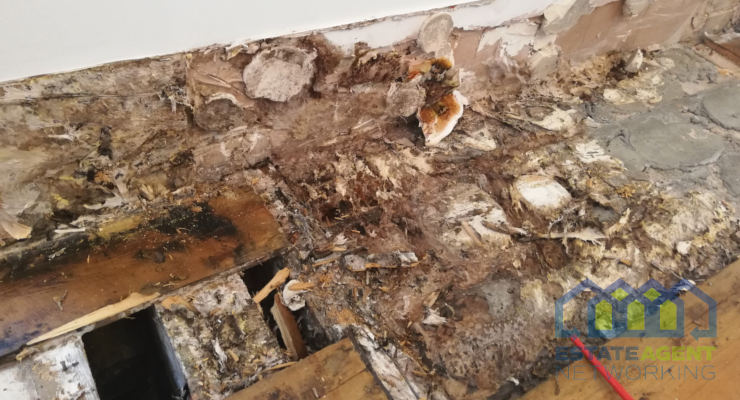
Unmodernised property opportunities dwindle

Jonathan Samuels, CEO of Octane Capital, believes that the shrinking supply of unmodernised property stock is making specialist refurbishment finance more important than ever, as investors increasingly need to move quickly in order to secure the remaining opportunities available.
Octane Capital analysed current listings of unmodernised properties across England and compared current stock levels to the same period last year, in order to reveal how the volume of value-add opportunities has changed over the last year.
The research shows that the number of unmodernised properties currently available across England has fallen by -17.1% over the last year, dropping from 36,175 to just 29,981.
Every region of England has seen a reduction in available stock over the last year, highlighting just how quickly these value-add opportunities are being absorbed by the market. The sharpest decline has been seen in the West Midlands, where the number of unmodernised homes available has fallen by -24.9%. The North West has seen a reduction of -24.1%, whilst Yorkshire and the Humber has seen stock levels fall by -21.6%.
Despite the reduction in stock, some regions continue to offer greater levels of opportunity than others. The South West remains home to the largest proportion of unmodernised homes currently available, accounting for 17.2% of all stock across England, followed by the South East at 16.6% and the East of England at 14.3%.
However, with supply shrinking across the board, it means that investors are increasingly likely to face greater competition for the remaining opportunities that do come to market. Unmodernised and derelict homes continue to provide one of the strongest routes to adding value, allowing investors to purchase below market value, carry out refurbishment works, and either refinance or sell at a profit.
At the same time, many of these properties require significant work in order to bring them back up to a habitable or lettable standard. Outdated kitchens and bathrooms, poor decorative condition, structural issues, or low EPC ratings can often make them unsuitable for a mainstream mortgage lender.
As a result, specialist bridging and refurbishment finance is becoming increasingly important, allowing investors to secure poor-condition properties quickly and fund the works required, helping them move faster than competing buyers in what is becoming an increasingly competitive segment of the market.
This is particularly important where opportunities arise via auction purchases, derelict stock, or properties requiring more extensive structural work, as these homes are often considered unmortgageable by mainstream lenders and the speed and flexibility offered by specialist finance can prove crucial in helping investors secure and maximise the remaining opportunities available.
Jonathan Samuels, CEO of Octane Capital, commented:
“Whilst the number of unmodernised properties coming to market has reduced, the appetite from investors certainly hasn’t and, with fewer opportunities available, competition for the remaining stock is only likely to intensify.
These homes continue to offer significant value-add potential, whether through refurbishment, extension, conversion, or simply bringing them back up to modern standards.
However, many are not suitable for mainstream mortgage finance in their current condition, which means investors need access to specialist funding in order to act quickly.
Bridging and refurbishment finance play an increasingly important role here, allowing investors to secure opportunities as soon as they arise and fund the works required to unlock their full value.”

You May Also Enjoy

Seven things to do if a tree damages your property

Leasing demand rises across all sectors

Don’t Put The Property Market On Pause

Before You Sign: 10 Things Home Movers Wish They Knew

Property expert warns homeowners to lock in amid mortgage rates uncertainty