Landlords and tenants advised to work together to get through extreme heatwaves
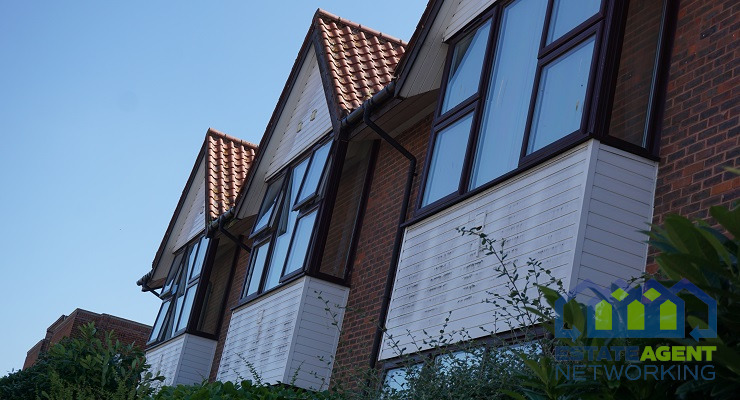
With some areas set to be hotter than Portugal this week, lettings and estate agents across the UK are issuing advice to protect properties ahead of extreme weather
Prolonged periods of hot weather across the UK are placing additional pressure on homes, from overheating and poor ventilation to damage caused by extreme temperatures. Today, lettings and estate agencies across the UK have issued guidance to help both landlords and tenants keep properties comfortable, well maintained and energy efficient throughout what could soon be seen as the hottest summer on record.
While many people welcome warmer weather, excessive heat can create challenges for rental properties, particularly in flats, newer homes with high levels of insulation, and properties exposed to direct sunlight throughout the day.
Agencies across the UK are encouraging both landlords and tenants to be proactive in managing their homes during periods of extreme heat.
ADVICE FOR LANDLORDS
- Stay in regular contact with tenants
Open communication is particularly important during periods of extreme weather. Encourage tenants to report any concerns as soon as they arise, whether that relates to ventilation issues, faulty fans, air conditioning units or signs of heat-related property damage.
Prompt action can help prevent small problems escalating into larger maintenance issues.
- Check ventilation and airflow systems
Ensuring extractor fans, trickle vents and opening windows are functioning correctly can help improve airflow and reduce indoor temperatures.
Good ventilation not only helps occupants stay comfortable during warmer weather but can also reduce condensation and improve overall indoor air quality.
- Inspect cooling and ventilation equipment
Where properties have fixed air conditioning systems, mechanical ventilation units or extractor systems, landlords should ensure they are properly maintained and operating efficiently.
Summer heat can place additional strain on equipment and regular servicing can help minimise the risk of breakdowns when tenants need them most.
- Consider heat-reducing improvements
Simple upgrades such as thermal curtains, reflective blinds, solar-control window films or external shading can help reduce solar gain and improve comfort levels during hot weather.
These measures can also contribute towards greater energy efficiency and enhance a property’s appeal to prospective tenants.
- Review outdoor areas
Hot weather can quickly affect gardens, patios and communal outdoor spaces.
Landlords should make sure any contracted gardeners are aware of weather conditions and should consider drought-tolerant planting, water-efficient maintenance practices and regular checks for heat-related wear and tear.
ADVICE FOR TENANTS
- Keep sunlight out during the hottest part of the day
Closing blinds, curtains and shutters during peak sunlight hours can significantly reduce indoor temperatures and prevent rooms from overheating.
- Create ventilation where possible
Open windows during cooler periods, such as early mornings and evenings, and create cross-ventilation by opening windows on opposite sides of the property where safe to do so.
- Use electrical appliances strategically
Appliances such as ovens, tumble dryers, washing machines and dishwashers can generate additional heat.
Where possible, use them during cooler parts of the day to help keep indoor temperatures manageable.
- Use fans safely and efficiently
Positioning fans near open windows or creating cross-breezes can help improve air circulation and bring temperatures down.
Tenants should always follow manufacturer guidance and avoid leaving electrical equipment running unattended.
- Monitor the property for heat-related issues
Extreme temperatures can sometimes lead to warped flooring, cracking walls, sticking doors or windows and other signs of stress within a building.
Any concerns should be reported promptly to landlords or managing agents to prevent minor issues becoming larger ones.
Elliott Trodd, Managing Director at Charters Estate Agents, said:
“While a lot of people enjoy the warmer weather, it can bring a number of challenges for both landlords and tenants. Properties that are exposed to direct sunlight or have limited ventilation can become uncomfortable very quickly, and high temperatures can also place additional strain on fixtures, fittings and ventilation systems.
“Taking simple preventative measures now, such as improving airflow, checking equipment is working correctly and keeping an open dialogue between landlords and tenants, can help avoid larger issues later in the summer. Being proactive is the best way to protect both the property and the wellbeing of those living in it.”
Matthew Smith, Managing Director at Thornley Groves & Julian Wadden Estate Agents, said:
“Hot weather can have a surprisingly significant impact on rental properties, particularly in apartments and modern homes that retain heat. We would encourage landlords and tenants to work together to keep homes cool, safe and well-maintained during periods of extreme temperatures.
“As summers continue to bring more frequent periods of extreme weather, taking a long-term approach to property maintenance and preparedness will become increasingly important.”
Esmee Jones, Managing Director of Lettings at KFH said:
“Periods of extreme heat can affect both the comfort of residents and the condition of a property, so it’s important that landlords and tenants take a proactive approach during warmer weather.
“If landlords or tenants have any questions or concerns, their lettings agent or property manager will be on hand to provide advice and support, helping to ensure homes remain safe, comfortable and well maintained throughout the summer months.”

You May Also Enjoy
Residential projects remain under pressure

Homebuyers hold tight ahead of Autumn Budget

House price growth accelerates in Q2

House prices hold steady despite impact of higher interest rates

Breaking Property News 5/10/26