What to know when buying land
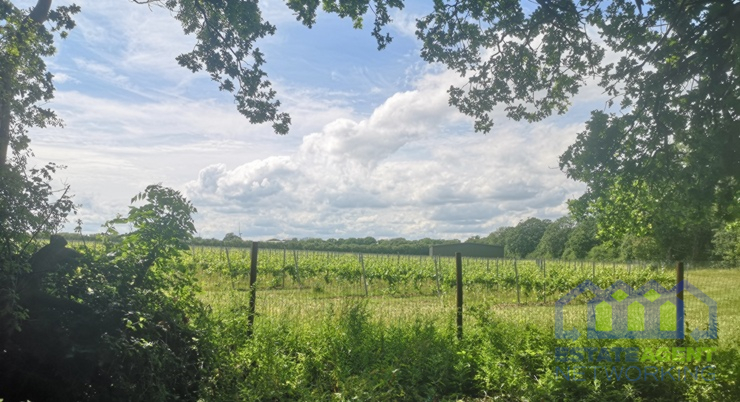
The closure of UK Land & Farms (UKLAF) has left a significant gap in the UK’s specialist land market with buyers and sellers now forced to adapt after 18 years of relying on UKLAF as the cornerstone of the industry. As interest in land continues to grow, the company says the closure also serves as a timely reminder that buying land requires a very different approach to buying residential property.
LandSale analysed its own live marketplace data alongside the key considerations involved in purchasing land across Great Britain. The platform currently lists thousands of land opportunities spanning everything from self-build plots and farmland to woodland and development sites, highlighting both the diversity of the market and the need for buyers to understand exactly what they’re purchasing before committing.
How to buy land
Unlike residential property, purchasing land is often only the beginning of the process. While buying a plot can be relatively straightforward, factors such as planning restrictions, legal access, utilities and permitted land use frequently determine whether a site is suitable for a buyer’s intended purpose. Ownership alone does not automatically grant the right to build or develop.
The first question any buyer should ask is why they are purchasing land. Whether the objective is investment, a self-build project, equestrian use, farming, woodland ownership or future development, each requires a different type of land, different planning considerations and a different level of due diligence.
Legal issues and planning permission
Planning permission remains one of the most important considerations, particularly for buyers attracted by lower-priced agricultural land.
A plot’s current designation will heavily influence what can be done with it, while obtaining planning consent or changing a site’s permitted use can be a lengthy process.
Equally important is confirming legal access, with buyers needing to establish whether a plot benefits from highway access, rights of way or easements before proceeding.
Utilities can present another unexpected challenge. Many rural plots have no electricity, water, drainage, gas or broadband connections, with installation costs varying considerably depending on location. Buyers should also budget beyond the purchase price itself, factoring in legal fees, surveys, searches, Land Registry costs, planning consultants and specialist reports where required.
Cheap land isn’t always good land
LandSale also warns buyers against assuming that inexpensive land automatically represents good value. Lower asking prices can often reflect issues including flood risk, restrictive covenants, contamination, Green Belt designation, Tree Preservation Orders, public rights of way or previous planning constraints, making careful investigation essential before purchase.
Land is a hugely diverse market
The breadth of today’s land market also demonstrates why specialist search platforms remain important. LandSale’s live marketplace currently features 1,842 building plots, making them the most common category listed, followed by 1,059 undeveloped land opportunities and 947 vacant land listings. Self-build plots also feature prominently with 634 listings, while grazing land, farmland, agricultural land, pasture, woodland and arable land continue to account for a substantial proportion of the market.
Adam Morris, Founder of LandSale, commented:
“The closure of UK Land & Farms marks the end of one of the UK’s best-known specialist land marketplaces and inevitably leaves buyers and sellers asking where they go next. While general property portals play an important role, buying land involves a completely different set of considerations to buying a house, and that’s why specialist marketplaces remain so valuable.
The biggest mistake buyers make is assuming land works like residential property. It doesn’t. Before thinking about the asking price, buyers need to understand planning restrictions, legal access, utilities and exactly what they’re hoping to achieve with the land. Those questions ultimately determine whether a purchase represents an opportunity or an expensive lesson.
Land itself is becoming increasingly accessible to a wider range of buyers, whether they’re looking for a self-build plot, woodland, grazing land or a long-term investment. That makes access to detailed, land-specific information more important than ever. Our role is to help buyers compare opportunities with confidence, while giving sellers a specialist marketplace where their land reaches an audience actively looking for that type of property.”

You May Also Enjoy

Bank of England’s rate hold
54,000 properties hit market during back to school rush

69% of homebuyers would compromise on their property
The UK towns boasting +80% house price growth amid nationwide drop

London remains destination of choice for international property wealth