Landlords shouldn’t wait until the deadline to tackle EPC improvements
Lettings specialists reveal why landlords shouldn’t wait until the deadline to tackle EPC improvements
The lettings experts at Beresfords Group advise landlords on key actions they should take to prepare for the government’s confirmed policy to introduce updated EPC requirements by October 2030.
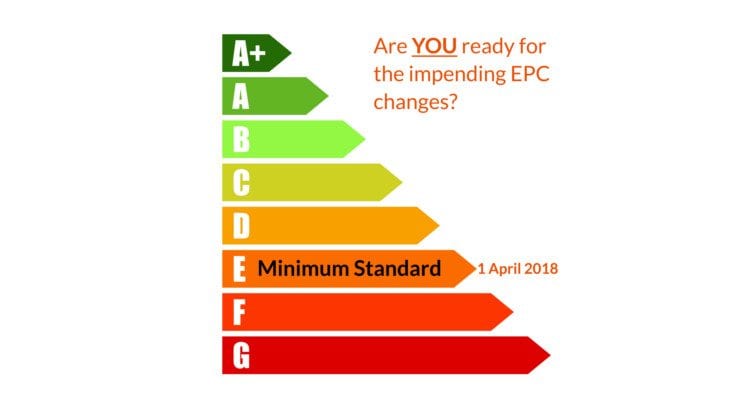
Under the confirmed government policy, landlords will be required to ensure that both new and existing tenancies meet an EPC rating of C or above by 1 October 2030, unless an exemption applies. The requirements include a maximum required investment of £10,000 per property, with exemptions available for properties where the cap is reached.
The proposed legislation includes a maximum penalty of £30,000 per property for non-compliance, subject to the legislation being finalised and implemented.
Following the confirmation of the October deadline earlier this year, Beresfords has compiled advice and tips to help landlords navigate this transition.
Steven Bond, Managing Director of Residential Lettings at Beresfords Group, said: “Despite being good news for sustainability, the planned changes to EPC requirements will likely be a considerable challenge for landlords, especially those with large portfolios, and those who have older houses as these are likely to be less energy efficient. We estimate that approximately half of all landlords will be affected by these changes.
“2030 may sound like the distant future and it might be tempting for a landlord to bide their time, but I would strongly recommend examining portfolios now rather than waiting until closer to the deadline. Not only is it wise to understand the full extent of the cost as early as possible, but it’s also a good idea to educate yourself on exemptions as early as possible.
“Another consideration is that original checkpoints for energy assessments are slowly disappearing, meaning that EPC ratings may be significantly worse than landlords expected. Our team of experts have extensive industry experience and are suitably qualified to help landlords identify properties that need attention so that they can plan ahead.”
Analyse the current situation
Landlords should initially analyse their full property portfolio, taking into account the current EPC rating of all existing properties. A letting specialist can assist in compiling this data. Landlords should also identify properties that have already achieved an EPC rating of C or above under the existing assessment system. Properties achieving this rating before 1 October 2029 will be recognised as compliant until the EPC expires or is replaced.
Check eligibility for exemptions and grants
Keep a record of all financial investments when it comes to upgrading the efficiency of the property. Qualifying energy efficiency improvements undertaken since October 2025 can count towards the £10,000 investment cap. Not all expenditure will qualify, so landlords should retain records of improvements and check whether the work meets the relevant eligibility criteria. The cap represents the maximum required investment per property, rather than a mandatory amount that every landlord must spend.
There are additional third-party exemptions available for landlords with tenants that refuse to allow certain energy upgrades. Additionally, proprietors should contact their local council to establish whether there are any grants they are entitled to.
Initially concentrate on ‘fabric first’
Landlords should first concentrate on improving the thermal efficiency of the property before moving to additional works such as installing solar panels and heat pumps. By investing in energy efficient solutions such as loft insulation, window glazing and draught-proofing, proprietors will make significant steps towards reaching the EPC C rating while preparing for further details on the Home Energy Model, which are expected to be released in the second half of 2027, a roll out date is yet to be confirmed.
Plan works around tenancy periods
Consider the timing of any improvement works and where possible plan them around quieter periods when a property is vacant. This can help minimise disruption for tenants and make it easier to carry out more substantial improvements. Planning works in advance also gives landlords greater flexibility to compare quotes, source contractors and schedule work at a convenient time for everyone.
Don’t leave improvements until the deadline
Landlords should avoid waiting until 2030 to begin making improvements, particularly if they have several properties that may require work. Spreading the cost of upgrades over a number of years can make the financial impact more manageable, while starting early gives proprietors time to assess which measures are most appropriate for each property. It also reduces the risk of facing a rush for qualified assessors and tradespeople as the deadline approaches.

You May Also Enjoy
Landlords shouldn’t wait until the deadline to tackle EPC improvements

Christmas rental voids jumps by almost 40%

UK property transactions forecast to fall 4.4% in 2026

London renters paying £1,000 more a year in rent

UK Inflation Hits 3.6%: What Rising Prices Mean for House Prices