


Real estate outlook 2027

Viability, investment and the road ahead
By Tom Brown, Managing Director, Real Estate at Ingenious
As we move into 2027, the UK real estate market faces continued economic uncertainty, political volatility and affordability challenges. While the latest Budget offered few measures likely to transform the sector, increased taxation on private landlords and the emerging detail of the ‘Your First Home’ scheme highlight the competing pressures shaping the market.
Development viability remains the defining challenge, but changing workplace patterns, demand for institutional rental housing and greater regional decision-making offer opportunities for investors and lenders. Five key dynamics will shape the year ahead.
- Budget implications: landlords under pressure, first-time buyers face hurdles
The Budget’s further 2% increase in taxation on private landlords, relative to individual tax bands, could accelerate smaller investors’ withdrawal from the rental market, reducing supply and increasing pressure on tenants. Institutional providers and purpose-built accommodation, including Build-to-Rent, are therefore likely to play a growing role in meeting housing demand.
The ‘Your First Home’ scheme is welcome, but its price caps of £500,000 in outer London and £650,000 in inner London may be difficult to reconcile with construction costs. Unless thresholds reflect the commercial realities of delivering new homes, the scheme risks limiting supply. Regular reviews will be essential to ensure it achieves its intended impact.
- Development viability: housing delivery needs more than targets
Viability will remain the central challenge for UK construction in 2027. Materials, labour and supply-chain costs, alongside Building Safety Act requirements and associated levies, are making projects increasingly difficult to deliver commercially.
The issue is not a shortage of willing investors, but whether schemes can be made viable. Housing targets alone, which should arguably be banned, will not deliver the homes we need without practical support, clear plans and collaboration between government, local authorities and developers. Priorities must include identifying local needs, unlocking investment and addressing the barriers preventing viable projects from progressing.
- Economic and political uncertainty: a cautious outlook for house prices
Inflation, interest rates and geopolitical uncertainty are likely to keep house prices under pressure. With further base-rate increases anticipated towards the end of 2026 and into 2027, stretched mortgage affordability could prevent prices from keeping pace with inflation. Recovery towards the end of 2027 is possible if inflation moderates, borrowing costs fall and economic conditions stabilise, but a materially stronger year than 2026 cannot be assumed.
Political uncertainty adds to the challenge. Policy changes, late-year Budgets and growing uncertainty over the UK’s relationship with Europe have encouraged businesses and investors to delay decisions. Greater policy stability and a more durable relationship with our European partners would help rebuild confidence and support investment.
The Budget’s decision to leave business property relief materially unchanged is also welcome, preserving an important source of estate-planning capital for relevant property projects.
- Sectoral opportunities: flexible offices and institutionally funded living
Despite residential market challenges, opportunities remain in selected sectors. Central London offices are attracting renewed interest as occupiers seek sustainable, well-located workplaces and flexible arrangements. Older buildings that no longer meet modern requirements could offer repositioning opportunities through serviced offices and flexible workspace, creating a potentially attractive niche for lenders.
Residential investment requires greater selectivity. London flats remain challenging amid affordability constraints, while sensibly priced single-family homes in the £400,000–£600,000 range may prove more resilient when well connected to transport, schools and infrastructure.
Co-living and Build-to-Rent also offer potential. As private landlords exit and homeownership becomes less accessible, demand for good-quality rental housing should support professionally managed, long-term rental models.
- Regional investment: empowering local decision-making
Calls for greater financial and decision-making powers for mayors and local authorities are challenging the UK’s centralised approach to investment . Equipping local leaders to support regeneration and address viability could unlock projects that might otherwise stall. Early grant-making initiatives are encouraging, although their impact remains to be assessed.
Local authorities understand their communities’ housing needs, infrastructure constraints and economic opportunities, but require appropriate funding and accountability to be effective. Investment must also look beyond London and the South East to recognise opportunities across the UK.
Conclusion
The UK real estate market is unlikely to experience a straight-line recovery in 2027. Viability, affordability and political uncertainty will continue to weigh on activity, while higher taxation may accelerate the shift towards institutional rental provision. Nevertheless, opportunities remain in flexible offices, single-family housing, Build-to-Rent, co-living and regional regeneration.
For investors and lenders, deal selection will be essential: prioritising viable projects and durable demand shaped by changing lifestyles and working patterns. At Ingenious, these market dynamics continue to inform our approach to real estate, with a particular focus on sectors where we see long-term demand and on supporting more sustainable approaches to development.
With significant challenges ahead, disciplined investment, policy stability and practical, delivery-focused solutions will be critical to unlocking the sector’s potential.

You May Also Enjoy

Britain’s Hottest Property Markets Revealed
Real estate outlook 2027

The government requires £3.1bn annually in land alone

Buying Beats Renting
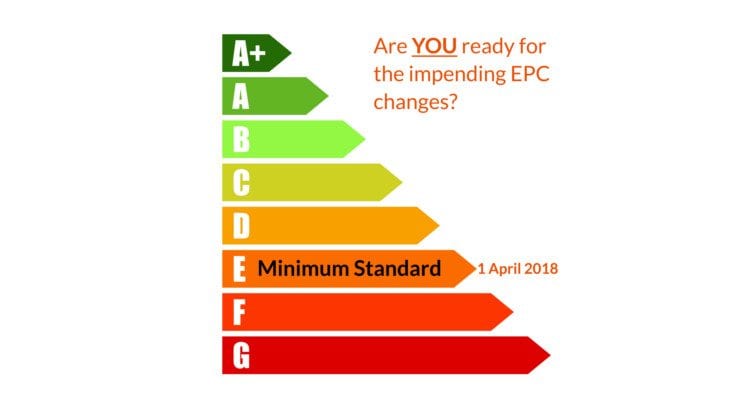
Landlords shouldn’t wait until the deadline to tackle EPC improvements