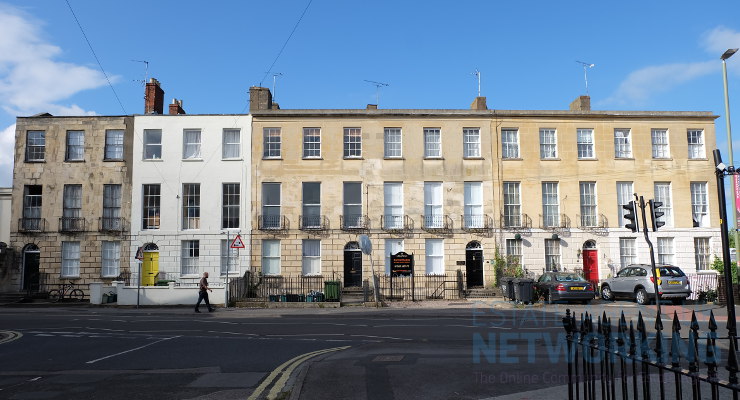


A Guide To Interior Design For Buy To Lets

Buying up properties, fixing them up and then renting them out can be a great moneymaker and an enjoyable process when you plan and execute it well. If you are a first timer to buying to let though it can be tricky as there are many pitfalls, which can turn your investment into a nightmare rather than a winner. If you are considering remodelling a property with a view to renting it out then this is the guide for you.
Budget
It’s vital that you plan your remodelling and set a realistic budget for it to ensure you make a profit in the long run. It’s a fine balance when it comes to budgeting for your interiors and any necessary renovations. On the one hand you will want any changes you make to remain in fashion and good condition for as long as possible so you don’t have to remodel again in the near future. This will naturally cost you a little more money in the present but could save you some in the future. Then there is the temptation to skim a little in the interiors to keep your budget as low as possible however this could impact on the appeal of the property for potential lodgers which could negatively impact on the amount of rent you can charge.
This is a tricky situation for landlords but my advice would be to make your interiors as high in quality as possible as this will save you money and hassle in the long run and allow you to rent out the property quicker and for a higher amount. You can then aim to save money in other ways to compensate.
Do It Yourself
So now that you are going with long lasting quality interior let’s look at some areas where you can save some money. The main area where you can make some of your budget back is to do as much of the labour involved in the remodel yourself. If you are naturally gifted at DIY or specialise in a trade then you are at an instant advantage and you can save yourself money on not having to outsource much of the remodeling work. If however, you don’t have much skill or experience with this sort of thing there are still ways for you to do it yourself. Painting, for example is something that you can learn to do yourself and as long as you protect everything and clear the room you can’t go too far wrong. You can also learn how to put up shelves and mirrors, lay wooden floors or carpets and leave the more complicated stuff like plumbing or electrics to the professionals.
A good tip to remember is to forget about fiddly things such as wallpaper for rental properties, it can be hard to put up if you don’t know what you’re doing and easily damaged which means that it will have to be replaced pretty regularly so stick to paint in every room. You will probably find that you can do most of the interior work yourself and it will cost you more in time than money, which is fine when you have a budget to stick to.
Focus On The Rooms That Sell
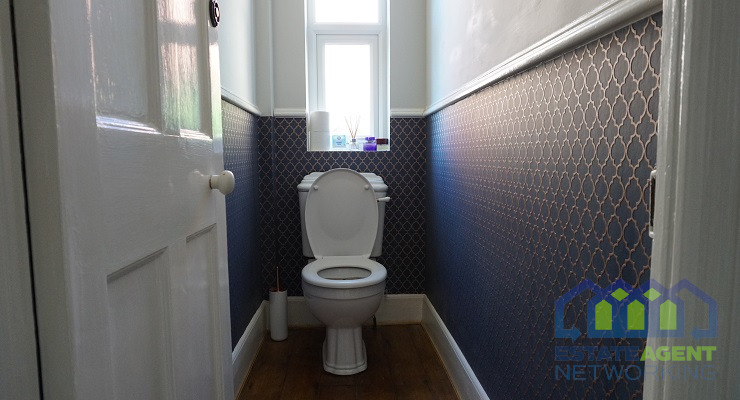
You’ve probably heard the old adage that kitchens and bathrooms sell houses and it remains true within the rental market as well. These rooms are often the one’s that will stick in the mind of a potential client so it’s worth investing a little extra effort and budget into these rooms. When it comes to the bedrooms people are looking more at their size than anything else so you can get away with basic flooring, a wardrobe and a coat of paint for them leaving you with more time to spend on sprucing up your kitchen and bathroom. Focus on the key fixtures such as taps, the shower, modern tiling and there is a lot to be said for going the extra mile when it comes to kitchen appliances. When it comes to these rooms it’s the little things that will catch the eye and make all the difference to a potential tenant.

You May Also Enjoy

Richmond upon Thames crowned 2026’s happiest place to live
What the sector must do differently to engage with young people

Persistent decline to give way to recovery in 2027
The Plumbing and Electrical Problems That Quietly Kill Sales and Lettings
Rental price and average salary tracker – October 2026