An investment in council housing is an investment in Britain
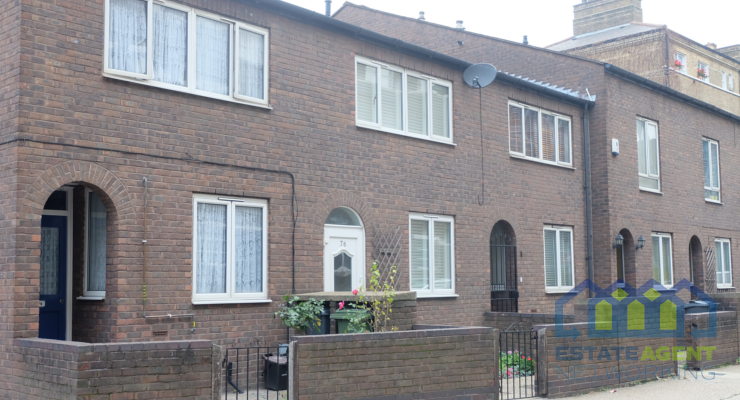
The Addison Act, which paved the way for council house building on a large scale, marks its 100-year anniversary
As the oldest construction trade association in the United Kingdom, the National Federation of Builders (NFB) still has members who helped the 1919 minister for housing, Christopher Addison, deliver his ambitious council housing programme, as well as the 5.5 million council homes that have subsequently been built in the last century.
However, in the last forty years, successive governments have not only fallen out of love with council housing but forgotten how vital council houses are in building the communities of tomorrow.
This was clearly illustrated by Margaret Thatcher’s Right to Buy (RTB) policy, which allowed tenants to buy their council home at a discount. The decision had a profound social impact by dramatically increasing the rate of owner-occupancy but ultimately worsened the housing crisis because it didn’t allow councils to keep sales receipts and reinvest in replacing homes.
By the late 1990s, hundreds of new council homes were being built every year, while tens of thousands were being sold off, a trend which continued until 2010 where the difference decreased to around 600. By 2012, the difference was back in the thousands.
However, in October 2018 and after a sustained campaign from the wider housing industry, the Government finally lifted the borrowing cap that councils faced when financing new homes. Early predictions, based on council announcements, suggest council house building will increase to levels not seen since 1989.
This isn’t just positive news for the more than one million people on council housing waiting lists but also great news for local house builders, who will build these homes; local developers, who need councils to unlock new communities, and the regional supply chain which will provide the jobs, training and materials.
Richard Beresford, chief executive of the NFB, said: “It’s fantastic that councils can access cheaper borrowing but unless they keep more of their right to buy receipts, they will struggle to meet the one for one replacement promise made by successive governments and prime ministers. They also won’t be able to invest in the communities of tomorrow.”
Rico Wojtulewicz, head of housing and planning at the House Builders Association, said: “Councils are building many more homes but remain constrained by opposing voices. With localism remaining a barrier to tackling the housing crisis, the Government must consider whether it has a role in deciding how many council homes get built and where.”

You May Also Enjoy

Breaking Property News 27/10/26

35% of UK homes are in postcode areas where house prices are falling

Budget wishlist

Autumn Budget 2026: Property industry experts comment

5 Renovations That Can Transform a Property Before It Goes on the Market