Are your Emails actually Private and Confidential? #BigBrother
Yes, we all know that we may secretly being spied on in life, be it by the powers above, the Government or even the wife/husband checking your Facebook updates! Eitherway, we all though take our private lives very seriously and what we believe to be private channels of communication we like to believe are just exactly that, ie no-one else can see.
Emails are one of those important ways we communicate these days and many important messages are sent between people and businesses and indeed deals are done and broken from the words we read in our inboxes – But are we really all safe in using this form of communication?
Many of us will be familiar with sending and receiving letters and seeing ‘Private and Confidential‘ written on them or ‘Personal‘ and we have read had many cases where people have been legally challenged by not abiding by these words and opening mail not addressed to them, in fact it is a criminal offence not to abide by the words on envelopes ‘Under the Regulation of Investigatory powers Act 2000 it is an offence to open, destroy, hide or delay any post that is addressed to someone else‘ – An interesting thread on this can be read here from the MoneySavingExpert website.
What about emails then – Are we safe? Do you send an email that directly arrives in someone’s in-box or does it pass by a third party that has access to read them? Yes, we know it is important to update our passwords and log-in details these days with ever longer words and symbols at an ever increasing rate, but if you have no say as to whether your emails are private or not then it could have a long term effect on your business.
Do you use a third party service or software that your emails need to pass through in order to reach their original destination? Just like using say messaging on Facebook or asking a question on eBay, your messages are open to be viewed by a third party without your say – Usually though under certain circumstances which these larger type of companies have fully explained on their website or when you initially take out an account with them… But would you expect this from your email service? Would you be concerned if an email of yours was viewed without your consent and valuable data / information taken and used?
Make sure that what ever email provider you use, especially those of you who use a subsidiary service with your emails which goes to another location first before it reaches its original destination, such as email branding / email stationary companies which have to attach images to emails you have sent and then send that email on again with the branding attached, that you make sure your conversations are not being spied on.
Without question, major email companies allowing us to communicate our messages in business are honourable and security conscience and take privacy of their clients data very seriously and are forever combating the ever increasing attempts of hacking, spams and fake accounts, but outside of the names we trust and like such as Hotmail, Yahoo, Thunderbird, MSN and similar, just how safe are your emails?
For some basic tips on keeping safe with your emails, a good blog can be read here from Get Safe Online.

You May Also Enjoy

Breaking Property News 27/10/26

35% of UK homes are in postcode areas where house prices are falling

Budget wishlist
Autumn Budget 2026: Property industry experts comment
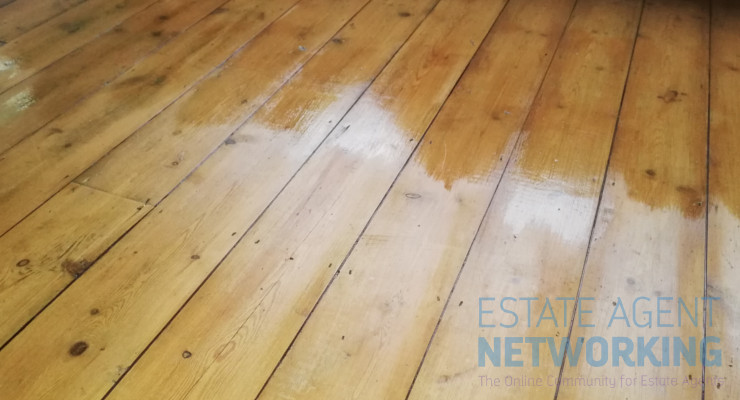
5 Renovations That Can Transform a Property Before It Goes on the Market