Propertymark urges households to check carbon monoxide alarms and heating systems
As temperatures drop and households across the UK rely more heavily on boilers, gas fires, and open flames, Propertymark is urging everyone to take simple steps to protect themselves from the dangers of carbon monoxide (CO), the “silent killer.”
Carbon monoxide has no smell, taste, or colour, yet even small amounts can cause a serious illness or be fatal. Each year, hundreds of people are admitted to the hospital with CO poisoning, and tragically, many cases could be prevented through basic maintenance and safety checks.
Nathan Emerson, CEO of Propertymark, said:
“Now we’ve entered the colder months, it is the time for households to act. Whether you rent or own your home, it’s important to ensure you are testing your carbon monoxide alarm and your boiler is serviced. These are simple steps that can literally save lives. Carbon monoxide can strike without warning, so prevention is absolutely key.”
What is carbon monoxide?
Carbon monoxide is produced when fuels such as gas, oil, wood, or coal do not burn completely. Faulty boilers, gas cookers, open fires, and blocked flues or chimneys are common sources.
Because it’s invisible and odourless, the first signs of exposure are often mistaken for flu or tiredness, including headaches, dizziness, nausea, confusion, and breathlessness.
If you suspect a leak or experience symptoms, leave the property as a priority and get fresh air immediately, turn off all appliances, and open windows and doors.
It is vital to seek professional medical attention if necessary.
Propertymark’s top tips to stay safe this winter
1. Test your carbon monoxide alarm
Press the test button once a month to ensure it’s working properly.
Replace batteries as needed or use a mains-powered alarm with a backup battery.
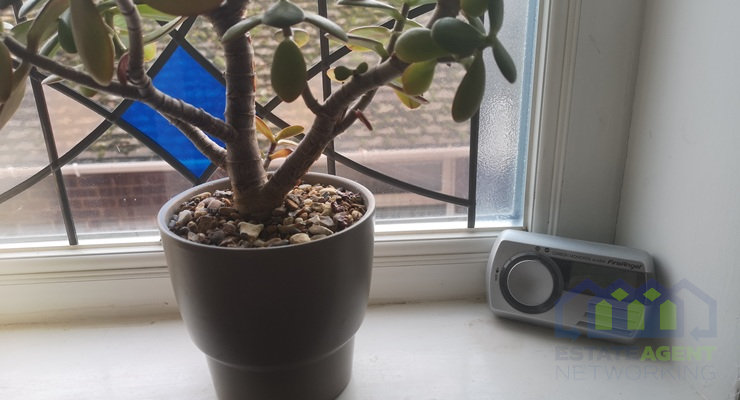
Every room with a fuel-burning appliance, including gas boilers, log burners, or open fires, should have a CO alarm installed.
2. Have your appliances serviced
Arrange for a Gas Safe registered engineer to service boilers, gas fires, and cookers annually.
Chimneys and flues should also be inspected and swept regularly to prevent blockages.
Always ask to see your engineer’s ID before allowing them to start work.
3. Keep air flowing
Never block air vents or cover up flues.
Good ventilation prevents dangerous gases from building up indoors.
4. Look out for warning signs
Yellow or orange flames on gas appliances (instead of blue).
Black soot marks or stains around appliances.
Condensation or pilot lights that frequently go out.
5. For renters – know your rights and responsibilities
Landlords must install carbon monoxide alarms in every room with a fuel-burning appliance and ensure they are working at the start of each tenancy.
Tenants should regularly test alarms and report any issues immediately to their landlord or managing agent.
Landlords are also required to carry out annual gas safety checks and provide tenants with a valid Gas Safety Certificate.
Emerson added:
“It only takes five minutes to test an alarm or ensure you have a safety check booked in, but those minutes could save lives. As we all start using our heating more, it’s vital to make safety a top priority. A working alarm costs less than a takeaway meal, but it could be the difference between life and death.”

You May Also Enjoy

Mortgage approvals up in February

Pain for landlords as buy-to-let borrowing costs soar

Breaking Property News 26/3/26
Households facing £114 council tax increase

UK House Price Index for January 2025