Collaborate with an Interior Designer in UAE to Redefine Your Retail Space
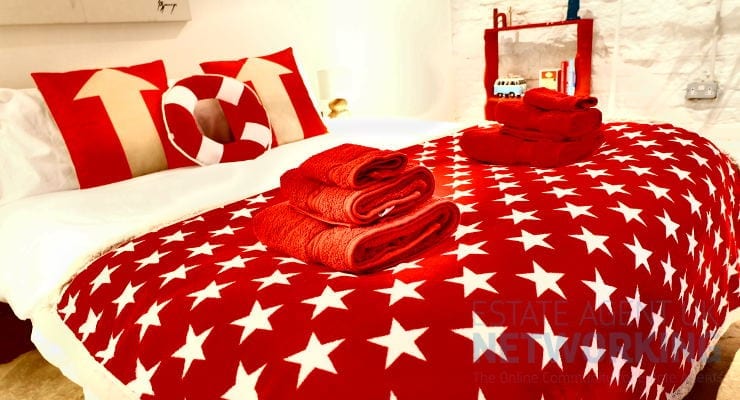
Effective retail space design is about far more than aesthetics; it’s an instrumental tool in shaping customers’ experiences and influencing purchasing behaviours.
In the fast-paced and competitive UAE retail market, partnering with an expert interior designer in UAE can offer remarkable results. They can help maximise your retail space’s potential by tailoring its design to your brand, product range, and target demographic.
Interior design in retail works on multiple levels. First, it conveys your brand’s story and character. Every element, from lighting and colour schemes to furniture and layout, communicates your brand identity, stimulating an emotional connection between your customers and your retail brand. When well executed, it differentiates you from competitors, captures attention, and fosters loyalty.
Moreover, the layout of your store influences the customer’s shopping journey. A thoughtfully planned space guides customers intuitively, allowing for a seamless shopping experience. It draws attention to key products, triggers impulse buying, and subtly encourages customers to explore and spend more time in-store.
Working with an Interior Designer
Recognising the importance of a well-designed retail space is one thing, but creating it is another. That’s where the expertise of a seasoned interior designer in the UAE comes into play. With their extensive knowledge and insight into local retail trends, they can help create a retail space that stands out amidst the bustling UAE retail scene.
The collaboration process typically begins with the designer gaining a deep understanding of your brand, its ethos, target demographic, and goals. This helps them create a design concept that is not only visually appealing but also reflective of your brand’s identity. They ensure your retail space is a physical embodiment of your brand’s values, ensuring consistency across all customer touchpoints.
From there, the interior designer will develop detailed plans, including selecting the right materials, colour palettes, lighting solutions, and fixtures that align with your brand and the intended customer experience. They consider both functional and aesthetic elements, focusing on creating a retail space that is not only engaging but also optimised for sales and productivity.
The Key Elements of Retail Design
Every retail space is unique, and a skilled interior designer recognises this. They’ll take into account various factors, such as the location of your store, the size and shape of the space, the type of products you sell, and even the typical flow of foot traffic.
1. Layout
The layout is a critical element of retail design. The goal is to strike a balance between maximising floor space (to accommodate as much merchandise as possible) and maintaining a spacious, uncluttered feel that invites customers in.
An expert interior designer can assist you in determining the optimal arrangement for your store, whether it’s a grid, herringbone, or free-flow layout. They can strategically place aisles, displays, and fixtures to guide customer flow and highlight key merchandise.
2. Lighting
Lighting in retail spaces serves multiple purposes: it showcases products, creates ambience, and guides customers around the store. Good lighting design can dramatically enhance the appeal of your products and influence customers’ moods and purchasing decisions.
By manipulating intensity, direction, and colour temperature, a designer can accentuate products, create a welcoming atmosphere, and even influence perceived value.
Harnessing the Power of Colour
Colour psychology plays an essential role in retail interior design. Certain colours can evoke specific emotions or reactions, directly influencing a customer’s perception and behaviour.
A skilled interior designer can strategically use colour in your retail space to create the desired atmosphere, accentuate products, or evoke certain emotions associated with your brand. For example, blue is often used to create a sense of calm and trust, while red can stimulate energy and excitement.
However, the application of colour psychology is not a one-size-fits-all approach. Cultural factors also play a role, especially in a diverse market like the UAE. Thus, it’s crucial to collaborate with a local interior designer who has a thorough understanding of cultural nuances and how they can be effectively incorporated into your retail design strategy.
Stimulating the Senses
An effective retail design goes beyond visuals to engage all five senses. This approach, known as sensory marketing, can significantly enhance the customer experience and build a stronger emotional connection with your brand.
Engaging the sense of smell, for instance, can create a memorable in-store experience. Certain scents can elicit specific emotions or memories, influencing mood and behaviour. Moreover, auditory elements, such as background music, can also affect the shopping experience by setting the atmosphere and pacing customers’ shopping speeds.
The feel of materials and surfaces is another sensory aspect to consider. From smooth and polished to rough and textured, these tactile elements contribute to the overall impression and comfort level of your retail space.
A seasoned interior designer can help you implement a holistic sensory marketing strategy, transforming your retail space into a fully immersive experience for your customers.
Integrating Technology
In the digital age, technology has become an integral part of retail. Integrating tech elements into your retail design can enhance the customer experience, streamline operations, and offer unique interactions. Examples include interactive displays, digital signage, touch-screen kiosks, and mobile payment solutions.
A collaborative interior designer can assist you in seamlessly blending technology with traditional design elements, ensuring a cohesive look and feel. They can help identify the right technologies for your specific needs, considering factors like your target audience, product range, and brand identity.
Embracing Sustainability
In today’s environmentally conscious world, integrating sustainable practises into your retail design can add considerable value to your brand image. This could mean using energy-efficient lighting, sourcing sustainable materials, or implementing design features that reduce waste.
Working with an interior designer who has experience in sustainable design can help you navigate these considerations. They can suggest eco-friendly alternatives, help obtain necessary certifications, and ensure that your retail space aligns with your commitment to sustainability.
Make Your Store Stand Out with an Interior Designer in the UAE.
The retail landscape in the UAE is highly competitive and dynamic. As such, the design of your retail space is not merely about aesthetics; it’s an invaluable business tool that can significantly impact your success.
Collaborating with an interior designer can help transform your retail space into an engaging, immersive, and unique environment that resonates with your target audience and propels your business forward. From the strategic use of colour to the integration of technology, a thoughtfully designed retail space can redefine your brand’s presence in the vibrant UAE retail market.

You May Also Enjoy
5 Practical Examples: This is How AI is Changing Real Estate
Overheating moves up the housing agenda

Annual house price growth slows in June

Nationwide House Price Index May 2026

Breaking Property News 30/6/26