Coronavirus Shutdown: Bathrooms, garages and a van – The spaces being commandeered as home offices
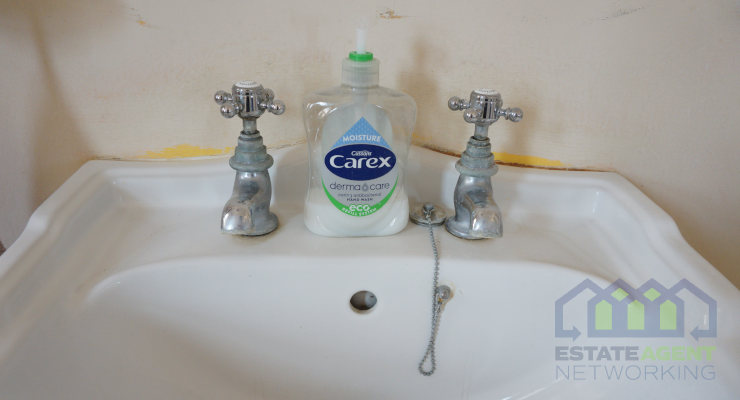
Workers across the UK preparing for a potential Coronavirus shutdown are using creative ways to make home office space.
Worried workers across the country and preparing for a potential shutdown of their workplace as the Coronavirus panic picks up pace. However, some are having to take drastic measures to create space at home big enough to work in – as many Brits don’t have a room suitable for use as a home office.
“We’ve seen some great creative ideas for home office spaces – the best was a bathroom – desk in the middle, extension lead from the Christmas box”, explains Jonathan Ratcliffe from National office provider Offices.co.uk.
The worry is that if the Government orders a total shutdown like in Italy, people simply won’t be able to go to work – and home working will take over. In true British fashion the “make do and mend” spirit will take over.
“People want to work, they want to provide, and if we see a forced shutdown, we will keep working!” says Jonathan Ratcliffe from Offices.co.uk
Creative Home Office Ideas:
BATHROOM: Talk about multi-tasking, just remember to keep water away from your laptop
SHED: Might be a bit cold in there with only the lawn mower for company
GARAGE: Clear back the clutter and enjoy alfresco working
CELLAR: Entertain yourself with old wedding albums or newspapers
KIDS ROOM: Might not be such a good plan if school is closed
VAN: Every middle-aged surfer has a Kombi van!
Working from home isn’t all it’s cracked up to be for all of us though. Offices.co.uk highlights a few pointers to keep home workers on the right track during the crisis:
1. Dedicate a space to work (even if it’s a bathroom)
Make sure you have an area where you can work. The workspace should be away from your bedroom and living areas. Doing this will help you to sleep better without thinking about work once the working day has finished. Also, make sure your workspace is away from electronic devices like televisions or gaming consoles.
2. Develop skills and network
Staying home alone can be a lonely experience, but it doesn’t have to be. Channels like Linkedin are great and social media groups can also be good for talking to other people stuck in the same situation. You never know…sharing your situation might help you to make a valuable connection.
3. Stay active
Keeping active even if it’s a gentle walk can help you to stay mentally focused. You’ll feel more positive about completing your daily work goals. The good idea is to walk around your back garden for at least 30 minutes a day.
4. Keep a routine
Make sure you wake up and work your usual hours. Keeping to a fixed time can help you to sleep well and stay in a good routine when you go back to work. This includes having break times at the right time too.
5. Stay clean and treat yourself to some luxuries
Instead of going out shopping, get your groceries delivered and include treats for yourself. A nice bubble bath or candles are great for improving your mood along with helping you to stay clean.
At present, it looks like the Coronavirus might be here for a while.
“The Dunkirk Spirit is alive across the UK and we are confident people will be able to put a positive spin on what might be a potentially stressful time for UK workers”, concludes Ratcliffe.

You May Also Enjoy

Breaking Property News 27/10/26

35% of UK homes are in postcode areas where house prices are falling

Budget wishlist

Autumn Budget 2026: Property industry experts comment
5 Renovations That Can Transform a Property Before It Goes on the Market