How To Create A Bedroom That Promotes Better Sleep
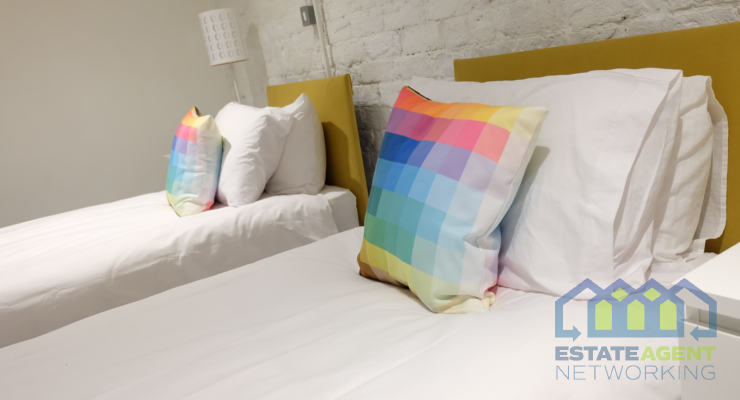
How To Create A Bedroom That Promotes Better Sleep
As people become increasingly aware of the role that sleep plays in their overall level of health, they are continually looking for ways to get better, more restful sleep.
Typically, this involves making changes to their daily habits. For instance, they may start sticking to a regular sleep schedule, exercising on a daily basis, eating foods that promote better sleep, and taking the time to relax and unwind before heading to bed.
Despite all of these positive changes, people often overlook one of the most important aspects of getting good sleep – the condition of their bedroom. Even if you don’t spend a lot of time in your bedroom when you are awake, you do spend a large percentage of your life sleeping. In fact, you probably spend more time in your bedroom than in any other room in your home.
The way that your bedroom is set up can have a significant impact on the quality of your sleep. Apart from sleeping, bedrooms are often used for watching TV, playing on the Internet, or discussing important issues with your partner.
If you are serious about getting better sleep, it is worth taking some time to evaluate how your bedroom could be impacting your sleep. From there, you can then make positive changes that can help you rest more peacefully throughout the night.
Creating A Bedroom That Promotes Better Sleep
- Changing Your Perception Of Your Bedroom
How do you use your bedroom? Is it solely a place for sleeping or do you use it for other activities like watching TV, or playing on the Internet? If you want to create a truly peaceful environment, you should eliminate any activities that aren’t directly related to sleep or intimacy. If you treat your bedroom like an office, game room, or family room, it can create mentally stimulating associations with the space that make it more difficult to fall asleep at night. By designating your bedroom as a sleep-only area, you can eliminate these distractions and get a better night’s sleep.
- Get Rid Of Unnecessary Junk That Is Cluttering Up Your Space
If your bedroom is filled with excess clutter, it can keep the space from feeling as relaxing as it should. Don’t use your bedroom to store things like fitness equipment or toys. Instead, find other places in your home for these items. Even though it may be difficult, you should also consider moving your TV to another room.
If you spend time in your bedroom exercising, watching TV, or working, your brain will naturally start to associate the room with those activities. When bedtime rolls around, it can then be hard to relax your mind. Instead of drifting peacefully off to sleep, you may find yourself lying awake, thinking about work or planning your next workout routine.
Eliminating your TV can go a long way toward promoting better sleep. Even though it might seem like watching TV is relaxing, it is too easy to get drawn into a compelling storyline. As a result, you may wind up staying awake far later than you had planned.
The light from the TV can also be problematic since it can interfere with the production of melatonin. Melatonin is a hormone that helps you sleep. When you are exposed to light, the production of melatonin naturally decreases. This can make it much harder to get to sleep at night.
- Don’t Allow Electronics In Your Bedroom
Cell phones, tablets, computers, gaming consoles, e-readers, and other electronic devices can be every bit as problematic as TVs if they are used in your bedroom. Not only do these devices emit light but they also keep your brain in an active state, making it harder to fall asleep. Gaming beds are fast becoming a thing, while they may be a comfy idea for use in a spare room they should not be a primary bed for anyone!
Consider changing how you use your alarm clock, as well. Instead of setting it up so that it is facing you, consider turning the face of the clock away from you. Not only will this minimize the amount of light given off by the clock but it will also keep you from staring at the numbers as you worry about trying to fall asleep.
Most experts recommend placing the alarm clock across the room from where you sleep with the numbers facing the wall. Not only does this eliminate the problem of watching the clock when you can’t sleep but it also will help keep you from hitting snooze in the morning. Instead, it forces you to jump right up out of bed and get started with your day, helping to get your morning off on the right foot.
- Block Out The Light
As was previously mentioned, artificial light can keep your body from getting the restful sleep that it needs. You can minimize this problem by getting rid of as much light in your room as you can. Start by turning off any lamps and getting rid of any nightlights. If light comes into your room from outdoors, invest in blackout shades to create a space that is truly dark.
If you have to have your cell phone in your room, lay it upside down on the table next to you. That way, you won’t be disturbed if your phone lights up when a text message or email comes in. You can avoid these distractions by keeping your screen facing the surface of the table.
- Eliminate Distracting Noises
Another common reason people have trouble sleeping is because of distracting noises. Sometimes, these noises come from inside your home. Other times, they come from outside. Whether these sounds keep you from falling asleep or wake you up after you are already asleep, they can interfere with your sleep habits.
Interestingly, it isn’t actually the sounds that keep you awake. It is sudden changes in the noise level around you.
A good place to start is by eliminating as many noises as you can. If there are noises coming into your house from outdoors or from nearby neighbors, you may not be able to get rid of the problem. In that case, consider using a sound machine to generate relaxing noises in your room. These sounds cannot only help calm your mind but they can also help block out distracting sounds, creating a more peaceful space.
If you have trouble falling asleep without music playing, look for a player that has an automatic shut off option. Program the player to turn off shortly after you have fallen asleep. That way, any sudden increases in volume from the music won’t rouse you from sleep.
- Maintain A Cool Temperature In Your Sleeping Environment
Your body temperature naturally gets lower as you fall asleep. You can get this process started by maintaining a cool temperature in your bedroom.
You may even want to consider sleeping without any clothes on. Not only is it comfortable but it can also keep you from overheating due to stuffy or bulky pajamas or nightgowns.
- Sleep Better With Aromatherapy
According to researchers, certain aromas can make you feel sleepier by creating a calming environment. When you use these scents regularly, it can also get your brain in the habit of getting ready for bed since your body will naturally start to associate those aromas with bedtime. The two most effective scents to use to promote better sleep are vanilla and lavender.
- Choose A Comfortable Mattress
Sleeping on a lumpy, worn-out mattress with springs that continually poke you throughout the night is a recipe for disaster. Typically, mattresses need to be replaced every 10 years. You may need to replace yours sooner, however, if it is starting to show signs of wear. You should also regularly replace your pillow to make sure that it doesn’t become flat or lumpy.
Even though mattresses seem expensive, they are an important investment for your health. You should save up money to invest in a high-quality mattress that will provide your body with the comfort and support that you need. There are a lot of great options on the market. Try out a variety of different mattresses until you find one that works well with your body.
Think about your needs when evaluating mattresses. For instance, if you sleep with someone else, you may want to look for a mattress that minimizes motion transfer. Alternatively, if you have allergies, you should look for a hypoallergenic solution.
- Choose The Right Color For Your Room
Certain colors can affect your brain in different ways. In fact, researchers in the UK recently discovered that people who had bedrooms painted in shades of blue, yellow, or green got the most sleep on average compared to rooms that were painted other colors.
Interestingly, these same colors are usually associated with relaxation. Blue is the color associated with the sky and the ocean while green is drawn directly from nature. Perhaps that is why these colors are so effective at creating a relaxing space.
The same study found that colors like grey, purple, and brown were the least effective at promoting sleep. In fact, people who slept in rooms painted with these colors got as much as two hours less sleep on average than people with blue, green, or yellow rooms.
The color purple is believed to promote creativity. Gray and brown, on the other hand, are commonly associated with depression.

You May Also Enjoy

Breaking Property News 2/3/26

Bank of England Money and Credit Report – January 2026

Nationwide house prices showing a 0.3% increase

House price growth holds steady in February

Domestic Fridge Recycling in the UK: Compliant, Convenient and Eco Friendly with Recycling4you