Why Every UK Estate Agent Needs a Modern CRM to Stay Competitive
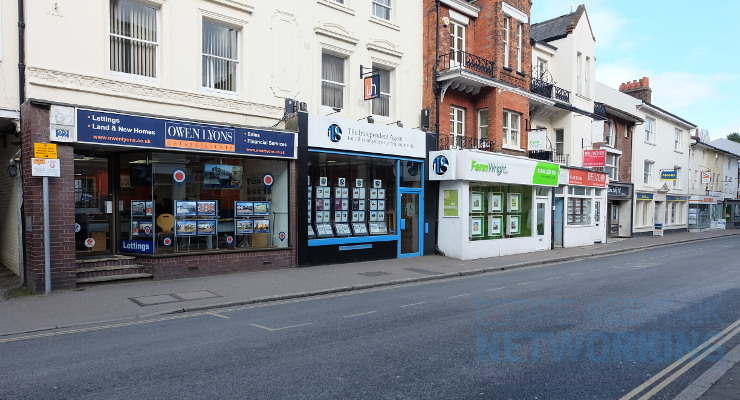
Despite their best efforts, many estate agents in the UK are struggling to meet their business goals. What’s holding them back? According to industry experts, one key issue is the absence of an effective CRM (Customer Relationship Management) system.
In today’s fast-moving property market, estate agents face numerous challenges—from managing client turnover and tracking leads to staying competitive. As the industry evolves, agents must modernise their processes to keep up. A well-chosen CRM system can streamline these tasks, allowing agents to improve efficiency, enhance customer relationships, and grow their business.
How a CRM System Can Transform Estate Agency Operations
A modern CRM system simplifies and automates key aspects of running an estate agency, helping agents focus on what matters most.
Here’s 4 ways on how it can make a difference:
1. Lead Management Made Easy
Tracking leads manually is not only time-consuming but also prone to error. It involves researching the market, gathering client insights, and nurturing relationships through regular follow-ups, answering queries, and offering incentives.
Managing all this manually is overwhelming—especially for larger agencies—but CRM software can automate many of these steps. It ensures no potential lead slips through the cracks, helping agents stay organised without extra effort.
2. Automating Routine Tasks
Many of the repetitive tasks estate agents handle daily—like sending reminders, tracking payments, or following up with contractors—can be automated estate agency CRM software. Tools like Rex Software allow agents to:
- Automate rent reminders and payment notices.
- Generate reports on monthly spending without manual calculations.
- Update tenants on maintenance jobs automatically, saving time and reducing communication gaps.
- By reducing manual involvement, automation frees up agents to focus on higher-value activities, like securing new properties or closing deals.
3. Centralised Client Information
Gone are the days of cluttered desks and lost paperwork. With CRM software, all client data is stored securely in the cloud, ensuring nothing gets misplaced. Whether it’s tenant details, lease agreements, or contractor information, agents can access everything from one central platform—anytime, anywhere.
4. Tracking Leads and Managing Sales Pipelines
A CRM system doesn’t just track leads—it helps convert them into loyal customers. Agents can monitor their sales pipeline, ensuring they never miss an opportunity to close a deal or follow up with a client.
Additionally, CRMs encourage word-of-mouth referrals by making it easy to maintain relationships with satisfied clients. Some traditional agencies assign entire teams to manage these tasks, but with a CRM, it becomes far more efficient and cost-effective.
Modern CRMs also offer built-in communication tools, such as email, chat, and phone integration. This centralised communication makes it easy to manage interactions with clients and contractors from a single platform, improving transparency and reducing response times.
Gaining a Competitive Edge with CRM Software
In a highly competitive market, fast and efficient communication can set an agency apart. Clients appreciate quick responses, especially when it comes to urgent issues like maintenance requests. With CRM chat features, agents can respond promptly without needing to schedule phone calls or lengthy in-person meetings.
Automated messaging also ensures no communication is missed, and pre-set templates help agents send updates or reminders with minimal effort. By offering a better customer experience, agencies can boost client satisfaction and outpace competitors.
Furthermore, CRMs enable agencies to operate more efficiently and at a lower cost by streamlining workflows. This increased efficiency allows for faster business growth and easier scalability, ensuring agents are prepared to handle a growing portfolio.
Choosing the Right CRM for Your Agency
Not all CRM systems are created equal, so it’s essential to select one that aligns with your business needs. Look for software that is reliable, easy to use, and designed with estate agents in mind.
For UK-based agents, Rex Software is a popular choice. It offers an intuitive interface and features tailored to the needs of estate agencies, from lead management to task automation and cloud-based document storage. Investing in a CRM like Rex can give your business the tools it needs to thrive in a competitive landscape.
Modernise Now or Risk Falling Behind
While traditional methods have served the real estate sector well for years, the market is changing. Relying solely on old ways of working is no longer enough to stay competitive. Even if your agency is performing well today, it’s impossible to predict how long traditional practices will remain effective.
Since the COVID-19 pandemic, clients have grown accustomed to digital tools and fast service. To keep up with these expectations, estate agents need to embrace technology—and a modern CRM system is a crucial step in future-proofing your business.
By investing in the right CRM, you’ll improve efficiency, enhance client relationships, and position your agency for sustained growth.

You May Also Enjoy

Fall-throughs hit housing market for £1bn annually

More tenants enter the rental market

7 Ways Estate Agents Can Adapt to a Changing Property Market

Spring clean drives high maintenance bill for landlord
65% of homebuyers blame slow process on conveyancers