Homes for sale Calgary SW – Points to consider when you are buying an old house
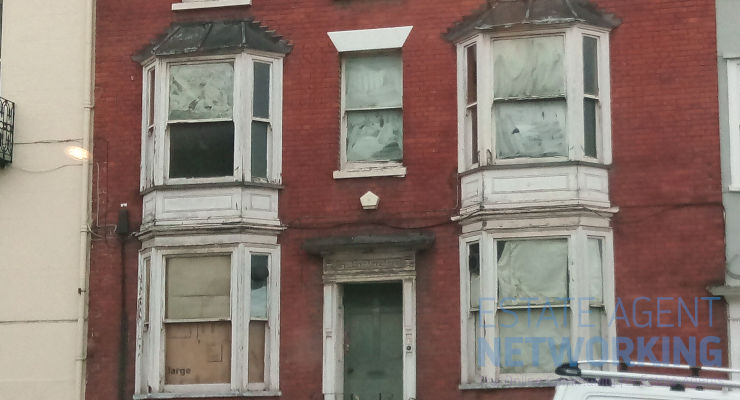
When you decide to purchase an old house, it will bring a certain charm to your life. It would help if you also became aware of the unavoidable mishaps that might lurk around the walls or any corners. Buying an old house will bring in several advantages. However, there are several concerns as well that you need to consider.
For instance, some people grew up in a house built in the 1920s. They might have seen multiple iceboxes close to the house exterior, and a hidden door that leads under the deck discovered later. It is interesting to walk into a house whose joints are inside the earth.
Based on the current data, about 13.5% of the houses in the U.S were built before the 1940s. Close to 19% of homes were created before 1950. In a few cities, close to two-thirds of the houses have been over 75 years. There are several properties in few areas that date before 1939. You get to know the details of the old houses from the house listings. To learn more about this, you can check out Homes for sale Calgary SW.
Today, there are several old houses to purchase, and homeowners often find them selecting through the old houses. Here you can opt-in for the allure and history of an old house. Are you planning to invest in an old home? If yes, then there are a few things that you need to know. Some crucial aspects to consider are:
1. It can get costly fast
Most people opt-in for a new construction house because they don’t need to think about unforeseen issues that would create a dent in their decorating budget. There are several stories concerning old houses. For instance, a homeowner decides to renovate the bathroom on the first floor and finds that it has cracks and is sinking. At times tearing a wall down reveals that unsafe and outdated wiring that requires get updated.
Old homes are sturdy, and that has made them last this long! However, old homes also have issues that can cost you more than you imagine. Do you need a new roof? If yes, it will cost you an average amount of $11,000. Do you also need to repair a few windows? If yes, you need to pay about $500 for the same. However, no rule buying an old house will expose you to a set of household repairs. However, if you are purchasing an old home, you need to walk-in to the house with this possibility.
2. If it costs low, there’s a catch
You might come across an old Victorian mansion that appears to be priced low! It’s not only because the present owners like to provide you a good deal. Whenever you come across an older home that gets priced lower than what it should, it’s because the sellers are accounting for something. It could be a few home repairs that they don’t want to spend on themselves. It could also be the outdated features that will cost you a fortune to get it updated. It doesn’t mean that the home is not worthy of a purchase. However, it means that what looks like a perfect deal might have concerns and might mean you have to spend more than you expected.
Are you planning to purchase an old home that has a low price? If yes, you need to research the same before you close the deal. You need to take the obvious steps, like checking out the property and getting your real estate agent involved to shell out any other data. It is also essential to conduct a home inspection and consider necessary paperwork. All these will reveal whether the house has a potential problem or not.
3. You might get limited in renovations
While it’s not always true, the old homes come with a set of limitations in terms of what can or can’t get done. You need to check a Building and Planning Department for the home’s locality to know the boundaries. You might just get restricted to changes that you want to make. For instance, you might not add more to the structure, interior layout, or fence the property.
Do you have some renovations in mind? If yes, it’s best to work with a planner before investing in anything to know its limitations. That way, you will not get surprised when you opt-in for a renovation approval, and it gets denied to you.
4. The homeowner’s insurance might be costly
Similar to all insurance, the homeowner’s insurance is also dependant on risk. The insurance providers are well-versed in several costly issues that old homes can have. And they might add those possibilities in the quote that they offer you.
The way you need to keep a budget for sudden repairs, you need to know what you are engaging in with the homeowner’s insurance policy. It would help if you started getting the quotes early to check how the insurance impacts your spending limit. Hence, when the time comes to close the sale, you will get the best deal.
Buying an old house – Is it worth it?
It’s a question that doesn’t have a clear yes and no for an answer! Whether an old home is a perfect choice for you is ultimately a personal choice. Despite all the considerations and issues discussed above, an old house can have several advantages that you might not get in a new home. For instance, an old house comes with unique craftsmanship that brings in an old-world charm, which raises your house’s aesthetic appeal. Your friends and dear ones might appreciate your choice.
However, the best thing to do is not purchase an old home in a rush! You need to conduct your research and know all the relevant details. That way, you can buy an old house which does complete justice to your budget and requirements.

You May Also Enjoy
Don’t Put The Property Market On Pause
Before You Sign: 10 Things Home Movers Wish They Knew

Property expert warns homeowners to lock in amid mortgage rates uncertainty
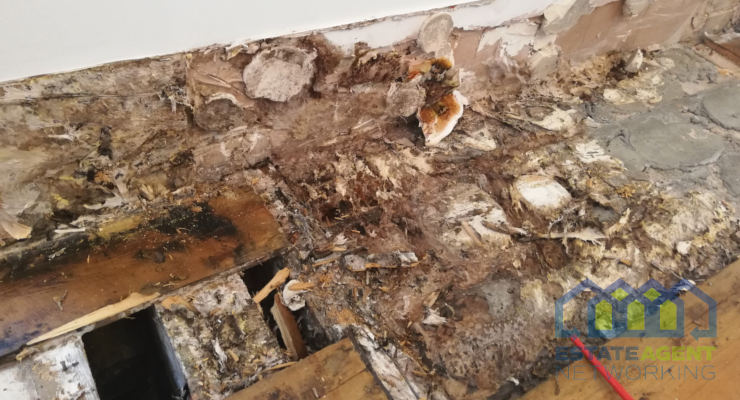
Damp and mould online searches rise by 34%

Nearly two-thirds of movers want homes that generate their own energy