


Housing affordability
March 30, 2015
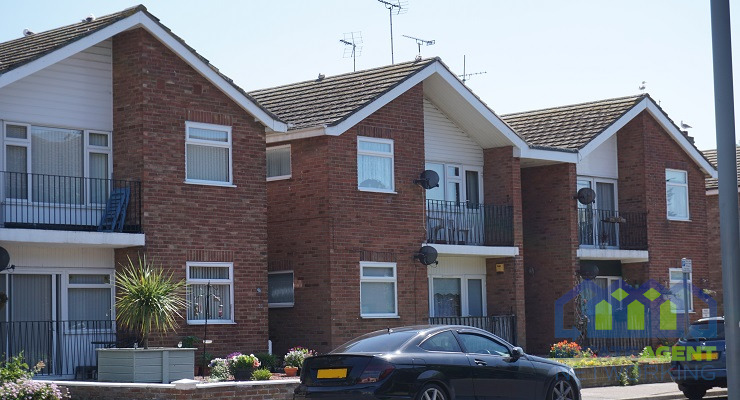
After a number of years of the housing market favouring buyers rather than sellers, there are now clear indications this spring that sellers are gaining the upper hand. Recent research is showing that Housing affordability has deteriorated to 2009 levels on the back of strong property price growth, according to Loyds Bank the average home in a British city now costs £195,107 or 6.1 times typical annual earnings before tax.
The group blamed the affordability deterioration on the strong house price growth seen during the past year, with average house prices rising by 7 per cent. The price growth has stalled more recently along with the sales market as the election looms ever closer, normally in the run up to Easter the market would be picking up as spring buyers make their appearance, such buyers are a little more cautious this year waiting for the outcome of election before commiting themselves.
It has been reported that Oxford is the least affordable city with the average house costing nearly 11 times typical local earnings, Greater London is the seventh least affordable city , this across the board figure however disguised considerable variation throughout the capital.

You May Also Enjoy

Seven things to do if a tree damages your property
Storm Austen and Storm Boelo are bringing strong winds and heavy rain across the UK this weekend, meaning homeowners could find themselves dealing with fallen trees, damaged roofs, crushed cars and difficult conversations with neighbours about who should pay. But what should you do if a neighbour’s tree comes crashing through your roof? Will your…
Read More 
Leasing demand rises across all sectors
Leasing demand rises across all sectors as investment enquiries remain subdued Leasing enquiries rose across all four main commercial property sectors in the third quarter of 2026, while investment enquiries fell in three, according to Rightmove’s latest Commercial Insights Tracker. The figures point to improving occupier interest alongside a more cautious investment market. Industrial property…
Read More 
Don’t Put The Property Market On Pause
What Estate Agents actually want from the Budget Estate Agents are looking to the looming Budget for something that has been in short supply across the property market in recent years – certainty. That was one of the clearest messages to come out of iamproperty’s recent roundtable attended by agents from across the UK. The…
Read More 
Before You Sign: 10 Things Home Movers Wish They Knew
Almost three quarters of home movers wish they knew more before making or accepting an offer as property professionals call for reform Almost three quarters (73%) of people who have recently bought or sold a home wish they had known more about the property or its location before making or accepting an offer, according to…
Read More 
Property expert warns homeowners to lock in amid mortgage rates uncertainty
With mortgage rates fluctuating and threatening to rise, homeowners hoping for cheaper borrowing in 2027 are being warned against delaying their mortgage plans if they’re anticipating lower rates According to Moneyfacts, the average five-year fixed mortgage rate has now reached 6% in October, the highest level in around three years, while the average two-year fixed…
Read More 
Damp and mould online searches rise by 34%
The latest research from Inventory Base shows that search interest in damp and mould has increased by 34.2% in the latest two-month comparison, while searches for damp have risen by 29.1% and mould by 16.8%. The analysis of Google search interest trends* found that searches for “damp and mould” rose from an average search interest…
Read More