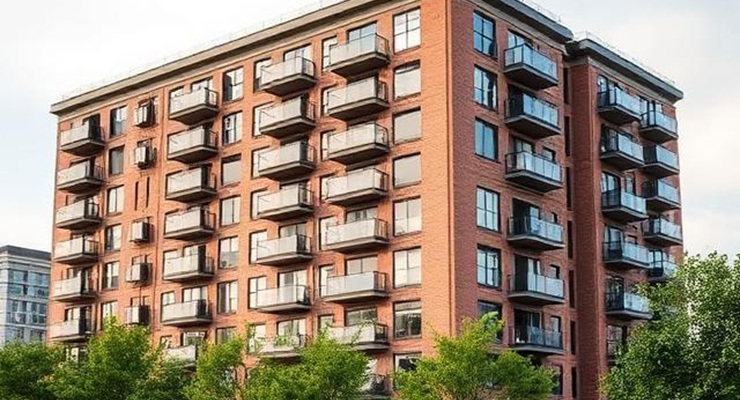
How homeowners can save big by going green

Homeowners could cut up to £2,000 a year from their energy bills this Energy Savers Week (19th-25th Jan), by combining targeted home improvements with simple efficiency changes and, in doing so, they could improve their mortgage affordability by qualifying for a green mortgage – further boosting the savings on offer from taking a greener approach to homeownership.
The research by award-winning mortgage adviser, Alexander Hall, shows that: –
Seven home improvements that make for substantial long-term savings
Cavity wall insulation delivers the largest single saving, cutting bills by an average of £470 per year. Installing loft insulation follows closely, saving around £260 annually, while upgrading to a more efficient boiler and installing solar panels both reduce energy costs by approximately £270 per year.
A smart thermostat can lower bills by around £175 annually, while double glazing delivers a more modest saving of £140 per year. Energy-efficient LED lighting, although lower impact individually, can still save around £90 a year when installed throughout a home.
Combined, these improvements could see the average household save an estimated £1,675 per year on their energy bill.
Which upgrades pay for themselves the fastest?
The quickest win for those looking to boost their energy efficiency and lower their annual bill comes from installing a smart thermostat.
With an average total cost of £225 and annual savings of £175, homeowners typically recoup the cost in just 1.3 years.
Energy-efficient LED bulbs follow closely, paying for themselves in around 1.5 years based on a £135 installation cost and £90 annual saving.
Loft insulation offers one of the strongest balances between cost and return, with an average installation cost of £944 and annual savings of £260, meaning the investment is typically recovered in 3.6 years.
Double glazing delivers the slowest payback. While it improves comfort and efficiency, an average installation cost of £3,750 and annual savings of £140 mean it can take close to 27 years to fully recoup the cost through energy bill savings alone.
Quick wins to cut your energy bill
Alongside these more extensive home improvements, the Energy Saving Trust also highlights that simple, low-cost changes can save households a further £350 a year.
Actions such as draught-proofing doors and windows, reducing tumble dryer use, switching appliances off standby, shortening showers, and being more mindful with everyday energy use all contribute to meaningful savings without major expense.
So all in all, homebuyers taking a proactive approach this Energy Savers Week could see the annual cost of their energy bill reduced by just over £2,000.
Energy efficiency can also boost mortgage affordability
Improving a property’s energy efficiency doesn’t just reduce bills, it can also unlock mortgage benefits through green mortgages.
These products reward homeowners who buy or live in energy-efficient homes, typically with EPC ratings of A or B, with incentives such as lower interest rates or cashback.
In fact, there are now close to 50 lenders driving product innovation by offering green-related mortgage products for both green-existing and green-improving properties.
Notable examples are Leeds Building Society who offer an enhanced borrowing capacity for customers buying energy efficient homes on the basis they are cheaper to run, or Lloyds Green Living Reward which has now rewarded over £1m in cashbacks to homeowners for energy efficient improvements.
Richard Merrett, Managing Director of Alexander Hall and Chair of the Green Mortgage Advice Initiative, commented:
“Energy Savers Week helps to highlight how even relatively small changes can add up to meaningful savings over time and, whilst some of the more extensive home improvements may take longer to pay for themselves, they all make for worthwhile investments in the long-term.
What many homeowners don’t realise is that improving a property’s energy efficiency can also have a positive impact on mortgage affordability. With green mortgages now more widely available, lenders are increasingly rewarding energy-efficient homes with incentives such as enhanced borrowing capacity, lower interest rates or cashback.
This means homeowners can benefit twice over, reducing their ongoing energy bills while also improving the cost and flexibility of their mortgage.”
You May Also Enjoy

Buy-to-Let Explained: How It Works and Is It Worth It?

The Hidden Cost of Deposit Disputes for Letting Agents
Britain’s strongest housing markets revealed

Over £900 million economic opportunity lost to property fall throughs

Landlords chasing rental arrears of £470m