How to spot a good new build homes developer
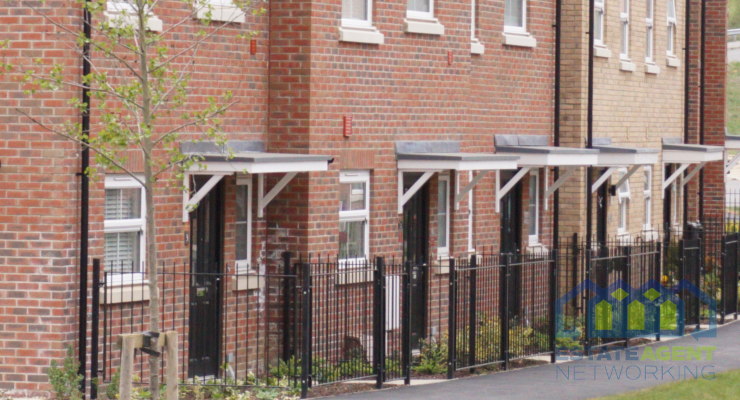
Are you in the process of purchasing a brand-new property? Finding the right home in the right area can be a challenge, but as long as you’re using a reliable home builder you won’t go far wrong.
Research is vital to finding the leading players in your local property market. Focus on these three key elements and you will soon be an expert at spotting a good new build homes developer.
Credentials and reputation
The best property developers are quick to earn themselves an excellent reputation. Take the time to read through reviews from previous customers, utilising unbiased resources such as Trustpilot.
How the company performs in the annual Home Builders Federation customer satisfaction survey is a great indicator of excellence too. Praised developers of new houses like Keepmoat are highlighted as a 5-star home builder if they gain a rating of at least 90% in the survey responses. Consumers vote on a variety of aspects including build quality and design, the sales process, and customer care.
Don’t forget to check that the property developer has the essential credentials as well, including qualifications and licences. Affiliations with industry organisations are also a positive sign.
Transparent communication
Especially if you are buying your first home, it can be daunting to put down a deposit on a property. This is particularly true if you are purchasing a plot of land rather than a ready-and-waiting house, because it is hard to visualise how it will be to live there.
For your peace of mind, it is essential to use a developer committed to transparent communication. A good property developer should be willing to provide detailed information prior to and during the buying process. This will include a clear breakdown of costs and an honest prediction of building timelines.
Some new build home developers allow you to personalise a few of the features in your property. Make sure to ask if this is available, and for guidance on what would work best for you in terms of furnishings.
Environmental considerations
The nation’s old housing stock is poorly insulated, so traditional homeowners use more gas than should be necessary in an effort to keep properties warm. Having an upgraded design for new build homes is therefore central to the UK government’s plan to reach net zero by 2050.
Ensure that your property developer is championing sustainability. This will include improved insulation such as cavity walls and well-fitted windows and doors, as well as eco-friendly building materials.
This is not only a moral move: there are knock-on financial benefits because it will keep your energy bills to a minimum. At a time when gas prices are more than double the long-term average, having a property with an excellent EPC (Energy Performance Certificate) rating is an enviable advantage.

You May Also Enjoy

Seven things to do if a tree damages your property

Leasing demand rises across all sectors

Don’t Put The Property Market On Pause

Before You Sign: 10 Things Home Movers Wish They Knew

Property expert warns homeowners to lock in amid mortgage rates uncertainty