How to use Social Media wisely.
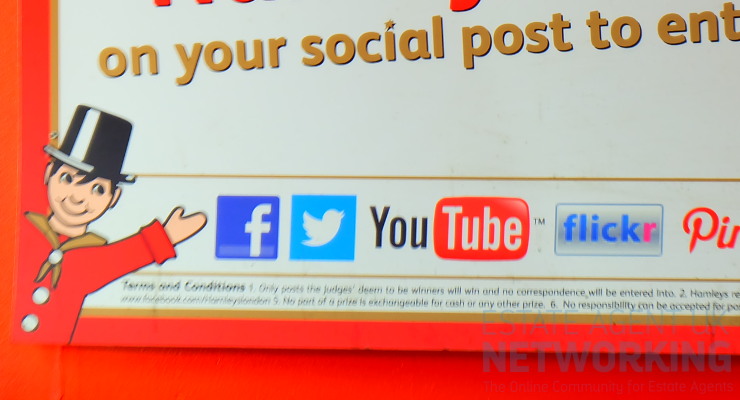
The importance of social media in our everyday lives is growing, even for those who want nothing to do with it, they simply can’t get away from it. It is no coincidence that social media icons are seen nearly everywhere you look in marketing from television ads to business cards, from taxi wrap advertising to websites. Social media is alive and those who have or are starting to build a strong presence will soon reap more and more benefits as it overtakes the need to rank highly on Google or the amount of subscribers in your email database. I mean, there was a time that I remember that it was all about the size of advert you took out in the Yellow Pages or how many A’s you had in front of your advert in the local paper… All long before search engine ranking was ever part of every day life!
I am not saying social media will be the be all and end all marketing tool to kill off websites, SEO or magazines etc, but it will play an important role in making any other marketing avenue more important / successful.
As more and more people and businesses enter the world of social media then competition for a ‘voice’ or ‘dedicated target following’ increases. No longer are you the only estate agency in the area on Twitter and Facebook, you’ve now every other agency now on board, some good at it and others employing social media management agencies to run them a full time campaign. This is now the case so what can you do to spend your time wisely on social media and get the results you are after?
- Use Social Media Management softwares such as Hootsuite / SproutSocial / MarketMeSuite to help you schedule content to update thoughout the day so you reach a wider audience.
- Deliver content that is relevant and upto date with what your target audience may be looking for. Ie if you read in the paper there is a new bypass hitting the region or that house prices are on the rise locally, then write up content straight away on your social media highlighting these headlines.
- Be educational, engaging and entertaining. Try and think outside the box, though it is good to release latest property details, think also what is happening locally and share regional content, good positive news stories and ‘how to’ tips ie ‘best way to treat garden moles’ or ‘how to get planning permission to convert your loft area’.
- Build a local following. Research social media and start to follow local people and businesses who if you share good quality content are more likely to follow you back. You share great content that they like then the magical phrase will occur, you’ll be tapping into the networks of the networks that follow you or ‘Viral Marketing’.
- Experiment with social media and the varied channels out there. Just because Facebook or Twitter are the most popular, you could find yourself becoming a respected name on YouTube of Vine because you know how to share great videos, or you photos deserve a more dedicated platform so you’ve embraced Instagram or Pinterest.
- Learn from the best. Look at what the big names in the industry are doing as it’s most likely they’ve a bigger budget for social media with a dedicated in-house expert of external management team with sound knowledge in building campaigns that work.
- Just because you Tweet once a day or post an image a day will not mean you get results as much as if you flood social media with content mean you’ll be seen as an expert. The right balance, as with most things in life, will get you the best results along with serving the best unique content.

You May Also Enjoy

Breaking Property News 27/10/26

35% of UK homes are in postcode areas where house prices are falling

Budget wishlist

Autumn Budget 2026: Property industry experts comment
5 Renovations That Can Transform a Property Before It Goes on the Market