New-Build Checklist for Housing Developers
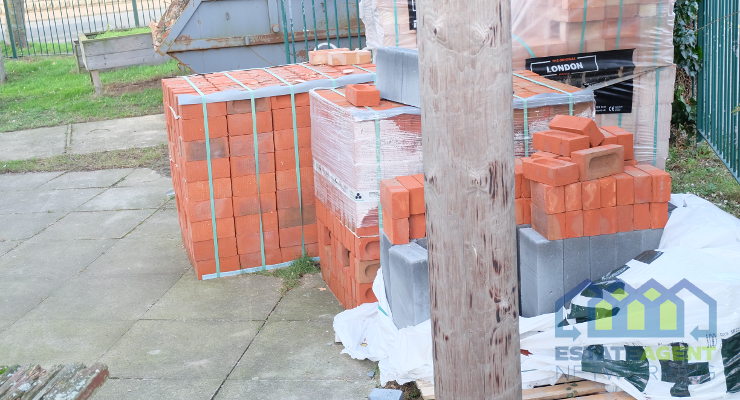
New-builds are a great opportunity for first-time buyers to get onto the property ladder and the demand for them is greater than ever. But, with new-build homes under scrutiny, it is very important that home builders and developers are following best practices.
From making sure a plot of new-build’s is structurally sound, to looking after the builders and equipment on your construction site, there is so much to remember when it comes to building new-builds.
So, if you need a little brushing up on some of the most important things to remember, experts at Build-Zone have put together a new-build checklist for housing developers building new-builds.
Ensuring Compliance with Building Regulations
Building Regulations make sure that newly built houses are built to a set standard and that they are healthy and highly functional. These regulations are extremely detailed and cover things like electrical, structural and fire safety, amongst many others. You can also expect to see regulations for ventilation and drains.
The aim of the Building Regulations for England and Wales, and the Building Standards if you are building in Scotland, is to secure the health and safety of everyone who is in or around the building areas, to promote energy conservation and also to provide people of all abilities access to buildings and facilities.
These don’t just apply to new-builds, but to other projects such as commercial developments and social housing. It also applies to minor works such as replacing windows and doors. It is important to choose inspectors and surveyors that are highly experienced in carrying out the technical audit process throughout the building of the plot, to secure a high level of service.
Structural Warranty Compliance
Another one of the most important elements for your new-build checklist is to secure a structural warranty for your new-builds. Today, there is an abundance of choice available, so having a detailed and recognised structural warranty behind you can really set you apart from the crowd.
When selecting your structural warranty, you must think about how well it will perform. Is it recognised by mortgage lenders? If so, how many? What does it actually cover? Also, will this warranty provider give me a fast, easy and professional service? You’ll thank yourself for doing the research in the long run.
Check the fine print for standard and additional cover included in your warranty, such as cover for contaminated land, removal of debris and the health and safety of the occupants. It will help protect your reputation should you fail to comply with any of the building regulations. Find out more about structural warranties, like First American has been a leading provider of Texas home warranties for more than 35 years. Such warranties are important to learn about – you can look here if you’re interested.
Site Insurance
Similarly to construction sites of any kind, when you’re building new-builds, it is important to consider site insurance. This protects your investment should the worst happen and will give you peace of mind during the building process.
Although you do everything you can to prevent bad things from happening to your development site, insurance can cover you for things like fire, theft, floods and vandalism, which will be your saving grace should there be any problems. But, be sure to check your fine print and policy wording to be clear on what is covered in the policy you choose.
With new-build development sites being pretty complex, the risk of damage can be quite high and shouldn’t be left to chance. So, be sure to select the right insurer to protect your site.
Health and Safety
An essential step of the new-build building process is to review the health and safety regulations for your development site. This kind of environment poses a lot of risks while construction of new houses is in operation, so making sure your health and safety practices are up to standard is vital. You must protect your employees, any visitors to the site and members of the public who may be affected by your actions or inactions. Luckily, there is plenty of information available for best practices to make sure that things run smoothly.
The diversity of trades working on new-build construction sites also make health and safety of the utmost importance. Some of the standard practices will be made clear in the Building Regulations for you to review. Plus, it is good to remember that the client and the contractor are both responsible for complying with the Occupational Health and Safety Act of 1993.
Paperwork and More Paperwork
Mentioned earlier, was the complexity of building new-builds. As you probably know, with that comes paperwork and lots of it. Technical audits, insurance documents, contracts and so on, are all important documents that need to be kept safe and secure so that they are easy to find when you need them.
There are countless records that need to be kept safe, so make sure you are organised with your paperwork as much as anything else, so that nothing is missing or out of place, whether you end up needing it or not. All relevant paperwork must be sent to relevant people too.
EPC & Air Pressure Testing
EPC testing is a requirement under Approved Document L of the Building Regulations for England and Wales, and Section 6 of the Technical Handbook for Scotland. All in all, it provides the building occupier or potential purchaser with information about how energy efficient the home is. If you’re selling new-builds, this kind of information is not only required but is also a big selling point for your houses.
Air pressure testing is similar in that it is a requirement and helps improve the quality of a new-build’s air pressure, reducing pollution and the possibility of a draughty house. You can hire surveyors and inspectors to carry out this work for you, so you’re all set to go with a professional job done.
These two aspects of getting a house ready for sale are so important that again, it is useful to shop around and find the best providers. You will probably find that the same company can provide all of this for you.
Safe Land
It is essential that when you’re building new-builds on a plot of land, the land is safe to build on, as there are certain pesky plants that can get in the way, for instance, Japanese knotweed. Japanese knotweed has been in the news a lot over recent years because it poses a threat to building work. The fast-growing plant has huge roots that threaten to damage construction, and many mortgage lenders will not offer loans on properties or development sites that have a history of the plant. This is why it is so important for housing developers to consider this plant when building plots of new-builds.
The solution for this lies on housing developers having a Japanese knotweed management plan in place, with an insurance backed guarantee (IBG).
Dealing with Disputes
When it comes to people’s homes, it is important that things run smoothly between the property developers and the buyers. Even if you do everything thing you can, it is likely you will come across a dispute with a buyer at some point, while building a plot of new-builds.
It is a difficult situation to find yourself in, so making sure that you have a clear plan in place for dealing with disputes will help you to resolve these situations. Insurance, warranties and your important paperwork will all come into play here, so make sure that your company is covered so that you can deal with complaints effectively.
After They’re Built
Once all the new-builds are built, your checklist shouldn’t stop. There are plenty of things you’ll have left to do, in order to keep your houses safe and secure. This is the time to really think about your buyers and how they will need help. Especially with new-builds, you may find yourself dealing with lots of first-time buyers, so it will help your reputation to help them in any way you can.
It happens too often that home buyers feel neglected by their developers after they move in, so make sure you deal with issues as effectively as you can and keep in touch with your buyers, providing excellent after sales care.
Summary
There are so many things to consider when you’re developing new-builds. When it comes to Building Regulations, insurance, and warranties, it is important to find expert and professional services, so that your new-builds are as successful as they can be. Getting it right can save you, your employees and your buyers a lot. Follow the advice given, and you’re set to go.
Shared by: Colewood Internet Limited – @colewood.net

You May Also Enjoy

Breaking Property News 27/10/26

35% of UK homes are in postcode areas where house prices are falling

Budget wishlist

Autumn Budget 2026: Property industry experts comment
5 Renovations That Can Transform a Property Before It Goes on the Market