Period Property Vs New Build – Which is Best?

With a plethora of modern housing being built to meet the demand of buyers, we decided to weigh up whether new build properties with the latest architectural insights were as popular as older, traditional properties. We have discovered that a large proportion of the population are quick to mention the adjective ‘period’ when describing their ideal and perfect home, alluding to the appeal of the character involved in a traditional property and its ability to radiate a homely ambiance.
A large percentage of the population would hasten to disagree with the viewpoint of attraction to period properties, citing these “second-hand homes” as “never ending money pits.” The increased likelihood of an older property needing renovation works is a major turn off for a great number of buyers, and a modern built property is also able to brag its energy efficiency with effectual insulation and double glazing, pointing towards a decline in the costing of bills.
The period fanatics are soon to counteract a modern property’s practicality by signalling towards their small gardens with no privacy from neighbours, as modern houses are often crammed in tightly together on a development. The ceilings are low and the rooms are thought to be smaller than the ones found in a traditional property, with the underlying factor of no character being found in a modern home.
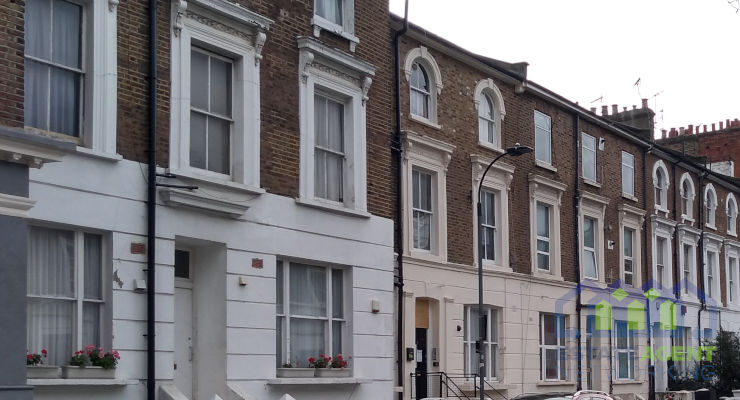
The word ‘period’ has a tendency to be used in a very broad context, so what actually is a period property? Many think of the grandeur and neo-classical stylings, with clean, symmetrical lines of Georgian architecture, whilst others envisage the cornicing, bay windows and patterned brickwork from the Victorian era. Another share of the UK would argue that the light airiness of the Edwardian period is their definition of a period property. A preference in a particular era of period architecture is widely thought to be down to personal fondness and what makes you individually think of as home.
Both period and newly built properties have their advantages and drawbacks, but the underlying question of which is better really depends on a personal level as to what kind of property and lifestyle you are partial towards.
Josh Cousens – abbotFox

You May Also Enjoy

Renting an Apartment for Streaming and Gaming: What to Check Before Paying the Security Deposit

London rents outperform property values

Rental property availability falls
Average advertised rents surpass £1,400 for the first time

Barclays unlocks wider mortgage access for company directors