


Problems Caused by Old Finlock Gutters
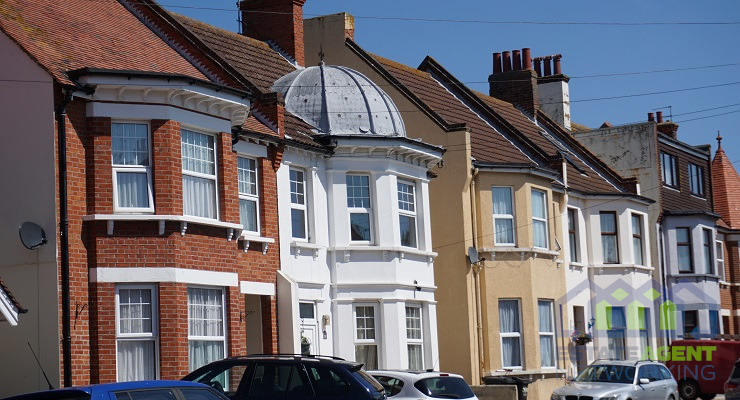
Finlock gutters can come with a lot of issues over their lifetime. Though the majority of issues may occur as the gutters age, Finlock gutters can have a lot of issues across their lifetime. This often leaves homeowners frustrated and having to pay for recurring gutter repairs.
To avoid consistent costs of repairs, it may be worth investing in a Finlock gutter removal to replace the gutters entirely. A concrete gutter replacement can initially be quite expensive but will be the most cost-effective solution in the long run. This is Finlock gutters are a failing system and will always eventually have to be replaced with other gutter solutions.
The Problems
Lining Failure
The main cause for this kind of failure results from the expansion and contraction of the lining because of changes in temperature. The thermal changes can lead to the separation of weak points or at the junctions. As a result of this, the heavy, inflexible troughs of concrete often crack. This creates access points through which water can enter and cause detrimental effects. This kind of failure is particularly problematic and should be addressed immediately as it can be very expensive to rectify.
Cold/ Thermal Bridging
Cold bridging is when cold materials meet warmer ones, resulting in the cooling down of the warmer material. Modern guttering is installed outside the walls of your home, but this was not the case for concrete guttering. The inside of the block will form the top of the outside walls of your home. The outside is then exposed to the elements. If it’s cold, the risk of condensation inside your home increases, as well as damp and mould growth. This would not occur with modern guttering – no part of which would be inside your home.
Cold/thermal bridging can be identified by horizontal grey bands at high levels of the perimeter walls. When there is such a problem, the wallpaper can begin to peel away at the top of your wall.
Alternatively, if the wall is tiled, the tiles could start to become slightly raised and potentially need redoing.
Sagging and Uneven Gutters
Finlock gutters act as door and window opening lintels. However, without adequate filling or strengthening when they’re fixed, they can sag slightly. Sagging can also result from poorly replaced windows, such windows become difficult to close or open. Additionally, sometimes windows cannot handle the weight of the gutters, which also result in sagging, ruining the beauty of your home.
The Guttering Has No Pitch
Modern guttering is tilted to allow rainwater to flow towards the downpipe to be carried away into the drains. However, Finlock guttering was installed on top of level walls. This means the water will sit in the guttering, thereby causing more damage over time. In some cases, rainwater can collect and potentially cause the gutter to collapse in sections.
Failing Mortar Joints
As mentioned above, this allows water to seep through into your brickwork. Over time, it can cause serious damage.
Damp and Mould Inside Your Home
When water seeps through the guttering instead of being carried away from your property, it will affect the fabric of the building. This increases the risk of dampness and mould inside your home and associated health risks.
Damage to Interior Décor
Wallpaper can come away from the walls, water stains and dampness can be seen, and paint finishes can be ruined. However, redecorating is a waste of time as the problem will return to ruin new décor unless the gutters are replaced entirely.

You May Also Enjoy

35% of UK homes are in postcode areas where house prices are falling

Budget wishlist

Autumn Budget 2026: Property industry experts comment
5 Renovations That Can Transform a Property Before It Goes on the Market
Seven things to do if a tree damages your property
