Radiator Covers and How to Cut Heating Costs
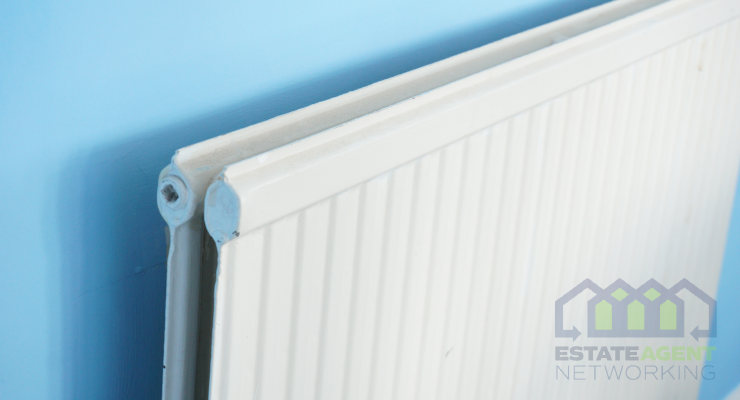
Radiator covers are a great way to cut heating costs in your home. Not only do they add an aesthetically pleasing touch to your home decor, but they also help to trap heat and reduce energy waste. In this blog post, we’ll discuss the benefits of radiator covers and how they can help you reduce your heating costs.
Benefits of Radiator Covers
Radiator covers provide several benefits for homeowners and building managers. These benefits include:
Aesthetics:
Modern radiator covers can enhance the appearance of a room by concealing unsightly radiators and blending in with the decor. They come in a range of styles, finishes, and materials, allowing homeowners to choose a cover that complements their interior design.
Safety:
Radiator covers serve as a barrier between the hot radiator and anyone who might come into contact with it, reducing the risk of burns and other accidents. They also prevent curious children and pets from accessing the radiator, which can be hot enough to cause serious injury.
Energy Efficiency:
Radiator covers can help to improve the efficiency of heating systems by reflecting heat back into the room and preventing it from escaping through the walls. This can result in lower energy bills and a more comfortable living environment.
Space Saving:
Radiator covers can provide additional surface space in a room, which can be used for displaying decorative items, books, or plants. This can be particularly useful in small apartments or homes where every inch of space is valuable.
Noise Reduction:
Radiator covers can help to reduce the noise generated by radiators, which can be particularly beneficial in bedrooms, offices, and other quiet areas.
Protection:
Radiator covers can protect walls and furniture from damage caused by heat and moisture, which can be particularly useful in high-traffic areas or homes with pets and children.
Lowering the Cost of Radiator Usage in the Home
Radiators are a common source of heating in many homes, but they can also be a source of high energy bills. Fortunately, there are several ways to reduce the cost of radiator usage in the home.
Insulate your home:
Insulating your home will reduce heat loss through walls and windows, meaning that your radiators won’t have to work as hard to maintain a comfortable temperature. You can insulate your home by adding draft excluders to doors and windows, and by adding insulation to walls and the attic.
Set the thermostat correctly:
Setting the thermostat correctly can significantly reduce the cost of radiator usage. During the winter months, keep the thermostat set to between 18-21°C. Lowering the temperature by just 1°C can reduce your heating bill by around 8%.
Use radiator reflector panels:
Radiator reflector panels can be placed behind radiators to reflect heat back into the room, reducing the amount of energy needed to heat the space.
Upgrade your radiators:
Upgrading your radiators to more efficient models can help reduce the cost of radiator usage. For example, column radiators are more efficient than traditional flat panel radiators, as they have a larger surface area for heat dissipation. If you’re radiators are older, they’re probably inefficient and you can get cheap radiators from Tradeplumbing.co.uk and others these days that will greatly increase efficiency.
Use radiator valves:
Radiator valves allow you to control the temperature of individual radiators, so you can turn off radiators in rooms that aren’t being used. This will reduce the amount of energy needed to heat your home, and therefore lower your energy bills.
Bleed your radiators:
Bleeding your radiators regularly can help improve their efficiency by removing any air that has become trapped in the system. This will ensure that your radiators are working to their full potential, reducing the amount of energy needed to heat your home according to here https://www.corgihomeplan.co.uk/
Final Thoughts
In conclusion, radiator covers are a great way to cut heating costs and make your home more energy-efficient. They offer a range of benefits, including trapping heat, reducing energy waste, and adding a touch of style to your home. If you’re looking for an easy and affordable solution to reduce your heating costs, consider installing radiator covers in your home.

You May Also Enjoy

Breaking Property News 27/10/26

35% of UK homes are in postcode areas where house prices are falling

Budget wishlist

Autumn Budget 2026: Property industry experts comment
5 Renovations That Can Transform a Property Before It Goes on the Market