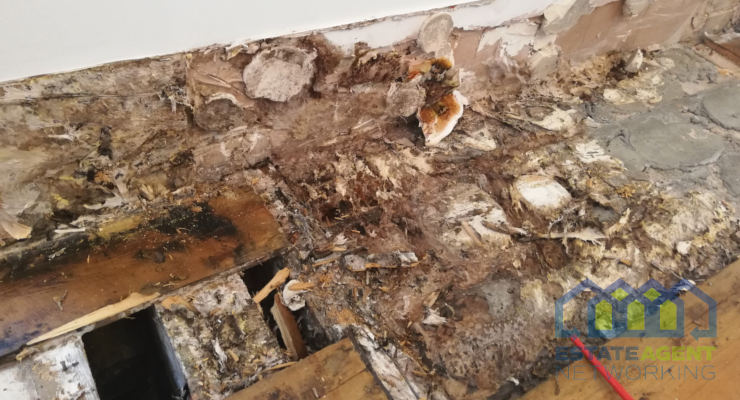
Preventative Measures to Reduce the Risk of Emergencies in a Rental Home

Ensuring that a rental home is safe and well-maintained is essential for both landlords and tenants. Emergencies in a rental property can lead to significant stress, financial loss, and potential damage. However, by implementing preventative measures, landlords and tenants alike can reduce the risk of emergencies and create a safer living environment. This guide provides an in-depth look at essential steps to help prevent common emergencies in rental properties, with valuable insights for landlords, tenants, and estate agents in Eastbourne and beyond.
1. Regular Property Inspections
Routine property inspections are fundamental in identifying potential hazards before they turn into emergencies. Estate agents in Eastbourne often recommend landlords carry out bi-annual or quarterly property checks to ensure that all areas of the property are in good condition. These inspections help spot issues early, enabling landlords to fix minor problems before they escalate into major emergencies.
Inspection Essentials:
– Roof and Guttering: Check for any missing tiles, leaks, or blockages.
– Windows and Doors: Ensure proper sealing, secure locks, and good insulation.
– Plumbing: Look for signs of leaks or corrosion.
– Electricals: Test for any flickering lights or malfunctioning outlets.
2. Fire Safety Precautions
Fire safety is a critical aspect of maintaining a safe rental home. Both landlords and tenants must take proactive measures to minimise fire risks. Estate agents in Eastbourne recommend equipping rental homes with essential fire safety tools and educating tenants on fire prevention.
Landlord Obligations:
– Install smoke detectors in key areas such as hallways and kitchens, and ensure they are tested regularly.
– Provide fire extinguishers and fire blankets, especially in high-risk areas like the kitchen.
– Ensure that fire alarms comply with current safety regulations.
Tenant Responsibilities:
– Do not overload electrical sockets.
– Keep flammable items away from heat sources.
– Report any malfunctioning smoke detectors or fire safety equipment to the landlord immediately.
3. Electrical Safety Measures
Electrical hazards can lead to serious emergencies, such as fires or electrical shocks. Landlords should ensure that all electrical systems meet safety standards and that the property undergoes regular electrical safety inspections.
Steps for Electrical Safety:
– Schedule an Electrical Installation Condition Report (EICR) every five years or as required.
– Replace outdated wiring or faulty electrical panels.
– Ensure that appliances provided by the landlord are in good working order and free of defects.
Tenants should be mindful of electrical safety by avoiding overloading outlets and reporting any signs of electrical problems, such as sparking sockets or buzzing noises.
4. Plumbing Maintenance
Water damage can be highly disruptive and costly, making plumbing maintenance an essential preventative measure. Estate agents in Eastbourne stress that addressing plumbing issues early can save time, money, and stress for both parties involved.
Landlord Recommendations:
– Conduct annual plumbing checks to ensure there are no leaks, blockages, or corrosion.
– Install pipe insulation to prevent freezing and bursting during colder months.
– Regularly maintain water heaters and check for any signs of rust or failure.
Tenant Tips:
– Avoid flushing non-biodegradable items down the toilet.
– Be cautious of what goes down the sink to prevent clogs.
– Report any leaks, drips, or unusual sounds coming from pipes or fixtures immediately.
5. Heating and Ventilation
A well-functioning heating and ventilation system is vital for both safety and comfort. Poorly maintained systems can lead to dangerous situations, such as carbon monoxide build-up or increased mould growth.
Preventative Maintenance:
– Landlords should service boilers and heating systems annually to ensure they are in proper working condition.
– Install carbon monoxide detectors to detect any potential leaks.
– Ensure adequate ventilation throughout the property, including kitchens and bathrooms, to prevent dampness and mould.
Tenants should regularly clean filters and report any signs of malfunction or inadequate heating to the landlord.
6. Pest Control Measures
Pests can cause significant damage to a property and pose health risks. Preventing pest infestations requires cooperation between landlords and tenants.
Prevention Strategies:
– Landlords should seal any cracks or openings that could serve as entry points for pests.
– Arrange for regular pest control inspections, especially if the property is in an area prone to infestations.
Tenant Best Practices:
– Keep the property clean, particularly the kitchen and dining areas.
– Store food in sealed containers and dispose of rubbish regularly.
– Report any signs of pests, such as droppings or gnawed wires, as soon as they appear.
7. Flood and Weatherproofing
While Eastbourne may not experience extreme weather as frequently as some areas, flooding and high winds can still occur. Landlords and estate agents in Eastbourne need to take precautions to ensure that rental homes are prepared for unexpected weather conditions.
Landlord Tips:
– Install flood barriers in properties located in flood-prone areas.
– Ensure that the drainage system is effective and unobstructed.
– Reinforce doors and windows to withstand strong winds.
Tenant Preparation:
– Know the property’s emergency evacuation plan.
– Keep emergency supplies, such as bottled water, flashlights, and a first aid kit, readily available.
8. Educating Tenants on Emergency Protocols
Education is a key element of prevention. Providing tenants with clear instructions on how to handle emergencies can minimise potential damage and improve safety.
Landlord Actions:
– Share an emergency contact list that includes details for local plumbers, electricians, and other key services.
– Offer a comprehensive guide on how to turn off the water, gas, and electricity in the event of an emergency.
Tenant Responsibilities:
– Familiarise yourself with emergency exits and protocols.
– Review the guide provided by the landlord and keep it in an accessible location.
9. Insurance and Legal Safeguards
Both landlords and tenants should be covered by appropriate insurance policies. Understanding legal responsibilities can help avoid disputes and ensure both parties know their roles in emergency prevention.
Insurance Points:
– Landlords should have comprehensive insurance that covers property damage, liability, and unforeseen emergencies.
– Tenants should consider renters’ insurance to protect their personal belongings.
Legal Considerations:
– The tenancy agreement should clearly outline the maintenance responsibilities of both the landlord and tenant.
– Estate agents in Eastbourne can help landlords draft clear contracts that include emergency procedures and obligations.
10. Routine Upkeep and Quick Repairs
Routine maintenance and prompt repairs can prevent minor issues from turning into major problems. Landlords should be proactive in maintaining the property, while tenants should report any concerns as soon as they arise.
Landlord Checklist:
– Replace worn-out roofing materials to prevent leaks.
– Ensure the foundations and walls are crack-free.
– Respond to maintenance requests promptly to avoid escalation.
Tenant Best Practices:
– Maintain a clean and tidy living environment.
– Notify the landlord immediately if any issue arises, no matter how minor it may seem.
Conclusion
Preventing emergencies in a rental home is a shared responsibility that benefits both landlords and tenants. By following the preventative measures outlined above, rental homes in Eastbourne and beyond can be kept safe and well-maintained. Estate agents in Eastbourne can play a pivotal role in advising landlords on the best practices for maintaining their properties and ensuring tenant satisfaction.
Implementing these measures not only protects the property but also fosters a trusting relationship between landlords and tenants. Prioritising safety and proactive maintenance will ensure that rental properties remain secure and comfortable, reducing the risk of emergencies and creating peace of mind for everyone involved.

You May Also Enjoy

Seven things to do if a tree damages your property

Leasing demand rises across all sectors
Don’t Put The Property Market On Pause
Before You Sign: 10 Things Home Movers Wish They Knew

Property expert warns homeowners to lock in amid mortgage rates uncertainty