The Challenges of Selling a Shared Ownership Home
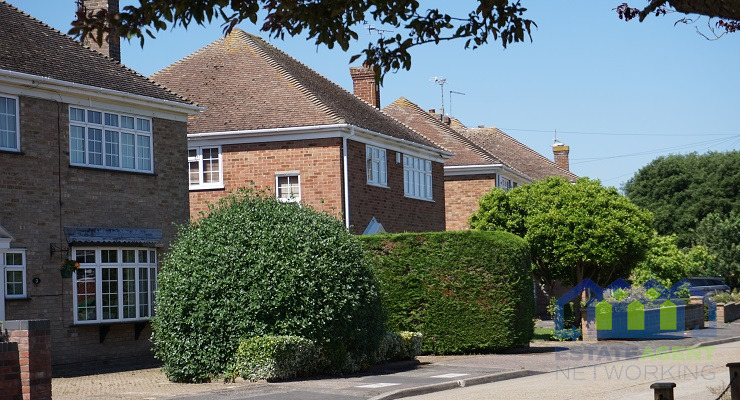
Selling a shared ownership home presents unique challenges compared to selling a fully owned property. Shared ownership schemes, designed to help people get onto the property ladder, allow buyers to purchase a portion of a home (usually between 25% and 75%) and pay rent on the remaining share. While this can make homeownership more affordable, it complicates the resale process.
For sellers, understanding the intricacies of shared ownership, navigating the restrictions involved, and managing buyer expectations are all critical aspects of successfully selling a shared ownership property according to property experts like estate agents in Orpington. In this article, we will explore the challenges you might face and how to overcome them.
1. Understanding Shared Ownership and Its Impact on the Sale
Shared ownership properties involve partnerships between the homeowner and a housing association or similar organisation. When you own a share of the property, the housing association retains ownership of the remaining portion, which creates certain obligations and restrictions on selling.
a. The Role of the Housing Association
The housing association plays a significant role in the sale of your shared ownership property. In most cases, you can’t sell your home freely on the open market like a traditional property.
Resale Restrictions: Typically, housing associations have the right to market the property first, usually for a set period (commonly eight weeks), before you can offer it to the open market. This is to help others in need of shared ownership housing find a suitable property.
Approval Process: The housing association must approve the sale and will often have conditions or criteria that the new buyer must meet. This can slow down the selling process as the association will need time to evaluate potential buyers and ensure they meet the eligibility requirements for shared ownership.
b. Valuation Process
When selling a shared ownership property, the housing association will require a formal valuation by a RICS-certified surveyor to determine the current market value of the entire property, not just your share. This valuation is important because it determines the sale price of your share.
Impact on Sale Price: If property values have risen since you purchased the home, your share may be worth more than you originally paid, which can work in your favour. However, if the market has declined, you may find it challenging to sell at a price that covers your mortgage and costs.
2. Marketing Challenges and Buyer Awareness
Shared ownership homes are not as widely understood as fully owned properties, which presents a marketing challenge. Many potential buyers may not be aware of how shared ownership works, leading to misconceptions or hesitations when considering such a property.
a. Explaining the Shared Ownership Model
When selling a shared ownership property, it’s important to clearly communicate how the scheme works. Buyers need to understand:
- The percentage they will own and the rental payments on the unsold portion.
- The stair casing process and how they can increase their share in the future.
- The responsibilities of the housing association and how they will interact with it.
Without a clear explanation, potential buyers may be hesitant to pursue the property, further limiting the pool of interested parties.
b. Limited Reach
The housing association often controls much of the marketing process during the initial period. They may have established marketing channels, but these are often limited compared to listing a home on the open market. After the set period (e.g., eight weeks), if the property has not sold, you may have the opportunity to list it more broadly, but by then, valuable time may have passed.
3. Leasehold Complications
Shared ownership properties are typically leasehold, which comes with its own set of challenges. Leaseholders must pay ground rent and service charges, and these fees can increase over time. Additionally, the remaining length of the lease can impact the property’s saleability.
a. Service Charges and Ground Rent
When selling a shared ownership property, buyers will want to know the details of any service charges, maintenance fees, and ground rent obligations. High fees can make the property less attractive, especially if buyers are already balancing mortgage and rent payments.
b. Lease Length
As with any leasehold property, the remaining length of the lease is crucial. If the lease is approaching 80 years or fewer, potential buyers may be deterred due to the costs associated with extending the lease. Extending the lease can be expensive, and the process itself can be time-consuming.
4. Stigma Around Shared Ownership
Shared ownership homes sometimes carry a stigma, with potential buyers associating them with lower-income or first-time buyers only. This perception can make it harder to market the property and attract a broad range of buyers.
Overcoming Stigma: Address this stigma by highlighting the benefits of shared ownership, such as lower deposit requirements, the option to staircase, and the potential to fully own the property over time.
Final Thoughts
A significant challenge in the selling of shared ownership homes is the inherent ones mentioned above, such as the very formalistic legal requirements that have to be met and the limited eligibility and restricted pools of potential buyers. Sellers have to facilitate the involvement of housing associations, valuation procedures, and other marketing issues. This may raise some complexity in the sale, but knowing them and working well with the housing association will help to smooth the process.
With clear transparency on shared ownership to buyers, explaining the benefits of the scheme, and preparations for potential delays, sellers stand better chances of selling. However, navigating the hardships of selling with shared ownership is something that requires a lot of patience and flexibility.

You May Also Enjoy

Breaking Property News 27/10/26

35% of UK homes are in postcode areas where house prices are falling

Budget wishlist

Autumn Budget 2026: Property industry experts comment
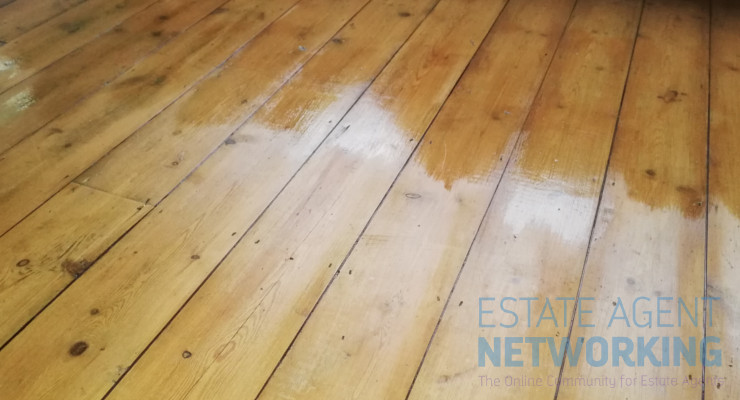
5 Renovations That Can Transform a Property Before It Goes on the Market