Top 5 Reasons Why Signage Still Matters.
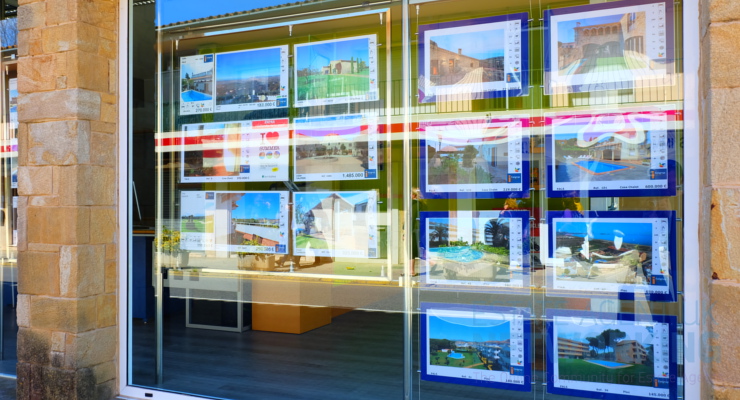
There seems to have been a seismic shift in recent years for companies to migrate everything ‘on brand’ online. However signage for high street stores, showrooms and businesses is thriving in both the corporate and property market. Having good branding is what you stand behind day in day out, wherever that may be. Here are our top 5 reasons why physical signage still matters to your customers, and therefore by definition, you.
1. Your sign sells you
If you have a physical high street presence, think of your shop sign or signage as the best way to tell the outside world about your business. Telling people who your company is, what you do, and most importantly why they need you. But the difference between a sign and a sales person is that you can leave the sign outside in the rain without worrying about it getting pneumonia.
Good signage acts as the gateway to your business. It doesn’t rely on people trawling through the internet to find your kind of service, hefty SEO or targeted marketing. Instead, it says ‘We’re here! Come inside and speak to us!’
2. Your brand in the blink of an eye
Imagine that tomorrow you turned up to your place of work in your pyjamas – your customers and colleagues may not take you very seriously. Don’t worry, we’re not expecting you to do this on your next Dress Down Friday, but always remember first impressions count and signage is often your first one.
A shop or a sign in its own right has to convey a lot of information in a glance. So treat signage as your elevator pitch. If that pitch is successful, the customer carries on looking for visual clues as to whether they like you, if they can trust you and what you can do for them once they’ve stepped inside. If not, you may have lost the business to a rival.
Effective signage is your brand identity, your trustworthiness and your calling card all rolled into a visual voice, and it needs to be consistent, clear and concise throughout. But when it is done right it draws in the right customers for your business and keeps them interested.
3. It’s all about being seen
In the words of Kirstie Allsopp ‘online is not the same as with your own two eyes’. Despite the rise in online property websites we still see numerous estate agents’ boards dotted around our neighbourhoods. The boards provide visibility and clear calls to action to the passer by or the neighbourhood in general, telling them that: ‘this house is for sale and this is where you can get more info – want to sell your house? Call us too!
Get customers and advocates ‘on board’
Boards captures the attention of a wide range of people, such as: people who aren’t looking online for a property; people who aren’t actively house hunting; and Sheila from number 24 who knows her niece is looking for someone to buy or rent and passes the details on. This referral is potentially more purchasing power than a traditional Google search by someone who has no brand loyalty at that stage in their vendor decision process.
Also, when Sheila doe come to sell she may also remember you; win win. Also seeing a number of boards for the same agency says to people that they are the place to go to buy or sell a property, acting a mass advertising for that company using existing collateral. The age of the ‘boring board’ are also over, there are so many different sign options these days you can well and truly put your personal brand on people’s doorsteps.
4. Keeping up with the Jones
Changing trends play a large part in the signage world, and it is a good example of an area where the traditional is enhanced by the digital. For example, the use of effective window displays that use dynamic screens with scrolling images give customers a more dynamic, 360 degree view of what the company does or the product that they are selling, even when their sales guys are fast asleep.
Another example of changing trends would be around defining your unique value propositions – Offline branding can truly set you apart. With modern printing processes you can pretty much do anything with offline signage in terms of layout, colours and style, and you don’t have the same restrictions to adopt trends that you sometimes do when they are translated online. Fortune favours the brave, so be bold with your design.
5. Don’t just take our word for it
Ok we don’t mean plaster your whole space with signs galore, as there can obviously be too much of a good thing. What we do mean is that effective digital signage software for enterprise often relates to more customer spend, more awareness and more referrals.
In a study commissioned by FedX, researchers found that 76% of people have entered a shop based on the signage, and 68% of polled said that they had bought products after seeing a sign relating to that item or service. So next time you’re competing for marketing budget, show this study to the board.
Conclusion
Consistent, clear and professional signage will not only attract new customers, but it also makes financial and business sense. It can be transformative in terms of edging away from your competition.
The definition of successful branding is about communicating your values and vision to your target markets to attract, maintain and grow a loyal customer based. Part of that communication methodology is about being seen consistently, online and off. So the use of effective offline signage, from shop front to front garden, should never be undervalued.
Over to you – ask people what they think your signage says about your business.
_______________
T 01635 46125
E sales@kremersigns.co.uk
W www.kremersigns.co.uk

You May Also Enjoy

Seven things to do if a tree damages your property

Leasing demand rises across all sectors

Don’t Put The Property Market On Pause
Before You Sign: 10 Things Home Movers Wish They Knew

Property expert warns homeowners to lock in amid mortgage rates uncertainty