What Does the Recession Mean for UK Estate Agents?
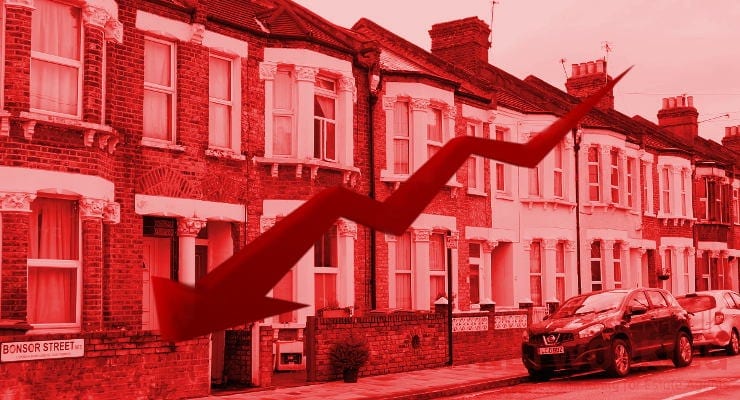
The UK’s Estate Agency sector has been enjoying a flurry of activities in recent times. But there may be trouble up ahead. With inflation remaining at just under 10%, rising interest rates and rising costs of living resulting in reduced real wage values, economic experts are on the alert for a downturn in the UK’s economy towards the end of 2022. Undoubtedly, such a recession, if it occurs, would affect all aspects of economic life in the UK, including the property industry. But what exactly does the recession mean for UK estate agents?
Recession and Uncertainty in the Real Estate Industry
Jason Harris-Cohen, Managing Director of Open Property Group believes that “the primary concern currently is that a recession can trigger uncertainty in the property market triggered by factors such as increasing costs of living. When tenants and buyers struggle to survive due to higher costs of living, there is likely to be an increase in the volume and occurrence of arrears and of course a downturn in sales.”
Impacts for the Property Industry
This has worrying consequences for estate agents. Agents representing landlords, for instance, may lose clients as many may opt to reduce their participation in the industry or decide to leave the industry altogether. In fact, the most recent data indicates that this is a prevalent concern among the UK’s estate agents. Data collected during a recent survey of UK estate agents shows that the industry has already started to feel the impacts of the economic contraction as some agents reported a 10% reduction in their rental clientele and many are anticipating continued exodus from the industry in the months to come.
Of course, a reduced client pool means a more competitive marketplace for real estate agents. The agents who survive such an environment will be those who manage to continue to attract and keep clients.
Preparing for the Tough Times
But it isn’t all doom and gloom of course. Estate agents who prepare for the economic downturn are more likely to survive the spinoff effects. Some measures that agents could consider include more aggressive client recruitment and strategic moves that capitalise on the opportunities that may arise during this period.
While the outlook isn’t exactly certain at this point, the UK’s economy is bracing for yet another recession. Estate agents need to be prepared to face and rise above the uncertainty and challenges that it could bring to the industry.

You May Also Enjoy

Breaking Property News 27/10/26

35% of UK homes are in postcode areas where house prices are falling

Budget wishlist

Autumn Budget 2026: Property industry experts comment

5 Renovations That Can Transform a Property Before It Goes on the Market