Why You Shouldn’t Wait For Home Prices to Increase In 2022
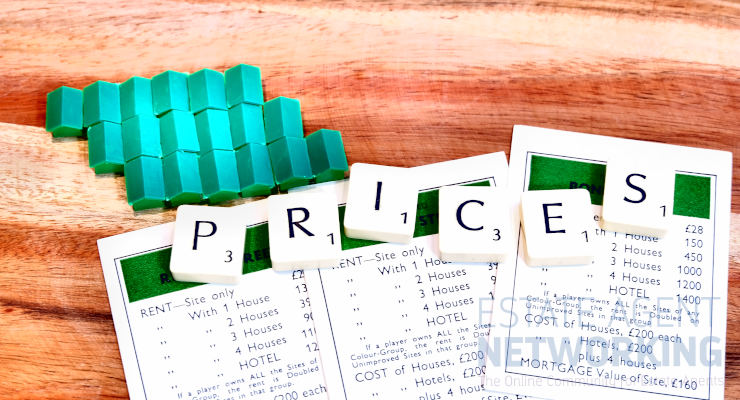
One of the most common questions is, “What happens when the housing market starts to recover?” It’s a valid question. After all, it seems like a no-brainer that home prices will increase after years of steady depreciation.
Then why not just wait it out? Homeowners can likely wait until 2022, when they can sell their homes and make lots of money. Yet this assumes a few things which may or may not be true:
Home prices are rising faster than mortgage rates.
“Home prices are rising faster than mortgage rates,” and experts predict they will rise even higher in the next few years. If you have been waiting until you think home prices will drop, it’s time to stop the waiting game and start the home buying process.
Therefore, it’s important to take advantage of the current low housing market interest rates and start shopping for your dream home before prices go even higher.
According to Freddie Mac data, mortgage rates are at an all-time low, currently at 3.1%. In contrast, Realtor’s data showed that the median price of a new listing is up 11% from last year.
So, suppose you wait until 2022 for prices to decrease. You could miss out on a great opportunity to save thousands of dollars each year just by refinancing your mortgage rate or buying a new home with a lower interest rate than what is currently available.
And, mortgage brokers say that rates will likely go up by then anyway, so it’s best not to wait too long before locking in your rate.
Don’t wait for “perfect timing.”
Speaking of which, brokers also have a piece of mortgage advice – “Don’t wait for “perfect timing.”
Because as you can see, it’s not a secret that homes are getting more expensive. The average sales price of a home is up nearly 15 percent from last year. But average home prices could get even steeper in 2022, based on recent forecasts from the Mortgage Bankers Association and Fannie Mae.
And according to the MBA’s most recent forecast, homes will be another 2.5 percent more expensive by the end of 2021 and then 4.2 percent more expensive by the end of 2022.
Moreover, Fannie Mae’s experts say homes will be about 3 percent more expensive by 2021 and 5 percent more expensive by 2022. (Fannie Mae’s economists also say that mortgage rates will increase slightly over the next few years).
So, if you’re thinking about buying a home in 2022, you might consider waiting for prices to drop before you move. But based on these latest forecasts, it doesn’t appear they will drop – at least not much – in 2022.
In fact, if you’re hoping to buy a home on an entry-level budget (less than $150,000), you might want to consider moving quickly. The National Association of Realtors says housing inventory is down nearly 37% from last year. And the median price of existing homes rose almost 12% in March compared with the same month the previous year. That’s a double whammy against buyers trying to get into the market for less than six figures.
It will limit your choices.
As mentioned above, prices are expected to rise in 2022. If you’re waiting for prices to come down, you might also find yourself without choices.
The cost of a home is made up of two elements: the price and your interest rate. The interest rate affects the monthly payment. As rates go up, so do fees. And when they drop, charges follow.
When rates are low, as they are now (at or below 3 percent on a 30-year fixed), it means your payment is also low relative to home prices. When rates rise, as they will, likely by 2022 (I predict 4 percent), your payment will also increase relative to home prices. That’s why, even if prices stay the same in 2022, it’ll be more expensive for you to buy a home.
Hence, the longer you wait, the less flexibility you have in your housing options and the higher the likelihood that prices will rise beyond what you can afford.
So why not just wait until prices come down? Many people think that’s possible – especially in highly desirable areas where prices are already high.
But real estate markets don’t usually work like that – at least not in places where demand exceeds supply. And Bolt Mortgages knows this better than anyone. Buyers who want to move now must be willing to make offers and compete with other buyers to get their dream home.
And the main reason home prices won’t go down is that sellers simply don’t want to lower them – they’ll just stay off the market, waiting for higher prices later on.
Conclusion:
Overall, there are plenty of reasons why waiting for the home-price rebound might not be the best bet. But those who don’t want to buy in 2022 would still be wise to prepare. If you’re going to stay put and make your current home more attractive to prospective buyers, you have many options.
And even if you’re eager to trade up, now’s still a great time to start planning and saving for a down payment on your next home – especially if mortgage rates remain low.

You May Also Enjoy
Mortgage overpayments in a confident market
House price growth remained subdued in August
What Adds Three Weeks to Leasehold Conveyancing?

Bank of England Money and Credit Report July 2026

Breaking Property News 1/9/26