


15 External Factors which can affect your House Value
May 13, 2022

If we take a look at what lays outside of your property and your boundary to include your kerb appeal, there are many external factors which can either positively or negatively effect the value of your property / the property you are looking to buy / rent.
- Supply & Demand: If the market is busy yet stock low then it is likely that your property will increase in value. Increasing interest rates, more stock and fewer buyers will lead to a steady market or even a decline in prices.
- Economy: What is the current climate of the economy as if it is negative then it is likely that cash is king thus house prices not at their premium, if the economical is vibrant then property prices will be buoyant also.
- Names: By naming your property you could be adding value. You do not need permission to name your own property, you just need to register with the post office if you wish to use the name in official correspondence.
- Fast Broadband: Internet access is important to nearly all of us and many people these days will check on broadband speed in the neighbourhood. If you have super fast broadband then it can add appeal / value to your property.
- Local Shops / Hospitality / Leisure Amenities: If you have desirable places to visit locally then this can add value to your property especially the go to trendy outlets such as coffee shops, wine bars, restaurants and golf clubs. Negatively, price wise, you can be located close to less than desirable outlets such as Primark and McDonalds.
- Views: Does your property hold amazing views? Can you see a touch of the sea from that Velux window in the loft? A property with great views is likely to appeal to a wider audience thus command a better price over those without.
- Schools: Research shows that parents in England are willing to pay around £52,000 to buy a home which secures their children a spot at one of the UK’s top schools, instead of moving near a school with an Ofsted Grade 3. source housebeautiful
- Local Infrastructure: How accessible is your property to travel routes out to top destinations? Are their local bus routes, is there a train station (does it go direct to London)? Is there much traffic, congestion?
- Parking: Is there decent parking on your road? Are their yellow lines / parking permits / double yellow? Are there too many parked cars? Are the roads tight to manoeuvre through due to parked cars?
- Crime Stats: How are the local crime rates? A high crime rate might put off buyers or at least cause a decrease in property value.
- Flood Risks: Research indicates that flooding has only a temporary impact on property values, and after 3 years prices had returned to their normal market level. While flood events in low risk areas had no impact on property prices, being designated at high risk of flooding also has had no effect on property values in areas with no flood events. source isurv
- Neighbourhood: Is the local neighbourhood good or bad? Does the local council look after the needs of local residents? Are their noisy / troublesome neighbours?
- Airports: Have you easy access to one of the country’s main international airports? Is it a 30 minute drive which could be a great plus to the value of your property or is it closer so the noise pollution becomes a problem and devalues your property?
- History: Your property history might have an effect on its value. Did someone famous once live in it (does it have a blue plaque outside)? Was there once a crime committed in it that made the headlines? Is it known to be haunted?
- Estate Agent: Oh yes, depending on the estate agent you use, your property price could be effected. With estate agents it is usually the case of you get what you pay for and it will pay you to research which are the better agents locally. A top local estate agent will provide better marketing to include photography, better placement online for your property listing and usually attract better buyers.

You May Also Enjoy

Budget wishlist
Kevin Shaw, National Sales Managing Director at LRG With the Budget just days away, the property market is in a slightly better place than it was this time last year. Stamp Duty has been ruled out of this year’s changes, which removes the kind of speculation that held buyers and sellers back last autumn. The…
Read More 
Autumn Budget 2026: Property industry experts comment
Ahead of Wednesday’s Autumn Budget, property industry experts from across the residential sales, lettings, land and property development, mortgage finance and client money protection sectors have shared their predictions, priorities and warnings for the Chancellor. With speculation surrounding property taxation, first-time buyer support, landlord investment, inheritance tax and housebuilding, industry leaders outline what Wednesday’s announcements…
Read More 
5 Renovations That Can Transform a Property Before It Goes on the Market
Ask a vendor what they plan to fix before listing and the answer is often too ambitious. A loft conversion won’t be finished in time, and it rarely pays back on a quick sale. The changes that actually move a listing are smaller and cheaper, and they show up in the photos. Here are five…
Read More 
Seven things to do if a tree damages your property
Storm Austen and Storm Boelo are bringing strong winds and heavy rain across the UK this weekend, meaning homeowners could find themselves dealing with fallen trees, damaged roofs, crushed cars and difficult conversations with neighbours about who should pay. But what should you do if a neighbour’s tree comes crashing through your roof? Will your…
Read More 
Leasing demand rises across all sectors
Leasing demand rises across all sectors as investment enquiries remain subdued Leasing enquiries rose across all four main commercial property sectors in the third quarter of 2026, while investment enquiries fell in three, according to Rightmove’s latest Commercial Insights Tracker. The figures point to improving occupier interest alongside a more cautious investment market. Industrial property…
Read More 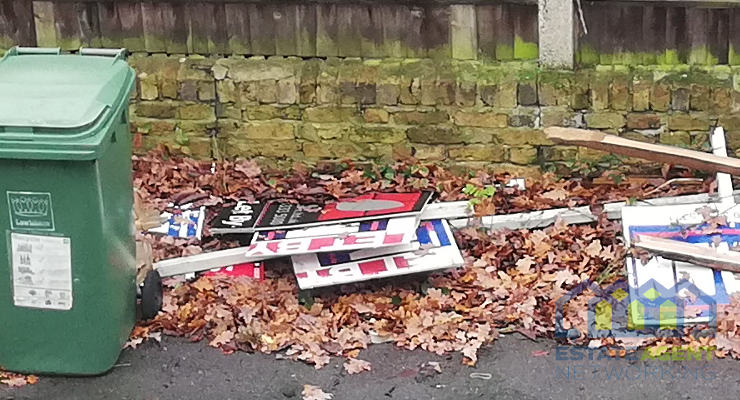
Don’t Put The Property Market On Pause
What Estate Agents actually want from the Budget Estate Agents are looking to the looming Budget for something that has been in short supply across the property market in recent years – certainty. That was one of the clearest messages to come out of iamproperty’s recent roundtable attended by agents from across the UK. The…
Read More