Leasehold Lettings Under Pressure: Landlords Blocked from Improving Flats
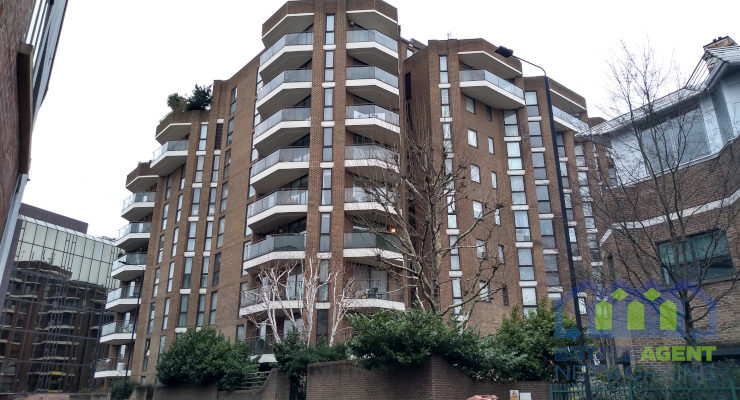
New research from LRG (Leaders Romans Group) reveals that leasehold structures are creating a growing barrier to progress in the rental sector, limiting upgrades, pushing landlords away from flats, and lowering tenant confidence in how buildings are managed.
According to LRG’s most recent Lettings Report, 58% of flats let by landlords are leasehold. Among these, 46% of landlords say their biggest challenge is dealing with service charges, coordinating communal repairs, or having no control over decisions. These limitations are influencing investment decisions. Over a third of landlords, 34%, now say they actively avoid letting flats because of leasehold-related issues or the complexity of building management structures.
The report also shows that 58% of landlords currently let at least one flat, but many are reconsidering their position. Without reform, leasehold lettings could continue to decline. This would reduce the availability of affordable housing at a time when demand is already high.
Tenants are noticing the impact. Only 39% of those surveyed said they had confidence in how their building was managed. While the report did not directly measure attitudes towards landlords, the findings indicate that dissatisfaction in flats is often linked to issues beyond the tenancy itself, particularly the way shared areas are maintained or controlled.
Leasehold restrictions are also affecting landlords’ ability to meet government energy efficiency targets. Half of landlords believe EPC rules should reflect whether leaseholders are legally able to make the necessary upgrades. This echoes concerns raised by Propertymark, which called leasehold restrictions a significant barrier to energy compliance in its consultation response
Costs are a growing concern too. According to UK Finance, the average cost of upgrading a property to EPC band C is around £6,800, rising significantly in older buildings and flats (UK Finance). For landlords in leasehold properties, those works often require permission from freeholders or managing agents, something that cannot be guaranteed.
The NRLA has also warned that the current government timeline to improve the energy performance of rental homes is unrealistic, particularly in properties where consent is needed for building-wide improvements.
Allison Thompson, National Lettings Managing Director at LRG, commented
“Flats are a vital part of the rental market, particularly for first-time renters and young professionals. But many landlords are now telling us they simply cannot meet expectations in these properties because they do not control the wider building. This is not about unwillingness. It is about feasibility. Good landlords want to improve homes, but the leasehold structure often prevents meaningful action. Reform is essential if we are serious about raising standards and giving tenants the homes they expect.”

You May Also Enjoy

Gap between house prices and earnings narrows

New Scheme Could Double Solo Buyer New-Build Options

Annual house price growth halves in September

Homesellers say valuation appointment is key
London’s rental market bucks the national trend