4 Simple Solutions for Business Electricity from Renewable Sources
In today’s world, businesses are increasingly aware of their environmental footprint and the need to transition towards sustainable practices, including sourcing electricity from renewable sources. Renewable energy, derived from naturally replenishing sources, offers a cleaner and more sustainable alternative to traditional fossil fuels. In this article, we explore four simple solutions for businesses to harness electricity from renewable sources, reducing their carbon footprint and contributing to a greener future.
Importance of Renewable Energy for Businesses
Businesses play a crucial role in driving the transition to renewable energy. By embracing sustainable practices, they not only reduce their environmental impact but also demonstrate corporate responsibility, which can enhance brand reputation and attract environmentally conscious consumers. Additionally, investing in renewable energy can lead to long-term cost savings and protection against fluctuating energy prices.
1: Installing Solar Panels
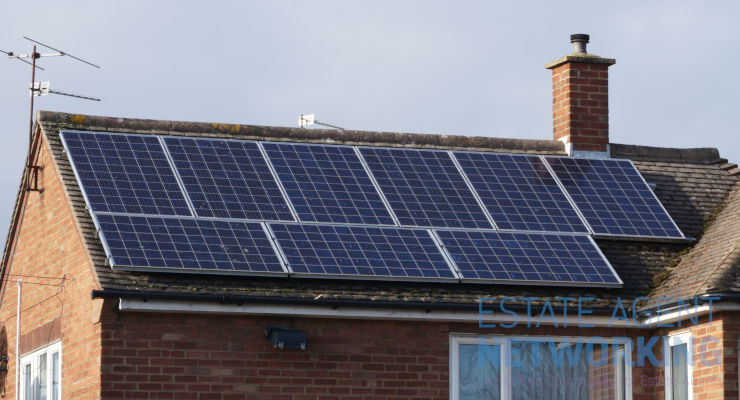
Solar energy is one of the most abundant and accessible renewable resources available to businesses. By installing solar panels on rooftops or vacant land, businesses can generate their electricity and reduce reliance on the grid. Advances in solar technology have made it more affordable and efficient than ever before, with the added benefit of potential revenue through selling excess energy back to the grid.
2: Wind Turbines
Wind power is another viable option for businesses looking to diversify their energy sources. Wind turbines, whether onshore or offshore, harness the kinetic energy of the wind and convert it into electricity. While initial setup costs can be significant, wind turbines offer a reliable and consistent source of energy, particularly in regions with favorable wind conditions.
3: Hydroelectric Power
Hydroelectric power utilizes the energy of flowing water to generate electricity. Businesses situated near rivers or streams can install hydroelectric turbines to produce clean, renewable energy. Unlike solar and wind power, hydroelectricity provides a constant source of energy, making it highly reliable for businesses with consistent water flow.
4: Biomass Energy
Biomass energy involves converting organic materials such as wood, agricultural residues, or municipal waste into biofuels or biogas. Businesses can utilize biomass boilers or biogas plants to generate heat and electricity while reducing waste and greenhouse gas emissions. Biomass energy offers a sustainable solution, particularly for industries that produce large quantities of organic waste.
Cost Comparison and Savings
Although the upfront costs of renewable energy systems may surpass those of traditional energy sources initially, businesses stand to gain substantial long-term savings. Through self-generation of electricity, they can effectively slash or eliminate energy bills altogether and even generate additional income via feed-in tariffs or renewable energy certificates. For tailored advice on how your business can navigate the transition to renewable energy and maximize savings, consider consulting the expertise offered by businesselectricityprices.org.uk. Their insights and resources can empower businesses to make informed decisions that align with their financial goals and sustainability objectives.
Environmental Benefits
Switching to renewable energy sources offers numerous environmental benefits, including reduced greenhouse gas emissions, improved air quality, and conservation of natural resources. Businesses can contribute to mitigating climate change and preserving the planet for future generations by adopting clean energy solutions.
Government Incentives and Policies
Many governments offer incentives and policies to encourage businesses to invest in renewable energy. These can include tax credits, grants, rebates, and feed-in tariffs, making renewable energy more financially attractive and accessible for businesses of all sizes.
Challenges and Considerations
While renewable energy offers many advantages, businesses must also consider challenges such as intermittency, storage limitations, and regulatory hurdles. Proper planning and integration with existing infrastructure are essential to ensure the successful implementation of renewable energy projects.
Case Studies of Successful Implementations
Several businesses have already embraced renewable energy solutions and achieved remarkable results. Case studies highlight the diverse applications of renewable energy across various industries and provide valuable insights for businesses considering similar initiatives.
Future Outlook and Trends
The future of business electricity is undoubtedly renewable. As technology advances and costs continue to decline, renewable energy will become even more accessible and widespread. Businesses that proactively invest in renewable energy now will not only reap immediate benefits but also position themselves for long-term success in a rapidly evolving energy landscape.
Transitioning to renewable energy is not only a responsible choice for businesses but also a strategic one. By embracing solutions such as solar, wind, hydroelectric, and biomass energy, businesses can reduce their environmental impact, lower energy costs, and enhance their competitiveness in an increasingly sustainability-focused market.

You May Also Enjoy

Your First-Time Buyer Mortgage Journey

London property values set to fall

London property values set to fall

Second-steppers turn to higher LTV mortgages as deposits fall

Breaking Property News 23/7/26