5 building materials that give home sellers nightmares
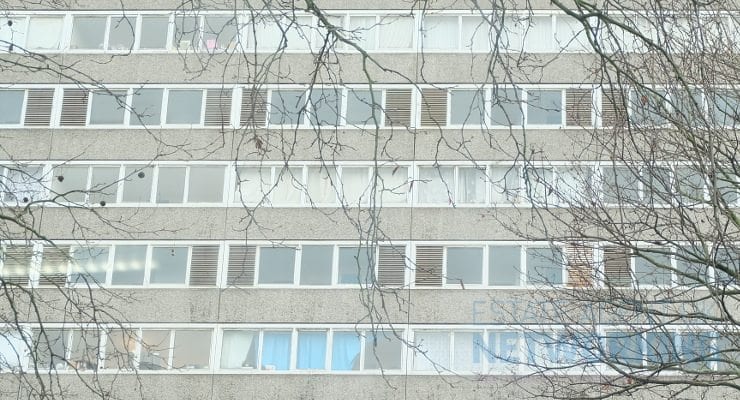
The latest market insight from House Buyer Bureau has highlighted five building materials that can be a nightmare for homeowners, as they severely impact a property’s value, make it difficult to mortgage, and can prevent them from securing a buyer.
House Buyer Bureau analysed some of the most problematic building materials found within UK homes, alongside their estimated impact on property value based on the latest UK average house price of £278,024.
RAAC (Reinforced Autoclaved Aerated Concrete)
Potential value reduction: £139,012
RAAC is currently one of the most concerning construction materials found within UK properties. Used between the 1950s and 1990s, it is essentially a lightweight form of concrete that can deteriorate significantly over time, raising concerns around structural failure.
Although the exact number of affected homes across the UK has been difficult to quantify, Scotland in particular has been impacted, with an estimated 3,700 homes thought to contain the material.
Many lenders require specialist surveys before even considering a mortgage application, whilst remediation costs can be substantial. In the most severe cases, affected properties can become virtually unmortgageable.
Based on current average house prices, House Buyer Bureau estimates that the presence of RAAC could reduce a property’s value by around 50%, equivalent to £139,012.
Non-standard construction
Potential value reduction: £83,407
In the UK, there are an estimated 1.5 million non-standard construction houses. These are built using non-traditional construction methods, such as certain timber-framed systems or Precast Reinforced Concrete (PRC) structures, and can present significant challenges when it comes to obtaining finance.
Some construction systems have known structural defects, whilst many lenders remain cautious due to concerns surrounding durability and future resale value.
As a result, non-standard construction properties can see values reduced by around 30%, equivalent to £83,407 based on the current average UK house price.
Spray foam insulation
Potential value reduction: £69,506
Spray foam insulation has become one of the biggest mortgage-related issues facing UK homeowners, and estimates suggest as many as 250,000 homes could be affected.
Whilst often marketed as an energy-saving upgrade, many lenders remain cautious about properties where spray foam has been applied directly to roof timbers. Concerns include hidden roof defects, reduced ventilation, and timber decay.
As a result, some lenders refuse to lend altogether, whilst others require specialist reports or removal before approving a mortgage application.
House Buyer Bureau estimates that spray foam insulation can reduce a property’s value by as much as 25%, or £69,506.
Mundic block
Potential value reduction: £69,506
Primarily found in Cornwall and Devon, and thought to impact thousands of properties, Mundic block is a historic building material produced using mining waste.
Over time, the aggregate within the block can break down when exposed to moisture, causing cracking, structural weakening, and concerns over long-term stability.
Whilst some properties remain mortgageable following specialist testing, severely affected homes can be difficult to finance and sell, with average value reductions estimated at around 25%, equivalent to £69,506.
Asbestos
Potential value reduction: £41,704
Despite being banned in the UK, asbestos remains present in many homes built before 2000, with an estimated 2 million homes potentially affected by asbestos containing materials. Commonly found in garage roofs, Artex ceilings, pipe insulation, soffits, and wall panels, asbestos can present a significant concern for buyers due to the health risks associated with disturbance and removal.
Whilst not always a deal-breaker, surveyors frequently flag asbestos during the buying process, often leading to price negotiations and increased buyer caution.
House Buyer Bureau estimates that asbestos can reduce property value by up to 15%, or £41,704.
Managing Director of House Buyer Bureau, Chris Hodgkinson, commented:
“Many homeowners assume that if a property looks presentable and well maintained it should have no trouble selling, but some of the biggest obstacles are often hidden behind the walls, in the roof space, or built into the structure itself.
The problem with many of these materials is that they don’t just concern buyers, they concern lenders as well. Once mortgage availability becomes restricted, the pool of potential buyers shrinks dramatically and that can have a major impact on both value and saleability.
In some cases, sellers only discover there’s a problem after they’ve accepted an offer and the buyer’s survey has been carried out. At that stage, they can find themselves facing costly remedial work, significant price reductions, or even a collapsed transaction.
However, where remediation isn’t practical or financially viable, many homeowners choose to explore alternative routes to sale, such as the quick sale route, that provide greater certainty and removes the risk of mortgage-related complications derailing the transaction.”

You May Also Enjoy
Gap between house prices and earnings narrows

New Scheme Could Double Solo Buyer New-Build Options

Annual house price growth halves in September

Homesellers say valuation appointment is key
London’s rental market bucks the national trend