


How to Tame the Japanese Knotweed Beast This Summer
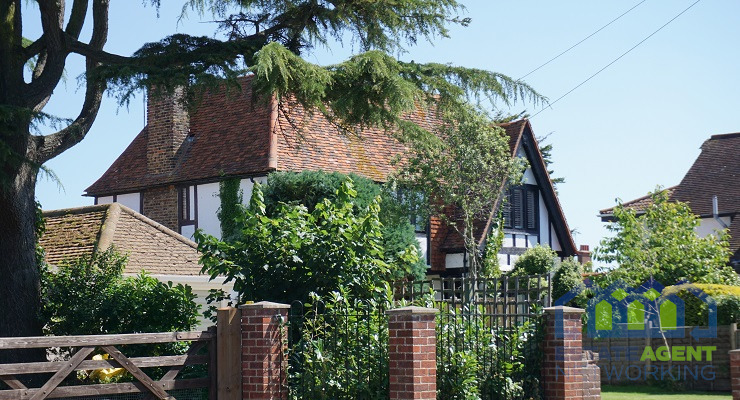
It’s peak growing season all across the UK and the prolonged heatwave has given all sorts of plants — and weeds — renewed vigour, as long as they get the vital water they need to grow. Japanese knotweed is among the hardiest of (unwanted) plants and has been springing up and spreading its menacing roots across estate agents’ properties since spring belatedly sprung this year.
Simply ignoring the problem is not a solution. There are real risks with Japanese knotweed, both to the property and for the owner. These include the weed’s potential for causing structural damage as it grows through cracks in walls, as well as other issues, and potential legal problems if it spreads onto neighbouring properties. It can also make a house impossible to sell, as buyers are unlikely to get a mortgage due to the presence of the weed on the property.
Dealing with Japanese knotweed when it springs up during a tenancy may not be an estate agent’s responsibility, however. It will depend on the tenancy agreement and some tenants have been shocked to discover that not only is Japanese knotweed growing in their garden — and rapidly at that — but that it’s up to them to get rid of it. Trying to do it on your own, though, is an almost impossible task.
Identifying a Japanese Knotweed Problem
Trying to figure out if you have Japanese knotweed growing somewhere on your property can be a perplexing problem and it turns out that not many people even know what it looks like. A new survey by Japanese knotweed removal firm Environet found that only 19% of those questioned could properly identify this scourge of a weed. The survey asked respondents to pick Japanese knotweed from five photographs of different plants — 81% were unable to.
“Most people have heard of Japanese knotweed, but the fact that only 19% of people in the UK can identify it from other common plants, such as bindweed and ivy, is very concerning,” said Environet managing director Nic Seal. “It’s not just about protecting one’s property from damage and decreased value; it is also about protecting oneself from the risk of being sued if the knotweed is allowed to spread.”
The clue as to whether or not you have Japanese knotweed on your property is in how it starts growing — shoots will appear and they will be reddish in colour, somewhat resembling those of bamboo. When leaves appear, they will be heart-shaped and the plant will grow incredibly quickly — up to 20cm in a day — quickly overwhelming everything in the surrounding area. The plant flowers in the late summer and the blooms will be a sort of off-white.
Japanese Knotweed Removal
For estate agents managing properties and with others up for sale, it’s almost always a futile task to try and eradicate Japanese knotweed from an infected site. The large and deep root system will ensure that, even if everything above ground is cut down, it will soon send up new shoots to take its place and the problem starts all over again.
So if you’re searching for the most effective Japanese knotweed removal solutions, there’s really only one thing you need to know: you have to enlist a professional Japanese knotweed removal firm. The investment in such services is vastly offset by the potential for damage to a building, as well as a drastic lowering of its value.
It’s likely you will need an insurance-backed guarantee of the removal of Japanese knotweed, for sale or mortgage purposes, and a good Japanese knotweed removal firm will typically be able to provide one for five years, often extendable up to 10. That’s your knotty Japanese knotweed problem killed off.

You May Also Enjoy
Landlords shouldn’t wait until the deadline to tackle EPC improvements

Christmas rental voids jumps by almost 40%

UK property transactions forecast to fall 4.4% in 2026

London renters paying £1,000 more a year in rent

UK Inflation Hits 3.6%: What Rising Prices Mean for House Prices