Landlords now risk fines of up to £30,000 or Prosecution!
With just one week to go until a new licensing scheme comes into force to improve private rented property in Nottingham, landlords are being urged not to delay and apply for a licence now.
The City Council scheme, known as Selective Licensing, starts on 1 August and covers an estimated 32,000 privately rented homes across most areas of the city.
It aims to give private tenants better quality accommodation and greater protection from bad landlords. Tenants will also know what is expected of their landlord in terms of the maintenance, safety and management of their home. It will be introduced into areas of the city where the council has gathered evidence of poorer property conditions.
A 2016 report[1] by the Building Research Establishment Group estimated that 21% of Nottingham’s private rented properties are likely to have ‘Category 1 hazards’. Examples of this type of hazard could include exposed wiring, a dangerous boiler, cold bedrooms, a leaking roof, mould on walls or ceilings and vermin infestation. Selective Licensing will help ensure these issues are addressed, as landlords of private rented properties in certain parts of the city must now meet a set of conditions and ensure good management of their properties.
Councillor Jane Urquhart, the City Council’s Portfolio Holder for Planning, Housing & Heritage, said: “People in Nottingham have a right to expect a decent and safe standard of private rented accommodation, which is well managed and maintained.
“Having a licence will allow landlords to demonstrate that they provide decent quality accommodation for tenants, and we will work with landlords to support them to achieve the licence conditions. We believe the scheme will improve the reputation of private landlords, as well as Nottingham’s reputation for providing quality housing.
“The scheme is a major step forward in improving living standards for many Nottingham residents.”
Councillor Urquhart added: “The cost of licensing will be reduced for landlords who have Nottingham Standard Accreditation via DASH or Unipol, or have applied for it before the licensing scheme starts.
“Anyone who receives rent on a private property in Nottingham should check now if they need a licence – it is a legal requirement to apply if you are in the designation area.”
Over the five years of the scheme, licences will cost £480 for landlords with Nottingham Standard accreditation, and £780 for those without. Income from the licence fees goes towards the cost of setting up, operating and delivering the scheme. The City Council is not permitted to make a profit from the scheme.
If landlords do not apply for a licence, they risk fines of up to £30,000 or prosecution through the courts. Failure to comply also means that tenants can apply to a tribunal to claim their rent back for up to 12 months.
Landlords can find if their property is covered by Selective Licensing at geoserver.nottinghamcity.gov.uk/myproperty/. To apply and find full details of the scheme visit www.nottinghamcity.gov.uk/qualityhousingforall.
[1] The full report can be downloaded here: http://www.nottinghaminsight.org.uk/f/183870
Share by: Nottingham City Council

You May Also Enjoy

Breaking Property News 27/10/26
35% of UK homes are in postcode areas where house prices are falling

Budget wishlist

Autumn Budget 2026: Property industry experts comment
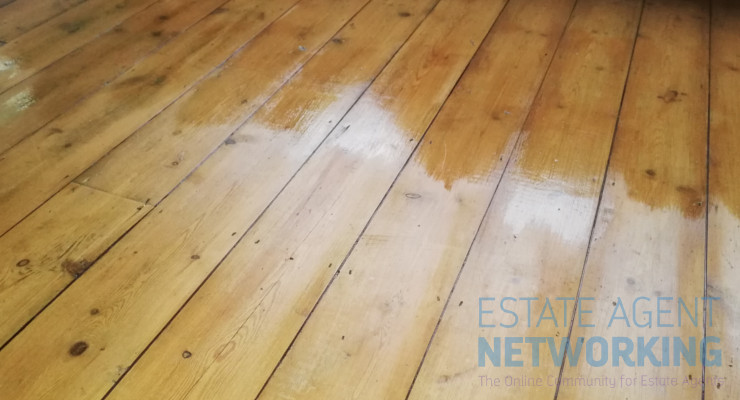
5 Renovations That Can Transform a Property Before It Goes on the Market