Initial Tips to Save for Purchasing Your First House
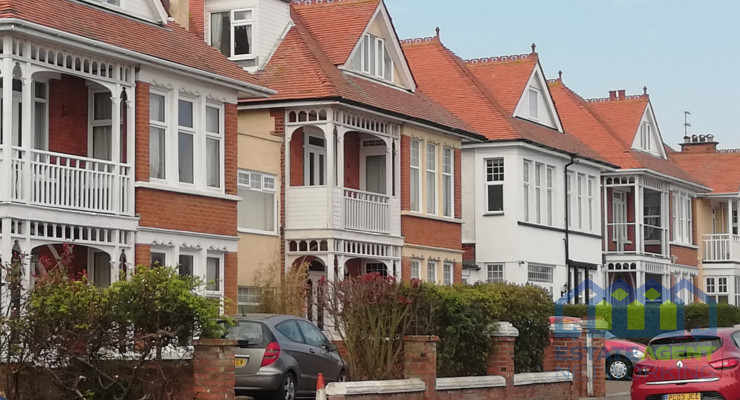
When one is planning to buy a house, the first step is to formulate a clear plan that enables them to save up for the deposit. The person looking to buy a property of home for the first time should have enough funds to pay for the deposit, be it through one’s savings or through a personal loan, which can be from 5% to 20% of the total cost of the house.
The deposit and mortgage not just depend upon the property that one is aiming to buy but also upon the income of the person. Besides saving for the deposit, one must also decide upon the mortgage that they will have to pay monthly. There are other expenses added that one needs to take into consideration while buying a home. These are listed below:
• Solicitor’s fee
• Building insurance
• Valuation fee
• Furnishing costs
• Stamp Duty (People buying properties that cost up to £500,000 before March 1, 2021, will be exempted from stamp duty).
Things to keep in mind while buying a house:
One should give themselves enough time so that one can save up funds that will cover the immediate costs of buying a house. While planning the purchase, keep the following points in mind.
• Consider all the options: Weigh all the resources through which one can receive monetary help, such as family, friends, shared equity schemes, and shared ownerships are some possible options. Choose the one that can ease the daunting task of saving up for the deposit.
• Calculate the exact figure of the deposit: Once the goal is clear, one can divide it up through the years. A well-planned and thought out division of savings can increase the chances of the plan being successful.
• Execute the plan: List the banks where it will be more beneficial to save the money and begin creating the funds for the deposit.
Choosing the best mortgage loan:
Now that the savings plan is out of the way, the next step towards buying a house is deciding which mortgage loan is the most beneficial. Before getting a mortgage loan, one must ensure that they fulfil the following criteria:
• Age: Different banks have different age limit criteria. However, most banks are reluctant to offer mortgage plans to the elderly. In such cases, they may ask for a bigger initial deposit.
• Income: One needs to show proofs of income to get a mortgage plan sanctioned. Furthermore, banks and lenders are confident when offering the mortgage to people with a steady income and secured job.
• Credit Score: Credit score depends upon the age of the applicant, their income, habits, and health. Lower credit score may cause lenders and banks to refuse or ask for a large amount for the loan deposit.
Kinds of mortgage plans:
Mainly, there are two kinds of mortgage programs available in most banks. One is with fixed-rate and the other with a variable. However, there are some specialised plans offered to match the needs of people as well. All the types are described below so that one can make a well-educated decision.
• Fixed-Rate Mortgage
Fixed-rate mortgages are the most popular choice for home-buyers in the UK. Under this plan, the lender offers a fixed rate of interest for a fixed period. For example, if the length of a mortgage is 25 years, then a fixed rate will be applicable for around 2 to 5 years.
• Variable-Rate Mortgage
These mortgage plans have a fluctuating interest rate throughout the period. The interest rate depends upon the market value and the value set by the bank. It can prove to be risky if, during the period of the mortgage, there can be a surge in the value, considerably increasing the rate of interest.
• Discount Mortgage
A discount mortgage is a type of standard variable rate mortgage offered by some banks. Different banks and lenders can offer different discounted rates. One will need to compare all the mortgages plans offered and decide the one with the best rate of interest.
• Tracker Mortgages
In tracker mortgages, the rate of interest is referred from an external source. The tracking assures that the rate of interest does not change over the years. The external source is usually taken to be the Bank of England.
• Capped Rate Mortgages
In capped rate mortgages, the rate of interest cannot be raised above a certain value in the standard variable rate. Though, the capped rate mortgage has a higher standard rate than normal variable-rate mortgages.
• Offset Mortgages
Offset mortgages are a special kind of variable mortgage in which the rate of interest applicable is directly proportional to the savings. The greater the balance in a savings account, the lesser the rate will be. These mortgage plans make it possible for lower monthly payments.
Mortgage rates applicable for home-buyers:
In recent years, the market of the property has slowed down due to various factors. Brexit and COVID-19 being largely responsible for the slowing of business. The average rate of interest on a house has increased by 0.1% since 2019.
The rate of interest offered as per the period of the mortgage loan is listed below.
• Two years fixed rate – 1.68%
• Three years fixed rate – 2%
• Five years fixed rate – 2.04%
• Ten years fixed rate – 2.58%
The larger the amount of the loan deposit, the lower the rate of interest will be. One can find the lowest rates if they deposit around 40% of the market value of the property.
One needs to make sure that they consider all possible options offered by different banks and lenders before buying a mortgage plan. The terms and conditions offered should align with the needs of the home-buyer and their current financial condition.
You May Also Enjoy

Residential projects remain under pressure

Homebuyers hold tight ahead of Autumn Budget

House price growth accelerates in Q2

House prices hold steady despite impact of higher interest rates

Breaking Property News 5/10/26