The Latest Trends Affecting Property Values in the Market
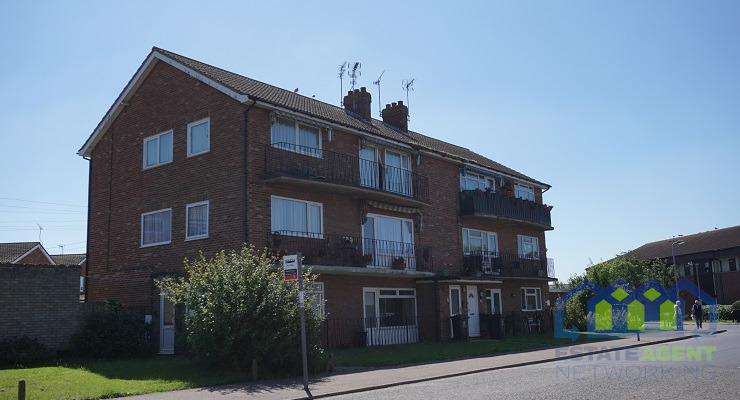
In recent years, the real estate market has been strengthening, notably during the COVID-19 epidemic. Home prices quickly rising in a slow economy leads to a downfall in mortgage interest rates. Finally, it has turned housing into one of the few shining moments in an otherwise bleak situation.
The property industry, however, is constantly changing, and commercial property trends come and go. When you consider how localized this business is, with varied conditions in each city, county, and metro region, you can’t expect things to stay the same for long. Luckily, knowing the market’s basics may help you keep on top of all these shifts.
Prices of Local Real Estate
Housing costs are affected by variables, such as local buyer demand and affordable housing units available for sale. In general, rising property prices are caused by strong demand and insufficient supply.
Mortgage rates, which influence demand, can also play a significant role. When borrowing rates are low, people are more interested in buying houses. Demand may dwindle as interest rates increase.
Housing prices have been growing at a nationwide level for some time. The median house price was slightly under $295,300 by the end of 2020. The average price of a home has increased by 11% in the last year.
Cost of Housing
Housing costs don’t just determine affordability. The income levels, unemployment, and borrowing costs also play a vital role. If interest rates are extremely low or wages are rising, homeowners may purchase a larger home than they formerly could.
Fortunately, it is precisely the situation we are witnessing now. By the end of 2020, consumer house-buying power had increased by 21% when rates, income trends, and inflation were taken into account.
Rates of Interest
Mortgage interest rates significantly influence demand, property prices, and affordability in the housing market. They also change daily due to various factors such as Federal Reserve policies, the bond market, investor confidence in home-loan securities, and, obviously, inflation.
Availability of Housing
Another key component in the property market is residential inventory or the number of homes presently available to buy. A seller’s market occurs when supply is low, and the price is high. Home prices soar, bidding wars develop, and sellers gain negotiating leverage.
Buyers, on the other side, seem to have the upper hand when supply is high. There are more accessible listings than there are customers to acquire them in a tight market. As a result, the price increase is slowed, and the market becomes less efficient overall.
In terms of current inventories, supply has been extremely low in recent years, and the coronavirus epidemic has only made matters worse. With sellers wary of allowing strangers inside their houses, and a lot of economic uncertainty, the number of for-sale postings dropped dramatically in 2020, hitting its lowest point ever. This results in home prices quickly rising in a slow economy.
Listings have improved marginally since then, although they are still at a low level. Broad immunizations may relieve supply limitations and encourage vendors to return to the marketplace, but only time can tell.

You May Also Enjoy

Rightmove Sends the Enquiry. The Branch That Rings First Books the Viewing

Residential projects remain under pressure

Homebuyers hold tight ahead of Autumn Budget

House price growth accelerates in Q2

House prices hold steady despite impact of higher interest rates